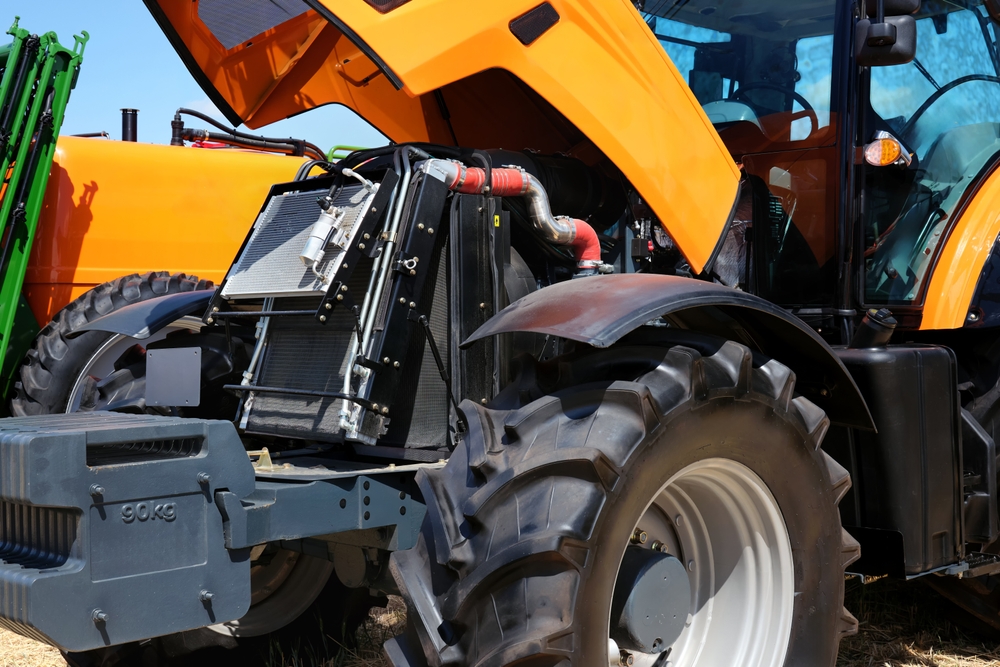
Preparing agricultural equipment during the off-season is one of the most critical yet often overlooked aspects of a successful farming operation. In Lexington, OR and across Morrow County, winter offers a strategic pause that savvy farmers use to perform essential maintenance and ensure that their equipment is field-ready when the season turns. Whether you’re dealing with a fleet of tractors or a single combine, now is the time to tackle those heavy equipment repair tasks that can sideline operations if ignored. From tractor engine overhauls to hydraulic system inspections and complete combine harvester winterization, a proactive approach now will save you time, money, and stress in 2026.
The Importance of Off-Season Maintenance in Morrow County
Agricultural machinery maintenance is a cornerstone of reliable performance and operational efficiency. In a region like Morrow County, where farming is not only a tradition but an economic backbone, keeping tractors and combines in peak condition is essential. The off-season is ideal for a comprehensive inspection and overhaul process because it allows enough downtime to address both visible wear and hidden issues without the pressure of upcoming fieldwork.
Farmers in Lexington, OR understand that skipping or postponing repairs can lead to significant breakdowns during harvest or planting, when timing is everything. The cost of emergency repairs, equipment rentals, or lost crop yields can quickly outweigh the price of preventative work. Using the winter months to carry out thorough inspections, schedule heavy equipment repair, and replace aging parts ensures that your agricultural operations start strong in the new year.
Tractor Engine Overhauls: Breathing New Life into Vital Equipment
The engine is the heart of any tractor, and ensuring it runs efficiently is key to avoiding downtime during peak seasons. A tractor engine overhaul during the off-season can extend the life of your machine and boost performance, even in older models. Overhauling the engine involves more than just replacing a few worn-out parts. It often includes disassembly, inspection of all internal components, cleaning, reconditioning or replacing pistons, bearings, cylinder heads, and rings, as well as recalibrating timing and fuel systems.
In Lexington, OR, where the agricultural landscape demands power and reliability, a tractor engine overhaul is not just a repair task; it’s an investment in productivity. Farmers who tackle engine issues in winter eliminate the risk of overheating, power loss, and inefficient fuel use during the growing season. Moreover, working with experienced professionals in heavy equipment repair ensures that OEM specifications are met and your machinery is restored to optimal condition.
Off-season engine overhauls also offer an opportunity to integrate newer technology, such as emission-compliant parts or fuel-efficient upgrades. With emissions regulations and fuel costs becoming increasingly important, modernizing your tractor’s engine can provide long-term economic and environmental benefits.
Hydraulic System Inspection: Prevent Failures Before They Start
Hydraulic systems play a crucial role in tractors and combines, controlling everything from lifting mechanisms to steering and braking. During the hustle of planting or harvest, a small hydraulic leak can evolve into a catastrophic failure. Off-season inspection of these systems is a vital component of any agricultural machinery maintenance program.
In Morrow County, where climate shifts and heavy workloads place immense pressure on machinery, inspecting hoses, cylinders, pumps, valves, and reservoirs should be a top priority. A hydraulic system inspection should begin with checking fluid levels and assessing fluid quality, looking for signs of contamination or degradation. From there, attention should shift to seals and connectors, which often suffer wear from vibration, pressure surges, or exposure to heat and cold.
Hydraulic components should be cleaned and tested under load to verify operational pressure and identify any slow leaks or declining performance. Replacing worn parts now avoids unexpected shutdowns later. For farmers who work with complex attachments or precision tools that rely on hydraulic power, maintaining this system in the off-season can be the difference between seamless functionality and a season filled with costly delays.
Combine Harvester Winterization: Protecting Your Harvest Investment
Winterization of combine harvesters is an extensive but essential process. These machines represent a significant investment, and without proper care during the off-season, they can deteriorate rapidly. Farmers in Lexington, OR who prioritize winterization are taking the necessary steps to protect their equipment from corrosion, moisture damage, and component fatigue.
Combine harvester winterization begins with a thorough cleaning. Residue from corn, wheat, or other crops can attract rodents and hold moisture that promotes rust. Removing this debris from headers, sieves, augers, and grain tanks is the first line of defense. Once clean, the machine should be inspected for worn belts, chains, and bearings. These parts should be lubricated or replaced as necessary.
Fluids should be drained or treated to prevent freezing, and batteries must be disconnected or stored in a controlled environment. Electronics, sensors, and software should also be checked and updated. In Morrow County, where winter temperatures can fluctuate and cause condensation, properly sealing and storing your combine can dramatically reduce repair needs in the spring.
Special attention should also be given to tire pressure and alignment. Cold weather can alter tire integrity, and a pre-storage adjustment can prevent uneven wear and damage. By treating your combine to a full winterization routine, you extend its lifespan and ensure it is ready to deliver peak performance when it matters most.
Partnering with Local Experts in Lexington, OR
While many farmers are experienced mechanics, some tasks are best left to professionals with specialized tools, diagnostic equipment, and manufacturer training. In Lexington and surrounding areas of Morrow County, local heavy equipment repair services are available to support off-season overhauls. Building a relationship with a trusted technician or service provider can save you time and money, especially when dealing with intricate systems like advanced engines or electronic diagnostics.
Local shops often stock OEM parts and offer scheduled maintenance plans that take the guesswork out of managing your fleet. They may also provide service documentation that helps with resale value or warranty claims. With the farming season demanding all your attention come spring, outsourcing complex repairs or inspections during winter ensures you stay ahead of problems.
Furthermore, local service providers understand the unique environmental conditions in Morrow County. They can recommend maintenance practices tailored to soil conditions, crop choices, and workload intensity, giving you a strategic advantage in preparing your machines for the rigors of the upcoming season.
Conclusion
Off-season overhauls are not just about fixing what’s broken; they’re about preparing your farm’s backbone for another year of productivity. Whether it’s a comprehensive tractor engine overhaul, a detailed hydraulic system inspection, or meticulous combine harvester winterization, every action taken during the quiet months lays the groundwork for a smooth and efficient 2026.
Farmers in Lexington, OR and across Morrow County know that agricultural success is built on planning, precision, and preparation. Don’t let next season’s challenges catch you off guard. Take the time now to service, inspect, and upgrade your equipment. Partner with local experts, invest in preventive maintenance, and give your machines the care they need to power through the coming year. Your fields, your finances, and your future harvests will thank you.
Winter in Eastern Oregon brings more than just picturesque snow-covered landscapes. It presents serious challenges to those operating heavy equipment and commercial trucks in the region. Temperatures regularly dip below freezing, creating the perfect environment for one of the most common and dangerous winter hazards in the trucking industry: frozen air brake systems. Whether you’re running logging trucks in the Blue Mountains or managing fleets in Lexington, OR, frozen air lines or a malfunctioning compressor can cost time, money, and potentially lives.
Air brake systems rely heavily on clean, dry, and pressurized air to function correctly. When moisture contaminates the air system and freezes, it can block air lines, damage valves, and compromise the performance of the air compressor. This leads to brake failure or the inability to release parking brakes, both of which can be catastrophic. Maintaining a truck’s air system is not just smart preventive care, it’s critical for Department of Transportation (DOT) compliance and the safety of everyone on the road. That’s why understanding the basics of air dryer maintenance and how to prevent air brake freeze-up is crucial for operators across Eastern Oregon.
Why Moisture is the Enemy in Cold Weather
In winter, air naturally contains less moisture than in the warmer months, but any residual condensation in air tanks or lines can easily freeze once temperatures drop. The freeze-thaw cycle also compounds the issue. As trucks heat up during operation and then cool down at night, moisture can accumulate and refreeze inside the lines, increasing the risk of blockage or component damage. This is why many heavy-duty operators in Lexington, OR prioritize seasonal air dryer maintenance and regular inspections of their air brake systems.
Air dryers are the first line of defense against frozen brake lines. They remove moisture and contaminants from the compressed air before it enters the system. However, like any mechanical component, air dryers have a limited lifespan and require periodic maintenance to function effectively. Ignoring routine servicing can cause the desiccant material inside to become saturated, rendering it useless. Over time, this leads to moisture accumulation in air tanks and lines, creating a ticking time bomb during winter conditions.
Frozen valves and lines are not just inconvenient; they can cause a complete failure of the air brake system. A blocked air line can lead to loss of control or an inability to stop the vehicle. This is why technicians specializing in heavy equipment air brake repair frequently stress the importance of cold weather checks and routine winter preparations.
Preventative Measures to Protect Air Brake Systems
The good news is that frozen air brake systems can be prevented with the right approach. Winter trucking in Eastern Oregon demands a disciplined maintenance routine focused on early detection and prevention. Regular draining of air tanks, especially in colder months, is one of the simplest and most effective habits drivers can adopt. Draining tanks removes accumulated moisture before it has a chance to freeze.
Proper air dryer maintenance is also essential. Before winter sets in, have a technician inspect the air dryer for performance. If it’s near the end of its service life, replacement may be a more economical option than risking a breakdown during a snowstorm. Many shops in Lexington, OR offer seasonal inspections that include testing the air dryer and checking for moisture in the tanks. Some even offer moisture-indicator cartridges that change color when saturated, helping operators know exactly when service is needed.
Another key factor is the condition of the air compressor itself. A worn or inefficient air compressor can introduce oil and contaminants into the system, which degrade the performance of the air dryer. Scheduling timely air compressor repair during routine service checks ensures that your system stays clean, dry, and fully functional. Additionally, using alcohol evaporators or air line antifreeze can provide a short-term solution in extreme cold, but these should never replace long-term preventative maintenance strategies.
Meeting DOT Compliance Standards in Harsh Conditions
DOT compliance isn’t optional, and air brake system performance is a major component of routine inspections, especially in winter. The Department of Transportation mandates that all air brake systems meet strict safety and performance criteria. For operators in Eastern Oregon, this means winterizing vehicles is not just a recommendation; it’s a regulatory necessity.
Inspectors often focus on signs of moisture contamination, inadequate pressure build-up, and defective air dryers or compressors. Failing any part of this inspection can result in immediate out-of-service violations, fines, or delays. Trucks that cannot meet air system pressure requirements or demonstrate reliable brake function are not allowed to continue operation. This is why winterizing your fleet with preventive measures like compressor inspections, replacing worn-out valves, and ensuring moisture-free lines is essential for maintaining legal and operational readiness.
Furthermore, vehicles found non-compliant due to frozen or malfunctioning air brake systems can affect insurance premiums and safety ratings. For businesses that rely on transportation during the winter months, these issues directly impact profitability and operational capacity. Taking the time to winter-proof trucks ensures not only compliance but uninterrupted service throughout the season.
The Role of Local Expertise in Cold Weather Air System Care
Operators in Lexington, OR are in a unique position. The region’s tough winters and mountainous terrain demand a higher standard of care for heavy-duty vehicle systems. Fortunately, many local service providers specialize in heavy equipment air brake repair and offer winter-specific inspections. These professionals understand the regional challenges and tailor their service offerings to meet the specific needs of cold-weather fleets.
Partnering with a local expert who understands the impact of Oregon winters means gaining access to technicians who know the common failure points. They offer services like air dryer performance testing, compressor diagnostics, line inspections, and even heater system installations to keep components above freezing temperatures. These targeted solutions are critical to preventing unexpected breakdowns on icy roads or remote logging paths.
Choosing a repair facility that specializes in air brake systems is not just about fixing what’s broken. It’s about implementing a proactive plan to reduce the risk of downtime, accidents, and DOT violations. With the right guidance, operators can develop a comprehensive winter maintenance schedule that includes tank draining, dryer cartridge replacements, compressor repair, and system-wide inspections. This professional support becomes invaluable when the mercury drops and every mile presents a new risk.
Conclusion
Eastern Oregon’s winters are as beautiful as they are unforgiving. For heavy-duty truck operators, they bring a distinct set of mechanical challenges, particularly when it comes to air brake systems. Freezing temperatures, moisture-laden air, and neglected equipment can easily combine to produce dangerous, costly failures.
Staying ahead of these challenges requires a well-rounded approach: regular air dryer maintenance, prompt air compressor repair, system inspections, and tank draining. These actions help prevent air brake freeze-up and keep your fleet DOT compliant and road-ready, even in the toughest conditions. In Lexington, OR and across the state, winter trucking doesn’t have to be a gamble. With the right preparation and expert support, you can keep your equipment moving safely, no matter how cold it gets.
Oregon winters, especially in the rugged terrain of eastern Oregon, pose a unique set of challenges for heavy equipment operators. With temperatures often dipping below freezing and the ground turning into a mix of ice and sticky mud, machinery like excavators and dozers can take a serious beating. The undercarriage, particularly the idlers and tracks, is especially vulnerable during this season. Left unchecked, the conditions can lead to costly excavator track repair, idler bearing repair, or worse, complete equipment failure.
Preventative maintenance isn’t just a good idea in winter; it’s a necessity. The cold, wet conditions contribute significantly to wear and tear on the undercarriage, a key component of any tracked heavy equipment. Operators and maintenance crews in Lexington, OR and across the state must take specific steps during winter to keep machines operational, reduce downtime, and extend equipment lifespan. This blog delves into the nuances of heavy equipment undercarriage maintenance during the cold months, offering insights and actionable tips for preventing track freeze-up, damage, and excessive wear.
The Effects of Mud and Ice on Undercarriage Components
When it comes to undercarriage wear, Oregon’s winter climate is particularly harsh. Mud acts like a thick abrasive paste, lodging between components and accelerating the breakdown of parts due to constant grinding and increased friction. Ice, on the other hand, brings a different danger. As moisture seeps into components and temperatures drop, water can freeze around idlers, rollers, and sprockets. This can immobilize these parts or cause them to crack under pressure.
In the case of idlers, freezing can lead to damaged seals, resulting in moisture ingress and eventual bearing failure. Once idler bearing repair is needed, the machine risks expensive downtime and limited productivity. Similarly, frozen or compacted mud within the track system can prevent smooth movement, increasing tension and pressure on track links and sprockets. Over time, this leads to misalignment, premature wear, and the eventual need for sprocket and track maintenance or replacement.
Operators in Lexington, OR, and other parts of eastern Oregon are familiar with the tell-tale signs of winter wear: squealing tracks, stiff movement, and unexplained vibrations. These are all indicators that ice and mud are compromising the integrity of your machine’s undercarriage and need immediate attention.
Preventing Track Freeze-Up Before It Happens
One of the most damaging winter issues for tracked heavy equipment is track freeze-up. This occurs when mud or water becomes trapped in the undercarriage and freezes overnight, solidifying and locking the tracks in place. The resulting force required to move the equipment can cause cracks, breaks, or even catastrophic failure to track links or rollers.
To combat this, one of the most effective strategies is end-of-day cleanup. Operators should make it a habit to run the machine slowly at the end of a shift to loosen and shed mud. High-pressure washing can also help, but it must be done in a way that doesn’t force water into sealed components. If washing is performed, the equipment should be moved to a dry, covered location or kept running long enough afterward to evaporate residual moisture.
Another important measure is the use of anti-freeze sprays or grease-based protectants on vulnerable areas. These coatings can help repel water and prevent it from freezing in critical joints. In extremely cold regions of eastern Oregon, some operators even resort to parking equipment on wooden planks or mats to avoid ground freezing directly to the tracks.
Preventing track freeze-up isn’t just about operational convenience. It plays a significant role in reducing wear and tear, extending the life of track components, and ensuring that excavator track repair is a rare occurrence rather than a seasonal norm.
Best Practices for Sprocket and Track Maintenance in Cold Weather
Track and sprocket maintenance during winter requires a more hands-on approach than in milder months. Regular inspections are the first line of defense. This includes checking for frozen buildup around sprockets, rollers, and idlers. Any ice or compacted material should be removed manually before startup to prevent stress fractures or uneven wear.
Lubrication plays an essential role in cold weather care. Standard lubricants may thicken in freezing temperatures, reducing their effectiveness. Switching to winter-grade greases or synthetic oils ensures that moving parts remain protected and mobile. Sprockets especially benefit from winter-specific lubricants, as they bear the brunt of load transfer and motion within the track system.
Tension adjustments also become more critical. Cold metal contracts, and over-tight tracks can increase stress on the entire undercarriage system. Operators should check and adjust track tension regularly, keeping in mind that what’s ideal in summer may be excessive in winter. In the varied elevation and climate zones of eastern Oregon, track tension may even need to be adjusted daily based on how the terrain changes with temperature.
Sprocket wear should also be monitored closely. Uneven wear or sharp-pointed sprocket teeth indicate poor alignment or excess tension, both of which can accelerate the need for excavator track repair. In cold, muddy conditions, this kind of wear happens faster, making proactive maintenance even more essential.
Protecting Idlers and Bearings from Cold Weather Failure
Idlers are often the most overlooked component in undercarriage systems, yet they play a pivotal role in maintaining track alignment and smooth operation. In winter, idlers face two major threats: freezing and contamination.
When water or slurry enters the idler cavity and freezes, it can push against seals and damage them. This allows dirt, mud, and additional moisture to penetrate, ultimately leading to bearing corrosion and failure. Once this happens, the need for idler bearing repair becomes urgent and expensive.
To avoid this, inspections should focus on the seals around the idlers. Any visible signs of leaking or damaged seals should be addressed immediately. Winter-grade sealants or upgrades to cold-weather-resistant seals may provide added protection. Additionally, when cleaning tracks, operators should avoid directing high-pressure water jets directly at bearing areas to prevent forcing water inside.
Greasing protocols should also be adjusted for winter. Frequent but moderate greasing helps maintain internal pressure and expel any moisture that might have entered. For equipment operating in the cold regions around Lexington, OR, it’s worth considering a scheduled service cycle with local professionals who specialize in cold-weather heavy equipment undercarriage maintenance.
Heavy Equipment Undercarriage Maintenance for Long-Term Winter Reliability
A comprehensive winter maintenance strategy goes beyond daily inspections and quick fixes. It involves planning and integrating seasonal practices into your overall equipment care routine. For businesses operating year-round in Oregon, this means scheduling regular undercarriage evaluations, investing in weather-appropriate parts and lubricants, and training operators in winter-specific protocols.
One of the most cost-effective practices is end-of-season servicing. Once the ground begins to thaw, machines should undergo a full inspection. This includes checking track alignment, measuring wear on sprockets, inspecting idlers and rollers for damage, and servicing or replacing components before they lead to larger issues. By proactively addressing these wear points, operators reduce the likelihood of emergency excavator track repair during peak seasons.
Additionally, working with local service providers in eastern Oregon ensures quicker access to parts and expertise suited to the region’s climate. Technicians familiar with local conditions can offer invaluable insight on preventing track freeze-up and ensuring that equipment performs at peak efficiency regardless of the weather.
Equipment storage is another often-neglected aspect. If machines are idle for extended periods, parking on elevated surfaces or using heated shelters can dramatically reduce exposure to moisture and cold. Covering tracks and undercarriage components adds another layer of defense against the harsh winter environment.
Conclusion
Winter in Oregon, particularly in the east and areas like Lexington, OR, creates challenging conditions for heavy equipment. With a mix of freezing temperatures and muddy terrain, the risk of undercarriage damage is significantly higher. Preventing track freeze-up, ensuring proper lubrication, adjusting track tension, and prioritizing idler bearing repair when needed are all critical elements of a sound winter maintenance strategy.
Investing in preventative care pays dividends in reduced downtime, extended equipment life, and lower repair costs. By understanding the unique demands of cold weather and adopting a seasonally tailored maintenance approach, operators can keep their machines running reliably throughout the winter and well into the seasons beyond.
Staying proactive with heavy equipment undercarriage maintenance isn’t just smart; it’s essential for survival in Oregon’s unforgiving winter environment.
As temperatures drop and winter approaches, ensuring your heavy equipment is prepared for cold weather becomes a priority. One of the most overlooked yet critical components of this preparation is your cab’s heating and defrosting systems. Operators depend on functioning heaters and defrosters to maintain visibility and comfort, both of which are directly tied to their safety and productivity. Before winter storms roll in and work comes to a halt due to equipment failure, it is time to schedule essential services like heavy equipment cab heater repair and equipment defroster repair service.
This is especially important in places like Oregon, where winter weather can be unpredictable and harsh. Proactive maintenance not only protects your machinery but also safeguards your operators. When workers are shielded from the elements and have clear visibility, job site efficiency remains high and risks stay low. Proper seasonal inspection and servicing of cab climate systems help prevent costly repairs and downtime when you can least afford it.
The Importance of Operator Comfort in Harsh Conditions
While machine performance is often at the forefront of winter prep discussions, operator comfort should not be underestimated. Working in cold, wet, or icy conditions is already physically demanding. Without a functioning cab heater, an operator’s ability to focus and stay productive diminishes rapidly. Worse, exposure to cold temperatures can lead to serious health risks such as hypothermia or frostbite. That is where timely heavy equipment cab heater repair comes into play.
Cold weather can also aggravate mechanical and electrical issues, making already weak systems fail completely under strain. A heating unit that worked marginally last winter may not survive another season without attention. Getting ahead of these problems means fewer breakdowns and safer conditions. In-cab heating is not just a comfort feature; it is a critical component of your team’s safety and your project’s success.
For those in Oregon’s varied terrain, from the snowy mountain passes to the fog-covered valleys, ensuring effective cabin heating is essential. Beyond keeping your crew comfortable, it supports long-term retention by showing that you value their working conditions, especially when weather turns from inconvenient to dangerous.
Why Defrosters Are Vital for Safety and Compliance
Defrosters do far more than just clear a foggy windshield. In many ways, they are your first line of defense for visibility. A compromised view in winter is a serious hazard, particularly when operating large machinery around job sites, other workers, or in low-light conditions. Scheduling an equipment defroster repair service before the first frost can make the difference between smooth operations and costly, dangerous mistakes.
Frozen windshields and mirrors are not just annoying. They are a serious safety risk. Without adequate defrosting, operators may be forced to take shortcuts such as using unsafe tools to chip ice or driving with limited visibility. These risky workarounds can easily lead to accidents, some of which may be severe or fatal. OSHA heavy equipment safety compliance requirements are strict for good reason, and ensuring that defrosters are working properly helps you stay aligned with those regulations.
In addition to visibility, functioning defrosting systems help regulate humidity inside the cab, preventing condensation on critical instrument panels and windows. This regulation is particularly important during long operating shifts where constant temperature fluctuations can wreak havoc on electronic systems and operator vision. Do not wait until an operator reports fogging issues mid-shift. Get your equipment inspected and serviced before those situations arise.
Do Not Neglect the Wiper Motor in Winter Readiness
One of the simplest but most impactful repairs to make during pre-season service is wiper motor replacement. Winter brings heavy precipitation, including snow, sleet, and rain that can severely impair visibility if windshield wipers are not functioning at full strength. A sluggish or completely inoperative wiper motor can render a piece of machinery unsafe to operate.
Wiper motors endure a lot of wear and tear, especially in colder months when ice accumulation and heavy snow increase the load on the system. Many operators report decreased wiper performance at the worst possible time, such as during active snowfall or while dealing with mud-splattered equipment. Replacing a worn motor before winter sets in ensures reliable performance when it is needed most.
Moreover, wiper motor replacement winter servicing should include inspecting the blades and washer system. Together, these components create a clear view in even the worst conditions. For jobs operating in Oregon’s mixed climates, ranging from freezing rain in the west to snow in the Cascades, having reliable wipers and washers is essential. Just like your heaters and defrosters, your wiper system directly supports operator safety and helps maintain OSHA compliance.
The Link Between Pre-Season Maintenance and OSHA Compliance
Staying compliant with OSHA heavy equipment safety compliance requirements is not just about avoiding fines. It is about fostering a culture of safety. When winter conditions begin, the margin for error narrows. Operators need full visibility, reliable temperature control, and functional equipment to do their jobs effectively without putting themselves or others in danger.
Neglecting to service cab heating, defrosting, and wiper systems can lead to violations if an accident occurs and it is discovered that the machine was not properly maintained. OSHA inspectors do not just look at the obvious mechanical systems. They also check for climate control and visibility systems that impact operator safety.
Proactively scheduling heavy equipment cab heater repair and equipment defroster repair service not only reduces the risk of injury but also demonstrates due diligence in maintaining a safe work environment. It tells your crew, clients, and regulators that safety is more than a checkbox. It is a foundational principle of how your business operates.
In Oregon, where winter work can be grueling and hazardous, adherence to safety protocols is especially important. From construction and forestry to mining and public works, equipment must be inspected and maintained to keep operators safe and productivity high. Investing in these repairs before winter hits is a small price to pay for the peace of mind and operational stability it provides.
Prepare Now to Prevent Cold Weather Breakdowns
Winter is no time for breakdowns, visibility issues, or compliance violations. By scheduling pre-season servicing, including heavy equipment cab heater repair, equipment defroster repair service, and wiper motor replacement winter work, you set your team up for success. In regions like Oregon where conditions can turn quickly, early preparation is the smartest strategy.
Operators who are warm and safe are more productive, attentive, and less likely to be involved in costly accidents. Equipment that is properly serviced stands a much better chance of making it through the season without disruptive failures. Most importantly, a proactive maintenance approach helps you stay on the right side of OSHA heavy equipment safety compliance while protecting your most valuable assets, which are your people.
Do not wait for the first cold snap to find out what needs fixing. Contact your service provider today and make sure your machines are ready for whatever winter brings. Because when the snow starts falling and the wind picks up, staying warm and staying safe is not just a luxury. It is a necessity.
As winter approaches in Lexington, OR, the temperatures can dip dramatically, creating a host of problems for farmers and heavy equipment operators. One of the most persistent and costly issues during the colder months is diesel fuel gelling. This phenomenon can lead to hard starts, stalled engines, and even complete diesel engine failure. For those relying on machinery for agriculture or excavation in Umatilla County, the stakes are high. This guide will provide in-depth strategies for diesel fuel gelling prevention, helping you safeguard your equipment through the harsh winter months.
Understanding Diesel Fuel Gelling and Its Risks
Diesel fuel gelling occurs when paraffin wax in diesel solidifies due to low temperatures. This process thickens the fuel and eventually clogs fuel lines and filters, halting engine operation. This is especially problematic in regions like Lexington, OR, where winter temperatures can drop below the threshold at which diesel begins to solidify, typically around 15°F.
When your equipment’s fuel system is compromised, the consequences ripple through your operation. Delays in excavation work or crop management tasks can derail tight schedules, especially when the ground is only workable during limited windows. Fuel gelling can also trigger issues that require heavy equipment hard start repair or complete mobile fuel system repair, resulting in costly service calls and downtime.
In many cases, diesel engine failure can be avoided entirely with the right preventative approach. Winterizing your tractor fuel system and taking steps to ensure your diesel remains fluid is not just recommended; it’s essential.
The Role of Winter Diesel Additive in Gelling Prevention
A primary line of defense against fuel gelling is the use of a winter diesel additive. These additives are formulated to lower the pour point and cold filter plugging point of diesel fuel, ensuring it stays liquid in cold weather. By integrating additives into your fuel routine before the cold sets in, you give your equipment the best chance of running smoothly.
In Lexington and throughout Umatilla County, many local supply centers and fuel distributors offer specialized blends designed for the Oregon winter climate. These blends, often known as winterized diesel or treated diesel, typically include anti-gel compounds as well as cetane boosters to help with combustion efficiency.
To be effective, additives must be used proactively. Waiting until after a cold snap may be too late, as once gelling starts, reversing it requires more invasive methods. Additives are best mixed into the fuel tanks when temperatures are still above freezing. This ensures proper blending and protection before the paraffin begins to solidify.
Winterizing Tractor and Excavation Fuel Systems in Oregon
Winterizing a tractor fuel system or any heavy-duty machinery involves more than just treating the fuel. It requires a thorough approach to ensure all parts of the engine and fuel delivery system are prepared for cold weather.
Start by draining any water from the fuel water separator. Water is heavier than diesel and tends to accumulate at the bottom of tanks or fuel filters. In freezing temperatures, this water can turn into ice, creating blockages that are just as damaging as wax crystals. Most modern equipment includes a water drain valve, and it should be checked regularly in winter.
Next, inspect and replace old fuel filters. Cold weather makes it harder for diesel to pass through even slightly clogged filters. A clean filter ensures better flow and reduces the risk of pressure drops that can cause engine issues. During winterization, many operators in Lexington opt to install filters with higher cold flow tolerance to further guard against gelling.
Fuel tank levels also play a critical role. Keeping tanks full minimizes the air space inside, reducing condensation and water accumulation. Additionally, a fuller tank retains heat longer, slowing down the cooling process and helping delay gelling.
Lastly, storage is key. Whenever possible, keep equipment sheltered or at least out of direct wind exposure. Portable heaters or engine block warmers are worth the investment for machines that need to be operational daily during winter months.
Preventing Diesel Engine Failure Through Routine Maintenance
Preventing diesel engine failure is about foresight and routine care, especially in winter. In places like Lexington, where conditions can change rapidly, equipment operators must stay ahead of the cold. Aside from fuel-related measures, there are several maintenance routines that can help your machines stay functional through winter.
Battery maintenance is one of the most overlooked areas. Cold weather reduces battery efficiency, making it harder for diesel engines to crank. Check battery voltage and replace aging units before winter. Also, inspect glow plugs or intake heaters, which are vital in cold starts. If these components are failing, even high-quality diesel fuel will not start your engine in sub-freezing temperatures.
Oil viscosity should be adjusted for the season. Thinner oils are generally better suited for cold temperatures, allowing easier circulation during start-up. Using the correct winter-grade oil ensures your engine reaches optimal operating temperatures faster, minimizing wear and tear.
In Lexington, mobile fuel system repair services are commonly requested in winter due to neglected routine maintenance. Avoiding such service disruptions is possible through diligent pre-season preparation and regular inspections.
Choosing Local Support for Cold Weather Equipment Readiness
For farmers and contractors in Umatilla County, partnering with local experts who understand the region’s specific winter challenges is one of the smartest moves you can make. Companies specializing in mobile fuel system repair and heavy equipment hard start repair in Oregon are familiar with the unique requirements of cold weather machinery.
These professionals can provide winter diesel additive recommendations tailored to your equipment and fuel sources. They can also perform thorough inspections to ensure your fuel systems are winter-ready. Having a responsive support network in Lexington or surrounding towns means you’re never too far from help if an issue arises.
It’s also beneficial to maintain a relationship with a local fuel supplier that offers winter-grade diesel. They can ensure timely deliveries of treated fuel and may offer on-site testing to verify fuel quality. Staying ahead of the weather with support from experienced technicians and suppliers is part of a long-term diesel fuel gelling prevention strategy.
Conclusion
Winter in Lexington, OR, doesn’t have to spell trouble for your farm or excavation equipment. With the right approach to diesel fuel gelling prevention, you can keep your operations moving regardless of the temperature drop. Utilizing a winter diesel additive, performing routine maintenance, winterizing tractor fuel systems, and working with local mobile fuel system repair services are all key components to preventing diesel engine failure.
By acting early and staying vigilant throughout the season, you reduce the risk of expensive repairs and downtime. Remember, preparation is your most powerful tool in the battle against cold weather. Whether you’re working the fields or breaking ground on a construction site in Umatilla County, safeguarding your diesel-powered equipment ensures that winter becomes just another season—not a setback.
If you’d like help inspecting or preparing your equipment for the winter season in Oregon, don’t hesitate to reach out to trusted local professionals. A little preparation today can prevent big problems tomorrow.