The Importance of Regular Maintenance for Harvesters: Tips for Preventing Costly Repairs
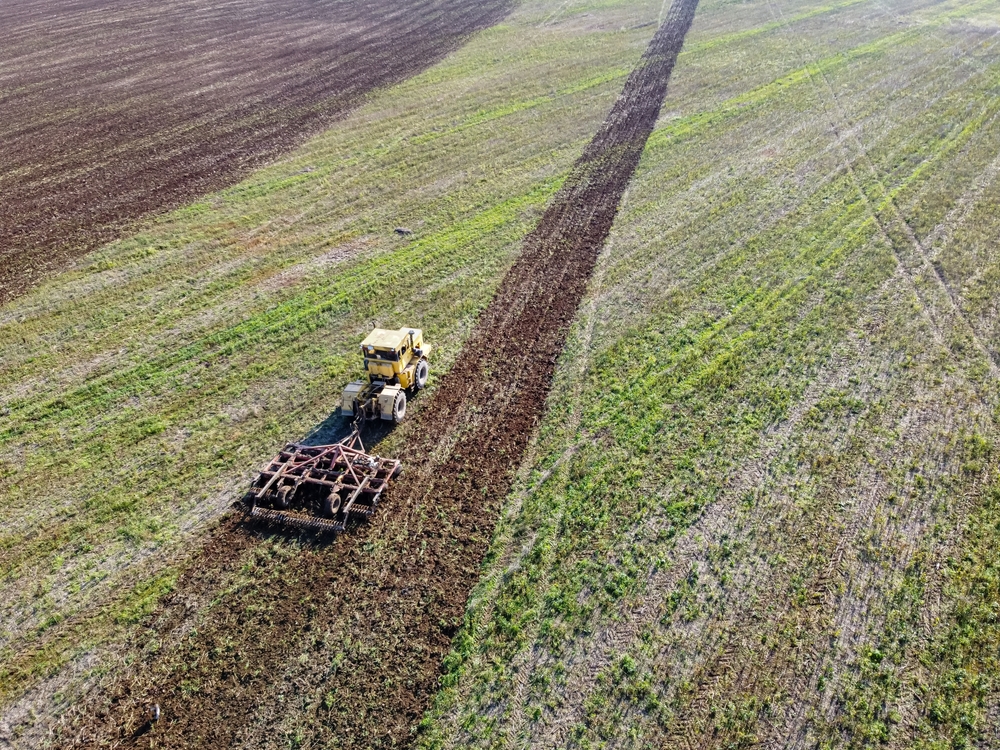
Harvesters work under demanding conditions throughout eastern Oregon, especially during the busy harvest season when downtime can quickly impact productivity. Whether you’re harvesting wheat, barley, or other crops around Lexington, every hour of equipment availability matters. Regular maintenance helps reduce unexpected breakdowns, extends equipment life, and keeps harvesting operations moving when timing is critical.
Quick Answer
Regular harvester maintenance is the most effective way to prevent costly repairs by identifying worn parts, replacing fluids and filters on schedule, and correcting small issues before they become major mechanical failures. Consistent inspections also improve performance, reduce downtime during harvest, and help operators work more efficiently throughout the season.
What Local Farmers Should Know
- Dust, crop residue, and dry field conditions in Morrow County can accelerate wear on moving components and cooling systems.
- Routine inspections before and during harvest help catch problems before they lead to expensive repairs in the field.
- Replacing worn belts, bearings, and hydraulic hoses during planned maintenance is typically less disruptive than emergency repairs.
- Harvest schedules throughout Lexington, Heppner, Ione, and Boardman leave little room for unexpected equipment failures.
- Keeping detailed maintenance records helps plan future service and identify recurring issues.
Why This Matters Locally
Regular maintenance is especially important for equipment operating around Lexington because harvest windows are often short and weather conditions can change quickly. Dry summers, dusty fields, and long operating hours place continuous stress on engines, hydraulic systems, bearings, belts, and cutting components.
For producers throughout Morrow County and neighboring communities like Echo, Hermiston, and Pendleton, equipment reliability directly affects productivity. Delaying maintenance can mean waiting for replacement parts or repairs while valuable harvesting time is lost.
At Bailey Heavy Equipment Repair Inc, we understand the challenges local agricultural operations face. We focus on helping customers keep their harvesters dependable through professional inspections, repairs, and preventative maintenance that fit the demands of eastern Oregon agriculture.
Local Field Observations
Based on our experience servicing heavy agricultural equipment in the region, the most common maintenance concerns involve excessive dust buildup, worn hydraulic hoses, plugged cooling systems, damaged bearings, and cutting components that experience continuous wear during harvest.
These issues often begin as minor problems but become significantly more expensive if they go unnoticed until equipment fails in the field.
Local Impact
Unexpected harvester failures can affect more than repair costs. Equipment downtime may delay harvest schedules, increase labor expenses, reduce fuel efficiency, and expose crops to changing weather conditions.
Because many farms throughout the Columbia Plateau operate within narrow harvest windows, dependable equipment helps reduce scheduling disruptions and keeps harvesting operations on track.
Warning Signs Your Harvester Needs Attention
Watch for these common warning signs before they develop into major repairs:
- Hydraulic fluid leaks underneath the machine.
- Engine temperatures running higher than normal.
- Unusual noises from bearings, belts, or drive systems.
- Reduced cutting or threshing performance.
- Excessive vibration during operation.
- Warning lights or recurring fault codes.
- Slow hydraulic response.
- Increased fuel consumption without an obvious cause.
When to Call a Professional
Routine daily inspections, cleaning, checking fluid levels, and monitoring tire pressure can typically be handled by operators. However, hydraulic leaks, transmission concerns, engine performance issues, electrical faults, or abnormal mechanical noises should be inspected by experienced technicians.
Professional diagnosis helps identify underlying problems before they damage expensive components or result in extended downtime during harvest.
Common Local Causes of Harvester Repairs
1. Dust and Debris
Dry conditions throughout eastern Oregon create heavy dust that clogs radiators, air filters, and cooling systems.
2. Extended Operating Hours
Harvest equipment often runs for long periods with limited downtime, increasing wear on moving components.
3. Deferred Maintenance
Skipping scheduled service intervals allows minor wear to progress into larger mechanical failures.
4. Hydraulic System Wear
Hydraulic hoses, fittings, and seals naturally deteriorate over time, particularly under heavy seasonal use.
5. Worn Bearings and Belts
Continuous vibration and heavy loads accelerate wear on rotating components throughout the harvesting system.
Prevention and Maintenance Tips
Preventative maintenance helps reduce unexpected repairs while extending equipment life.
Recommended maintenance practices include:
- Inspect belts and bearings before harvest begins.
- Clean radiators and cooling systems regularly during dusty conditions.
- Replace engine oil, hydraulic fluids, and filters according to manufacturer recommendations.
- Lubricate all grease points on schedule.
- Check tire pressure and inspect tires for damage.
- Monitor hydraulic hoses for cracks or leaks.
- Tighten loose hardware during routine inspections.
- Clean crop residue from moving components daily.
Scheduling maintenance before harvest season allows repairs to be completed before equipment is needed most.
What Results Can You Expect?
Consistent preventative maintenance can provide several practical benefits:
- Reduced risk of unexpected breakdowns.
- Longer service life for major components.
- Improved fuel efficiency.
- Better harvesting performance.
- Lower long-term repair costs.
- More predictable maintenance scheduling.
- Increased equipment reliability throughout harvest.
While no maintenance program can eliminate every repair, routine service significantly reduces the likelihood of preventable failures.
Common Maintenance Mistakes
Waiting Until Something Breaks
Reactive repairs often cost more and create unnecessary downtime.
Better approach: Schedule inspections before each harvest season.
Ignoring Small Fluid Leaks
Minor hydraulic leaks frequently become larger failures under heavy operating pressure.
Better approach: Repair leaks early before they damage pumps or other components.
Skipping Daily Cleaning
Dust and debris restrict airflow and contribute to overheating.
Better approach: Clean cooling systems and remove crop residue after daily operation.
Delaying Filter Changes
Dirty filters reduce engine efficiency and increase wear.
Better approach: Replace filters at recommended service intervals.
Common Local Scenario
A typical situation involves a harvester completing several long days in dusty field conditions near Lexington without routine cleaning. Over time, restricted airflow causes elevated engine temperatures while unnoticed bearing wear continues to worsen.
With regular inspections and preventative maintenance, these issues can often be identified before they result in an unexpected breakdown during peak harvest.
Related Service Solutions
Preventative maintenance often includes:
- Complete equipment inspections.
- Hydraulic system diagnostics and repairs.
- Engine diagnostics.
- Cooling system service.
- Bearing replacement.
- Belt replacement.
- Welding and structural repairs.
- General heavy equipment repair.
Comparing Your Options
| Maintenance Approach | Benefits | Considerations |
|---|---|---|
| Basic DIY Maintenance | Handles daily inspections and cleaning | Limited ability to diagnose complex issues |
| Scheduled Professional Maintenance | Identifies developing problems early | Requires planned service appointments |
| Emergency Repairs Only | Repairs failures after breakdowns | Usually results in greater downtime and repair costs |
Service Areas
We proudly serve agricultural operations in Lexington, Morrow County, and surrounding communities including Heppner, Ione, Boardman, Hermiston, Echo, Pendleton, and nearby areas throughout eastern Oregon.
The Cost of Ignoring Maintenance
Delaying preventative maintenance often leads to larger repair bills, longer equipment downtime, reduced productivity, and increased operating costs. Small issues that could have been corrected during routine service may eventually require major component replacement or emergency field repairs.
Frequently Asked Questions
How often should a harvester be serviced in Lexington?
Regular servicing should follow the manufacturer’s maintenance schedule while also accounting for operating hours and local field conditions. Dusty harvest environments around Lexington often require more frequent cleaning and inspections.
Does dust in Morrow County affect harvester performance?
Yes. Dust can clog cooling systems, restrict airflow, contaminate filters, and increase wear on moving parts. Frequent cleaning is especially valuable during dry harvest conditions.
What maintenance should be completed before harvest?
Pre-harvest maintenance should include fluid checks, filter replacement, bearing inspection, hydraulic system evaluation, belt inspection, lubrication, and cooling system cleaning.
Can preventative maintenance reduce repair costs?
Yes. Identifying worn parts before failure often reduces labor, prevents secondary damage, and minimizes costly downtime during harvest.
What are the first signs of hydraulic problems?
Hydraulic leaks, slower equipment response, unusual noises, overheating, and inconsistent system performance often indicate developing hydraulic issues.
Is daily inspection worthwhile during harvest season?
Yes. Daily inspections help identify leaks, loose hardware, damaged components, and debris buildup before they become larger mechanical problems.
Why is cooling system maintenance important in eastern Oregon?
Warm temperatures and dusty operating conditions make cooling system performance essential for preventing engine overheating and maintaining reliable equipment operation.
Should older harvesters receive more frequent inspections?
Yes. Older equipment generally benefits from more frequent inspections because normal wear increases the likelihood of developing mechanical issues.
Keep Your Harvester Ready for the Season
Preventative maintenance helps reduce costly repairs, improve equipment reliability, and support productive harvest operations throughout Lexington and the surrounding agricultural communities. Regular inspections and timely repairs are an investment in both your equipment and your harvest schedule.
Keep Your Equipment Working When It Matters Most
Our experienced team is ready to help you keep your harvester operating efficiently throughout the season.