In the field of electrical and electronic equipment, dielectric tests are crucial to ensuring the integrity and safety of electrical insulation systems. These tests are designed to evaluate the dielectric strength and insulation properties of materials, determining their ability to withstand electrical stress and prevent leakage of current. In this blog post, we will delve into the different types of dielectric tests and explain their purpose and procedures.
Insulation Resistance Testing:
Residual resistance or insulation resistance testing is one of the most common and fundamental dielectric tests. The purpose of this test is to measure the extent of insulation between conductors, ensuring that it is sufficient to prevent unwanted current flow. Insulation resistance testing is conducted using a high voltage DC source and a megohmmeter. The procedure involves applying a specified voltage between the conductors and measuring the resulting current flow. By monitoring the current, the resistance of the insulation can be determined, indicating the quality of the insulation material.
Capacitance Testing:
Capacitance testing is another significant dielectric test used to assess the quality of insulation between conductive surfaces. The purpose of this test is to measure the capacitance between the conductors, determining the extent of electrical energy storage within the dielectric material. Capacitance testing involves applying a test voltage between the conductive surfaces and measuring the resulting charge transfer and current flow. By analyzing the charge-storage capability of the insulation material, one can evaluate the overall integrity of the dielectric and identify potential issues such as moisture ingress or aging.
Partial Discharge Testing:
Partial discharge (PD) testing is a specialized dielectric test that allows for the detection and evaluation of partial discharges occurring within insulation systems. Partial discharges are localized electrical discharges within the dielectric material caused by the presence of voids, contaminants, or defects. The purpose of PD testing is to assess the severity of such discharges and identify potential problems that could compromise the insulation system’s safety and reliability. PD testing involves applying a high voltage stress to the insulation and monitoring for any abnormal discharges using a suitable measurement system. By analyzing the amplitude, frequency, and occurrence of partial discharges, engineers can determine the insulation’s condition and take appropriate preventive measures.
Dielectric Rigidity Testing:
Dielectric rigidity testing, also known as withstand voltage testing, is performed to evaluate the dielectric strength and ability of an insulation system to withstand high voltage levels without breakdown. The purpose of this test is to assess the insulation’s durability and confirm that it can withstand the specified voltage without experiencing failure or electrical breakdown. Dielectric rigidity testing is carried out by applying a higher-than-normal operating voltage or an overvoltage stress to the insulation system for a specified duration. The insulation is deemed to have passed the test if it can withstand the applied voltage without any disruptive discharge or breakdown occurring. This test is crucial in ensuring the safety and reliability of electrical systems and preventing catastrophic failures.
Conclusion:
Dielectric tests play an integral role in ensuring the electrical integrity, safety, and reliability of insulation systems. Insulation resistance testing, capacitance testing, partial discharge testing, and dielectric rigidity testing are some of the key types of dielectric tests employed. Each of these tests serves a distinct purpose and follows specific procedures to evaluate the insulation properties of materials and identify potential issues. By regularly performing these tests, electrical engineers can mitigate the risks associated with electrical breakdown, ensure regulatory compliance, and enhance the lifespan of electrical and electronic equipment.
Got Questions? Let Us Help!
Bailey Heavy Equipment Repair, Inc. is a family-owned and -operated heavy-duty equipment repair service based in Lexington, Oregon since 1984. We specialize in providing for all of your equipment repair needs, whether it’s farm equipment, utility equipment, trucks, cylinders, or something else entirely. We offer ANSI Inspections and Dielectric testing, field repair and on-site repair, line boring services, welding, machining, hose assemblies, steel sales, and other machine products. Give us a call today for more information!
Proper maintenance is essential for keeping heavy equipment in optimal condition and ensuring safety on construction sites. Unfortunately, many equipment owners and operators make common maintenance mistakes that can lead to costly repairs, downtime, and even accidents. In this blog post, we will discuss some of these common mistakes and provide tips on how to avoid them.
1. Neglecting Regular Inspections
Regular inspections are crucial for identifying potential issues before they become major problems. Some equipment owners may neglect regular inspections, assuming that everything is working fine. However, small issues, such as leaks, loose bolts, or worn-out components, can lead to expensive and avoidable breakdowns. Make it a priority to perform regular inspections and address any issues promptly.
2. Improper Lubrication
Proper lubrication is essential for reducing friction and wear on heavy equipment. Many equipment operators make the mistake of either over-lubricating or under-lubricating the machinery. Over-lubrication can lead to excess grease buildup, causing debris to stick to the equipment and potentially damage moving parts. On the other hand, under-lubrication can result in increased friction and premature wear. Refer to the equipment manufacturer’s guidelines for the correct lubrication schedule and use the recommended lubricants.
3. Ignoring Fluid Checks and Changes
Regular fluid checks and changes are vital for maintaining the performance and longevity of heavy equipment. Neglecting to monitor and replace fluids, such as engine oil, hydraulic fluid, and coolant, can lead to equipment breakdowns and decreased efficiency. Develop a maintenance schedule that includes regular fluid checks and changes, and be proactive in identifying any leaks or abnormalities.
4. Incorrect Fuel Management
Using low-quality or contaminated fuel is a common mistake that can severely impact heavy equipment performance. Poor fuel quality can lead to engine problems, decreased efficiency, and increased fuel consumption. Always use high-quality fuel from reputable sources and consider incorporating fuel additives to improve engine performance and prevent fuel system issues.
5. Neglecting to Clean Equipment
Proper cleaning should be a regular part of equipment maintenance, but unfortunately, it is often overlooked or neglected. Failing to clean heavy equipment can lead to dirt and debris buildup, which can clog filters, affect engine performance, and accelerate wear. Set aside time for routine cleaning to remove dirt, grime, and any corrosive materials. Pay extra attention to hard-to-reach areas and use appropriate cleaning agents and tools for different surfaces.
6. Skipping Operator Training
Operator training is crucial for not only ensuring equipment safety but also preventing potential maintenance issues. Inadequate training can result in improper operation, leading to unnecessary wear and tear on equipment components. Invest in comprehensive operator training programs that cover proper startup and shutdown procedures, safe operation techniques, and equipment-specific maintenance protocols. Regular refresher courses can also help operators stay updated with best practices and new technologies.
7. Delaying Repair and Maintenance
Procrastinating repairs or maintenance can have severe consequences for heavy equipment. Ignoring warning signs, such as strange noises, vibrations, or performance issues, can lead to more significant and costlier repairs down the line. Develop a proactive maintenance schedule and encourage prompt reporting of any operational abnormalities or concerns. Timely repairs and maintenance can prevent further damage and minimize equipment downtime.
8. Failing to Keep Records
Maintaining detailed maintenance records is essential for tracking equipment performance, identifying patterns, and planning future maintenance activities. Many equipment owners make the mistake of not keeping thorough records, which can lead to missed inspections, incomplete repairs, and inadequate maintenance schedules. Utilize digital tools or software designed for equipment maintenance record-keeping to monitor all maintenance activities, including inspections, repairs, parts replacements, and fluid changes.
Conclusion
By avoiding these common heavy equipment maintenance mistakes, equipment owners and operators can prolong the life of their machinery, prevent costly breakdowns, and ensure a safer working environment. Regular inspections, proper lubrication, regular fluid checks and changes, correct fuel management, equipment cleaning, operator training, prompt repair and maintenance, and maintaining detailed records are all essential for effective heavy equipment maintenance. Remember, investing time and effort into proper maintenance practices will ultimately lead to increased productivity, reduced downtime, and significant cost savings in the long run.
Got Questions? Let Us Help!
Bailey Heavy Equipment Repair, Inc. is a family-owned and -operated heavy-duty equipment repair service based in Lexington, Oregon since 1984. We specialize in providing for all of your equipment repair needs, whether it’s farm equipment, utility equipment, trucks, cylinders, or something else entirely. We offer ANSI Inspections and Dielectric testing, field repair and on-site repair, line boring services, welding, machining, hose assemblies, steel sales, and other machine products. Give us a call today for more information!
Hydraulic systems are widely used in various industries for their efficiency and power. From heavy machinery to manufacturing equipment, hydraulics play a crucial role in the smooth operation of many applications. However, like any other mechanical system, regular maintenance is essential to ensure optimal performance and prevent costly breakdowns. In this blog post, we will explore the importance of hydraulic system maintenance and discuss some key maintenance practices to keep your system running smoothly.
1. The Importance of Hydraulic System Maintenance
Proper maintenance of hydraulic systems is essential for several reasons. First and foremost, regular maintenance helps to identify and address potential issues before they turn into major problems. This proactive approach can prevent downtime and save you from costly repairs or replacements in the long run. Additionally, regular maintenance ensures that your hydraulic system operates at peak efficiency, maximizing its performance and extending its lifespan. It also enhances the overall safety of the system, as regular inspections can identify and rectify any potential safety hazards.
2. Regular Fluid Checks
One of the most critical maintenance practices for hydraulic systems is regular fluid checks. Hydraulic fluid plays a vital role in transmitting power, lubricating moving parts, and dissipating heat. Over time, hydraulic fluid can become contaminated with particles, water, and other contaminants that can affect system performance. Regular checks of fluid level, cleanliness, and quality are necessary to ensure optimal system operation. If any issues are detected, such as low fluid levels, abnormal color or odor, or the presence of contaminants, the fluid should be drained and replaced promptly.
3. Filter Maintenance
Filters are an integral part of hydraulic systems as they help to remove contaminants from the hydraulic fluid. Regular inspection and maintenance of filters are crucial to prevent the buildup of debris and ensure proper filtration. Clogged or dirty filters can result in restricted flow, increased system pressure, and component damage. Checking and replacing filters as recommended by the manufacturer’s guidelines is essential for the smooth operation and longevity of your hydraulic system.
4. Sealing System Inspection
The sealing system in a hydraulic system prevents fluid leakage and maintains pressure. Regular inspection of seals, O-rings, and other sealing components is crucial to identify any signs of wear, damage, or leaks. Damaged or worn-out seals should be replaced promptly to prevent fluid leakage, which can lead to decreased system performance and potential damage to other components.
5. Component Lubrication
Proper lubrication is essential for the smooth operation of hydraulic systems. Lubricating moving parts, such as cylinders, valves, and pistons, reduces friction, minimizes wear, and extends their lifespan. Regular lubrication ensures that all components are adequately lubricated and helps to prevent damage due to friction or overheating. It is important to use the appropriate lubricants recommended by the manufacturer and follow the recommended lubrication schedule for optimal system performance.
6. System Pressure Checks
Maintaining the correct operating pressure is critical for hydraulic systems. Monitoring and adjusting system pressure as required is an important maintenance practice. Excess pressure can cause damage to seals, hoses, and other components, while low pressure can result in poor system performance. Regular pressure checks, using pressure gauges or sensors, will help to ensure that your system operates within the recommended pressure range.
7. Regular Inspections
Regular visual inspections of your hydraulic system are vital to identify any signs of wear, damage, or leaks. Inspecting hoses, fittings, connectors, and other components can help to identify any potential issues before they escalate. Additionally, inspections should include checking for fluid leaks, loose connections, abnormal noises or vibrations, and any other signs of system malfunction. If any abnormality is detected, prompt action should be taken to rectify the problem and prevent further damage.
Summary
Hydraulic system maintenance is crucial for optimal performance, longevity, and safety. Regular fluid checks, filter maintenance, sealing system inspection, component lubrication, system pressure checks, and regular inspections are all essential practices to ensure the smooth operation of your hydraulic system. By implementing a proactive maintenance routine and addressing any issues promptly, you can prevent costly breakdowns, maximize system efficiency, and extend the lifespan of your hydraulic system.
Got Questions? Let Us Help!
Bailey Heavy Equipment Repair, Inc. is a family-owned and -operated heavy-duty equipment repair service based in Lexington, Oregon since 1984. We specialize in providing for all of your equipment repair needs, whether it’s farm equipment, utility equipment, trucks, cylinders, or something else entirely. We offer ANSI Inspections and Dielectric testing, field repair and on-site repair, line boring services, welding, machining, hose assemblies, steel sales, and other machine products. Give us a call today for more information!
In recent years, the heavy equipment industry has experienced tremendous growth due to increased construction projects and industrialization around the world. However, with this growth comes a set of challenges that the industry must overcome. This blog post will explore some of the biggest challenges facing the heavy equipment industry today and discuss possible solutions for a more sustainable and efficient future.
High Upfront Costs and Capital Investment
One of the biggest challenges in the heavy equipment industry is the high upfront costs associated with purchasing and maintaining heavy machinery. Construction companies and contractors typically need to make significant capital investments to acquire the necessary equipment, such as excavators, bulldozers, and cranes. These costs can be a barrier to entry for new businesses or even hinder expansion for existing ones.
To address this challenge, companies can explore alternative financing options, such as renting or leasing equipment instead of purchasing it outright. Additionally, investing in technology that improves overall equipment efficiency and reduces fuel consumption can result in substantial long-term savings.
Increasing Environmental Concerns and Regulations
Environmental concerns surrounding heavy equipment, especially in terms of their carbon emissions and impact on air quality, have become a significant challenge for the industry. Governments and environmental organizations are increasingly imposing stricter regulations on emissions standards, noise levels, and fuel consumption. Compliance with these regulations can be costly and time-consuming for manufacturers and end-users.
To meet these challenges head-on, heavy equipment manufacturers need to invest in research and development to create more sustainable machinery. This includes exploring alternative fuel sources, incorporating hybrid technologies, and utilizing advanced emission control systems. By doing so, the industry can reduce its environmental footprint and comply with evolving regulations.
Skilled Labor Shortage
Another pressing challenge in the heavy equipment industry is the shortage of skilled labor. As the industry grows, there is a rising demand for trained technicians and operators who can effectively operate and maintain heavy machinery. However, there is a significant gap between the available workforce and the skills required for these specialized roles.
To address this challenge, it is crucial for industry stakeholders to collaborate with educational institutions and vocational schools to develop training programs that equip individuals with the necessary skills. Companies can also offer apprenticeship programs to attract and retain talent, providing on-the-job training and mentorship opportunities.
Rapid Technological Advancements
While technology advancements can bring significant benefits to the industry, they also present challenges. The heavy equipment industry is constantly evolving, with new technologies being introduced regularly. This rapid pace of change can make it difficult for companies to keep up or integrate new technologies seamlessly into their operations.
To overcome this challenge, companies should invest in regular training and development programs for their employees. Staying abreast of technological advancements and actively adopting innovative solutions can help businesses remain competitive and efficient. Collaboration with technology providers can also aid in ensuring smooth integration and implementation of new technologies.
Maintenance and Downtime
Maintaining heavy equipment can be a significant challenge for companies, as breakdowns and unplanned downtime can be costly and disrupt project timelines. Regular maintenance and servicing are essential to ensure equipment longevity and minimize downtime. However, coordinating maintenance schedules and managing a fleet of machinery can be complex and time-consuming.
To tackle this challenge, investing in predictive maintenance technology can be beneficial. By utilizing sensors and data analytics, companies can monitor and predict equipment failures before they occur, allowing for proactive maintenance and reducing unplanned downtime.
Conclusion
The heavy equipment industry faces several challenges that demand proactive solutions to ensure sustainable growth and competitiveness. From high upfront costs and environmental concerns to skilled labor shortages and technological advancements, these challenges require collective efforts from manufacturers, end-users, and industry stakeholders.
By embracing alternative financing options, investing in sustainability and innovation, and addressing labor shortages through training programs, the heavy equipment industry can navigate these challenges successfully. By doing so, the industry will be well-positioned for a more efficient and sustainable future.
Got Questions? Let Us Help!
Bailey Heavy Equipment Repair, Inc. is a family-owned and -operated heavy-duty equipment repair service based in Lexington, Oregon since 1984. We specialize in providing for all of your equipment repair needs, whether it’s farm equipment, utility equipment, trucks, cylinders, or something else entirely. We offer ANSI Inspections and Dielectric testing, field repair and on-site repair, line boring services, welding and machining, hose assemblies, steel sales, and other machine products. Give us a call today for more information!
The Future of Construction: Embracing Innovation and Sustainability
Construction is an industry that has been traditionally slow to adopt new technologies and practices. However, with the increasing demand for sustainable and efficient buildings, the future of construction is set to undergo significant change. In this blog post, we will explore some of the key trends and innovations shaping the future of the construction industry.
1. Building Information Modeling (BIM)
Building Information Modeling, or BIM, is revolutionizing the way buildings are designed, constructed, and maintained. BIM is a digital representation of the physical and functional characteristics of a building, which enables architects, engineers, and other stakeholders to collaborate and make informed decisions throughout the construction process.
By creating a virtual model of the building, BIM allows for better visualization, reducing errors and conflicts, improving efficiency, and enabling cost savings. The future of construction will see an increasing reliance on BIM to streamline project delivery and enhance sustainability.
2. Prefabrication and Modular Construction
Prefabrication and modular construction are gaining popularity in the construction industry due to their potential to reduce waste, improve quality control, and accelerate project timelines. In prefabrication, building components are manufactured off-site and then transported to the construction site for assembly. This approach reduces the need for on-site labor, minimizes material waste, and allows for better quality control.
Modular construction takes prefabrication a step further by constructing entire modules or sections of a building off-site. These modules are then transported and assembled on-site like building blocks. This method not only increases efficiency but also offers greater flexibility, as modules can be easily relocated or reconfigured.
3. Sustainable and Energy-Efficient Buildings
Sustainability and energy efficiency are becoming paramount in the construction industry. As the world grapples with climate change and the need to reduce carbon emissions, sustainable construction practices are gaining prominence. The future of construction will see a shift towards using eco-friendly materials, renewable energy sources, and energy-efficient designs.
Green building certifications such as LEED (Leadership in Energy and Environmental Design) have gained traction globally, driving the adoption of sustainable practices. Additionally, smart building technologies, such as advanced energy management systems and IoT (Internet of Things) devices, will play a crucial role in optimizing energy use and reducing environmental impact.
4. Robotics and Automation
Advancements in robotics and automation are transforming the construction industry by increasing productivity, improving safety, and reducing labor-intensive tasks. Robots can perform repetitive or physically demanding tasks with precision and consistency, freeing up human workers for more complex and creative roles.
In the future, we can expect to see robots being used for tasks like bricklaying, 3D printing of building components, and autonomous construction equipment. These technologies will not only expedite construction timelines but also enhance safety on construction sites, limiting the exposure of workers to hazardous conditions.
5. Augmented Reality (AR) and Virtual Reality (VR)
Augmented Reality (AR) and Virtual Reality (VR) are emerging technologies that have the potential to revolutionize the way construction projects are planned, designed, and executed. AR and VR enable architects, engineers, and clients to visualize and experience the building before it is constructed.
With AR, digital models can be overlaid onto the real-world environment, allowing for better communication and decision-making on-site. VR, on the other hand, creates immersive experiences where users can virtually walk through the building, assess spatial relationships, and make design adjustments. These technologies will bridge the gap between the digital and physical worlds, fostering collaboration and improving project outcomes.
Conclusion
The future of construction is poised for significant transformation driven by innovation and sustainability. Building Information Modeling (BIM), prefabrication, sustainable and energy-efficient buildings, robotics and automation, and AR/VR technologies are just a glimpse into what lies ahead.
Embracing these advancements will not only improve efficiency, reduce costs, and enhance safety but also enable the construction industry to play a vital role in mitigating climate change and creating a sustainable built environment for future generations. As the world evolves, the construction industry must adapt and embrace these technologies to stay ahead of the curve and create a brighter future for construction.
Got Questions? Let Us Help!
Bailey Heavy Equipment Repair, Inc. is a family-owned and -operated heavy-duty equipment repair service based in Lexington, Oregon since 1984. We specialize in providing for all of your equipment repair needs, whether it’s farm equipment, utility equipment, trucks, cylinders, or something else entirely. We offer ANSI Inspections and Dielectric testing, field repair and on-site repair, line boring services, welding and machining, hose assemblies, steel sales, and other machine products. Give us a call today for more information!
 In the field of electrical and electronic equipment, dielectric tests are crucial to ensuring the integrity and safety of electrical insulation systems. These tests are designed to evaluate the dielectric strength and insulation properties of materials, determining their ability to withstand electrical stress and prevent leakage of current. In this blog post, we will delve into the different types of dielectric tests and explain their purpose and procedures.
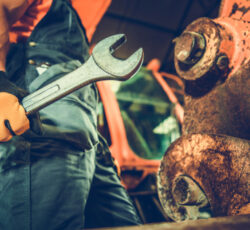 Proper maintenance is essential for keeping heavy equipment in optimal condition and ensuring safety on construction sites. Unfortunately, many equipment owners and operators make common maintenance mistakes that can lead to costly repairs, downtime, and even accidents. In this blog post, we will discuss some of these common mistakes and provide tips on how to avoid them.
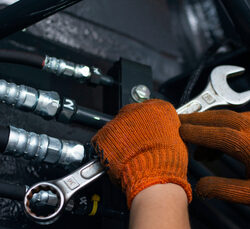 Hydraulic systems are widely used in various industries for their efficiency and power. From heavy machinery to manufacturing equipment, hydraulics play a crucial role in the smooth operation of many applications. However, like any other mechanical system, regular maintenance is essential to ensure optimal performance and prevent costly breakdowns. In this blog post, we will explore the importance of hydraulic system maintenance and discuss some key maintenance practices to keep your system running smoothly.