Troubleshooting Guide for Diagnosing and Fixing Common Issues with Harvesting Equipment
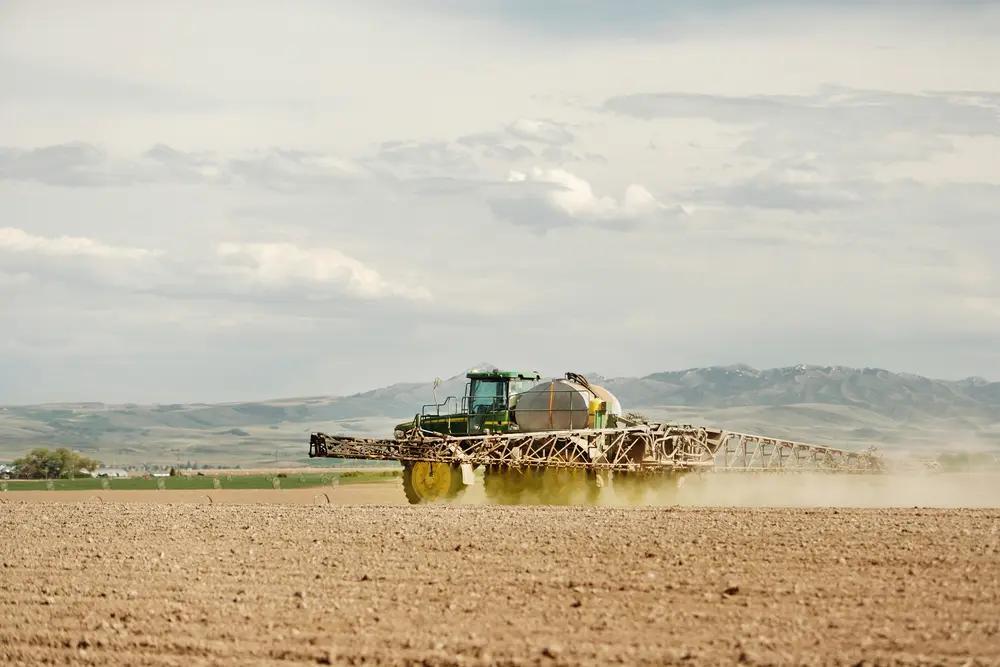
Harvest season around Lexington, Oregon, leaves little room for equipment problems. When a combine, header, grain handling system, or other harvesting equipment starts losing power, running hot, vibrating, or producing inconsistent results, every hour spent troubleshooting can interfere with a narrow harvest window.
The quickest way to diagnose harvesting equipment problems is to start with the symptom, check the simplest mechanical and fluid-related causes first, and avoid continued operation when there are signs of overheating, lubrication failure, hydraulic problems, or component damage. For farms around Lexington and Morrow County, preventive inspections before and during harvest can also help identify wear before it turns into an in-field breakdown.
What local equipment owners should know
- Unusual vibration, heat, noise, fluid loss, or changes in machine performance deserve attention before the equipment is pushed through another long harvest day.
- Dust, chaff, and dry field conditions in the Columbia Basin can make cleaning and cooling-system inspections especially important.
- Belts, bearings, chains, hoses, filters, and fluid levels are practical places to begin when diagnosing many harvesting equipment problems.
- Operators should stop troubleshooting when a repair requires specialized testing, heavy component removal, or work that cannot be completed safely in the field.
- Keeping maintenance records can make recurring problems easier to identify and can help technicians diagnose equipment more efficiently.
Why Harvesting Equipment Troubleshooting Matters Around Lexington
Harvesting equipment troubleshooting matters around Lexington because local agricultural operations depend on machinery performing reliably during time-sensitive periods in dry Eastern Oregon conditions. A minor mechanical problem can become more disruptive when equipment is operating for long hours and replacement parts or specialized repairs require additional travel and coordination.
Agriculture is a significant part of Morrow County. Oregon State University Extension identifies wheat, canola, corn, potatoes, grapes, livestock, and other agricultural products among the county’s industries. OSU also conducts wheat variety trials in Lexington, further reflecting the importance of grain production in this part of Oregon.
Bailey Heavy Equipment Repair Inc serves equipment owners in Lexington, Oregon. We understand that troubleshooting harvesting machinery is not simply about finding a failed part. The goal is to identify what caused the symptom, determine whether related components have been affected, and make a repair that helps the machine return to dependable operation.
Local Data and Field Conditions
Local agricultural information shows that Lexington sits within an active Eastern Oregon grain-producing area where harvesting equipment must operate under demanding seasonal conditions. OSU’s cereal variety program includes Lexington among its Oregon wheat trial locations, while nearby Ione is also used for spring wheat and barley trials.
The broader Columbia Plateau is characterized by a dry climate with hot, dry summers and cold winters, according to Oregon’s State Wildlife Action Plan. Those summer conditions are relevant to harvesting machinery because operators must pay close attention to cooling systems, accumulated plant material, lubrication, and components exposed to dust.
A 2024 OSU Extension Morrow County farmers newsletter reported Lexington among the locations used for wheat variety trials and noted that timely spring rains contributed to above-average yields at most trial locations that year. Conditions change from season to season, but the local research illustrates how closely agricultural workloads are tied to weather and crop conditions.
How Equipment Problems Can Affect a Local Harvest
Harvesting equipment problems can reduce productivity, increase downtime, and create additional component damage when the original fault is not corrected promptly. Around Lexington, those consequences become particularly important when a crop is ready and machinery needs to cover substantial acreage within the available harvest window.
A slipping belt might begin as reduced performance but eventually damage the belt or associated components. A leaking hydraulic hose can progress from a manageable repair to significant fluid loss. Restricted airflow can contribute to higher operating temperatures. A worn bearing can generate heat, noise, and vibration before failing altogether.
Catching those changes early gives operators more options.
Warning Signs Your Harvesting Equipment Needs Attention
Common warning signs include unusual noise, excessive vibration, overheating, fluid leaks, declining power, irregular harvesting performance, and repeated component failures. Operators near Lexington should compare current machine behavior with its normal operating characteristics rather than waiting for a complete breakdown.
Watch for:
- New grinding, squealing, knocking, or rattling sounds.
- Excessive vibration at particular speeds or under load.
- Hydraulic fluid, engine oil, coolant, or other visible leaks.
- Operating temperatures that are higher than normal.
- Belts or chains that repeatedly loosen, slip, or show abnormal wear.
- Reduced engine power or inconsistent response under load.
- Uneven feeding, cutting, threshing, or material flow.
- Warning lights or fault codes that return after basic checks.
A machine that suddenly sounds, feels, or performs differently is giving the operator useful diagnostic information.
When to Call a Heavy Equipment Repair Professional
Call a professional when basic inspection does not reveal the cause, the machine cannot be operated safely, or diagnosis involves hydraulic, electrical, engine, drivetrain, or major mechanical systems. Continuing to operate equipment with an unresolved problem can turn one repair into several.
Operators can safely perform routine checks allowed by the equipment manufacturer, such as inspecting fluid levels, looking for visible leaks, checking accessible filters, and examining belts or hoses with the machine properly shut down and secured.
Professional diagnosis becomes appropriate when the issue involves persistent overheating, substantial hydraulic leaks, internal engine problems, electrical faults, damaged bearings or driveline components, or failures requiring disassembly and specialized tools.
Common Causes of Harvesting Equipment Problems
The most common harvesting equipment problems can often be traced to wear, contamination, inadequate lubrication, restricted cooling, hydraulic faults, or components working outside proper adjustment. Dry harvesting conditions around Lexington can make routine inspection particularly valuable.
1. Dust, Chaff, and Debris Buildup
Harvest produces large amounts of airborne material. Accumulation around radiators, screens, filters, and other components can interfere with airflow or normal operation.
Follow manufacturer cleaning procedures and inspect high-accumulation areas frequently.
2. Worn Belts, Chains, and Bearings
Harvesting equipment contains numerous moving components that operate under sustained loads. Cracks, glazing, excessive slack, abnormal bearing noise, or heat can indicate that service is needed.
3. Hydraulic System Problems
Leaks, damaged hoses, contamination, incorrect fluid levels, or component wear can produce weak, slow, or inconsistent hydraulic operation.
Never use your hand to search for a pressurized hydraulic leak. High-pressure fluid can penetrate skin and cause a serious injury.
4. Cooling System Restrictions
High operating temperatures can result from restricted airflow, low coolant, leaks, fan problems, or other cooling-system faults. Eastern Oregon’s dry summer conditions make cooling performance worth monitoring closely.
5. Electrical and Sensor Faults
Modern harvesting equipment relies heavily on wiring, sensors, connectors, and control systems. A damaged connection can sometimes produce symptoms that resemble a mechanical failure.
How to Prevent Harvest Equipment Breakdowns
The best way to prevent harvesting equipment breakdowns is to combine preseason maintenance with frequent inspections throughout harvest. Around Morrow County, preparing equipment before the busiest part of the season can provide more time to address worn parts and developing problems.
Start with the manufacturer’s maintenance schedule. Inspect fluids, filters, belts, hoses, chains, bearings, tires or tracks, cutting components, electrical connections, and safety equipment as applicable to the machine.
During harvest, operators should also pay attention to changes from one shift to the next. A new leak, hotter bearing, unusual smell, or developing vibration is easier to investigate before it becomes a shutdown.
DIY maintenance should stop whenever the work exceeds the operator’s training, requires unsafe access, or involves pressurized systems, unsupported components, complex electrical diagnosis, or major disassembly.
What to Expect After Professional Equipment Repair
Professional repair should identify the underlying fault, address affected components, and confirm that the repaired system operates as expected before the equipment returns to normal service. The exact process depends on the machine and the nature of the failure.
Some problems can be traced to an individual hose, bearing, belt, connection, or adjustment. Others require deeper troubleshooting because one symptom can have several possible causes.
Clear information from the operator can help. Note when the problem started, what the machine was doing at the time, whether it happens continuously or intermittently, and whether any warning codes appeared.
Common Harvest Equipment Troubleshooting Mistakes
Common troubleshooting mistakes include replacing parts before confirming the cause, ignoring early warning signs, and continuing to operate a machine that is overheating or leaking. During a busy Lexington harvest, the pressure to keep moving can make these shortcuts tempting.
Mistake: Replacing the component that appears damaged without investigating why it failed.
Consequence: The replacement may develop the same problem.
Better approach: Check alignment, lubrication, tension, load, and related components.
Mistake: Treating repeated overheating as normal summer operation.
Consequence: Continued excessive heat may contribute to further damage.
Better approach: Inspect the cooling system and determine why temperatures have changed.
Mistake: Ignoring a small hydraulic leak until harvest is finished.
Consequence: The leak may worsen and create additional downtime or safety concerns.
Better approach: Address hydraulic problems promptly and use appropriate repair procedures.
A Common Local Harvest Scenario
A common local scenario is a machine that performs normally early in the day but begins running hotter or less consistently after hours in dusty harvesting conditions. This does not point to one automatic diagnosis, but it provides a useful starting point.
An operator might first safely inspect accessible cooling screens, debris accumulation, fluid levels, and visible leaks according to manufacturer procedures. If cleaning and basic checks do not explain the change, further operation may not be the best troubleshooting strategy.
Professional diagnosis can then examine the cooling, hydraulic, engine, or related systems more closely.
Related Heavy Equipment Repair Solutions
Heavy equipment repair can address the mechanical, hydraulic, electrical, and wear-related problems that keep agricultural machinery from operating properly. The right repair depends on the symptoms, machine design, operating conditions, and results of a hands-on diagnosis.
We can evaluate equipment problems and determine the appropriate repair approach rather than relying on guesswork.
Comparing DIY Troubleshooting and Professional Repair
DIY troubleshooting is best suited to routine inspections and manufacturer-approved maintenance, while professional repair is appropriate for complex faults, unsafe conditions, and problems requiring specialized tools or diagnosis. The key is recognizing where routine maintenance ends and repair work begins.
| Option | Best Suited For | Main Consideration |
|---|---|---|
| Operator inspection | Fluid levels, visible wear, debris, accessible filters | Follow manufacturer procedures |
| Routine maintenance | Scheduled lubrication and replaceable maintenance items | Use correct specifications |
| Professional diagnosis | Recurring, unclear, or complex failures | Helps identify the underlying cause |
| Professional repair | Hydraulic, engine, drivetrain, electrical, or major mechanical work | Appropriate equipment and repair procedures may be required |
Harvesting Equipment Service Around Lexington
Equipment owners around Lexington benefit from repair support that understands the agricultural character and distances of Morrow County. Nearby farming communities such as Ione and Heppner are connected to Lexington through the Willow Creek area and Oregon Route 74, while Boardman and Irrigon anchor the northern portion of the county. Morrow County’s planning documents identify Highway 74 as a connection among Heppner, Lexington, and Ione.
Our focus is helping area equipment owners get a clear diagnosis and appropriate repair when machinery problems interfere with the work that needs to get done.
What Can Happen If Equipment Problems Are Ignored?
Ignoring harvesting equipment problems can increase downtime and allow a relatively contained fault to affect additional parts or systems. That risk matters during harvest because an unexpected shutdown can occur when the machine is needed most.
A worn bearing can eventually fail. A minor leak can become larger. Persistent overheating can expose components to excessive heat. An improperly tracking belt or chain can damage associated parts.
Responding to warning signs does not mean replacing everything. It means finding the cause before deciding on the repair.
Frequently Asked Questions About Harvesting Equipment Repair
What should I check first when harvesting equipment breaks down near Lexington?
Start by safely shutting down the equipment and checking for obvious problems such as leaks, damaged belts, loose components, debris buildup, abnormal heat, or low fluid levels. Follow the manufacturer’s shutdown and inspection procedures. If the cause is not apparent or the machine cannot be safely operated, arrange for professional diagnosis.
Why does my combine keep overheating during harvest in Lexington?
Combine overheating can result from restricted airflow, debris accumulation, coolant problems, fan-related issues, or other mechanical faults. Lexington’s dry summer harvesting environment can expose equipment to significant dust and plant material, so accessible cooling components should be inspected regularly according to the manufacturer’s maintenance procedures.
How often should harvesting equipment be inspected during Morrow County harvest?
Harvesting equipment should be inspected according to the manufacturer’s specified maintenance intervals, with routine operator checks performed throughout the harvest period. Long operating days can reveal changes quickly, so watching fluid levels, temperatures, leaks, wear points, and unusual sounds can help identify developing problems before the next scheduled service.
What causes excessive vibration in harvesting equipment?
Excessive vibration may come from worn bearings, damaged or unbalanced rotating components, alignment problems, loose hardware, driveline issues, or material buildup. Because vibration can worsen component wear, a machine around Lexington that develops a new or severe vibration should be inspected rather than simply operated until the end of harvest.
Can I repair a leaking hydraulic hose myself?
Hydraulic repairs require proper procedures because pressurized fluid can cause serious injury and incorrect repairs can fail under pressure. Never use your hands to locate a suspected high-pressure leak. Equipment owners around Heppner, Ione, and Lexington should seek qualified repair assistance when a hydraulic problem exceeds routine manufacturer-approved inspection or maintenance.
Why does harvesting equipment lose power under load?
Power loss under load can have several causes, including fuel delivery restrictions, airflow problems, engine faults, electronic issues, or excessive mechanical load. Because multiple systems can produce similar symptoms, systematic diagnosis is usually more effective than replacing parts based only on the first suspected cause.
Should I repair harvesting equipment before or after harvest?
Known problems should generally be addressed before harvest whenever practical, while new failures during harvest should be evaluated according to their severity and safety implications. Preseason inspections give Lexington-area operators more time to identify worn components without the same pressure created by a crop that is ready to harvest.
Why do bearings fail on agricultural harvesting equipment?
Bearings can fail because of wear, contamination, lubrication problems, misalignment, excessive load, installation issues, or damage elsewhere in the assembly. Dusty Morrow County field conditions make proper inspection and manufacturer-specified lubrication particularly relevant. Repeated bearing failures deserve further diagnosis rather than repeated replacement alone.
Keep Your Harvest Equipment Ready for the Work Ahead
Harvesting machinery around Lexington works in a region where agriculture, dry summer conditions, and time-sensitive fieldwork put reliability at a premium. Paying attention to heat, vibration, leaks, unusual sounds, and changing performance can help operators recognize problems while there is still an opportunity to address them.
Get Your Harvesting Equipment Back to Reliable Operation
Bailey Heavy Equipment Repair Inc is here to help Lexington-area equipment owners diagnose mechanical problems and determine the repair needed to get machinery back to work.