In the field of heavy machinery, operator training plays a vital role in ensuring the safety, productivity, and success of any project. Engaging in proper training and acquiring the necessary skills and knowledge is critical for all operators of heavy equipment. This blog explores the significance of operator training for heavy machinery and how well-trained operators can make a substantial impact on productivity, safety, and the overall success of a project.
1. Ensuring Safety:
One of the primary reasons why operator training is crucial for heavy equipment is to ensure the safety of both the operator and those around them. Operating heavy machinery without proper training can be extremely dangerous, leading to accidents, injuries, and even fatalities. Skilled operators who have undergone thorough training understand the risks involved and are capable of adhering to proper safety protocols. They can identify potential hazards, practice safe operating techniques, and react appropriately in emergency situations.
2. Increasing Productivity:
Well-trained operators have a profound impact on project productivity. They possess the knowledge and expertise to utilize heavy equipment efficiently, leading to increased operational speed and reduced downtime. These operators are familiar with the intricacies of various machinery, allowing them to optimize performance and achieve higher efficiency levels. By utilizing equipment effectively, trained operators can complete tasks in a shorter time frame, leading to enhanced productivity and cost-effectiveness.
3. Minimizing Equipment Damage:
Operator training significantly reduces the likelihood of equipment damage. Untrained operators may not be aware of the optimal operating procedures, leading to unnecessary wear and tear on the equipment. Inadequate maintenance and improper use can result in breakdowns and costly repairs. Trained operators, equipped with the knowledge of equipment maintenance, can identify potential issues, perform routine inspections, and handle machinery with care, minimizing the risk of damage. This not only helps extend the lifespan of heavy equipment but also reduces the expenses associated with repairs and replacements.
4. Enhancing Project Quality:
The quality of a project heavily relies on the skills and expertise of the operators responsible for operating heavy machinery. Properly trained operators possess the ability to carry out tasks accurately, ensuring precision and accuracy in every aspect of the project. They understand how to operate machinery in a way that provides smooth and consistent results, leading to high-quality outputs. Well-trained operators can also identify and rectify any issues or errors in real-time, preventing deviations from project specifications and maintaining the desired level of quality.
5. Improving Efficiency and Cost Savings:
Efficiency and cost savings go hand-in-hand with operator training. Trained operators are equipped with the knowledge to use heavy equipment in the most efficient manner. They understand the capabilities and limitations of machinery, allowing them to plan and execute work in the most optimal way possible. By maximizing efficiency, trained operators can save valuable time and resources, decreasing operational costs and increasing profitability. They can also make informed decisions about equipment utilization and equipment selection, resulting in better cost management.
Summary:
Operator training is of utmost importance in the realm of heavy equipment. By providing operators with the necessary skills and knowledge, their impact on productivity, safety, and project success can be significant. Ensuring safety, increasing productivity, minimizing equipment damage, enhancing project quality, and improving efficiency and cost savings are just a few of the benefits that well-trained operators bring to a project. Investing in operator training is a crucial step towards achieving success in any heavy equipment-based endeavor.
Need Heavy Equipment Services in Lexington, OR?
Bailey Heavy Equipment Repair, Inc. is a family-owned and -operated heavy-duty equipment repair service based in Lexington, Oregon since 1984. We specialize in providing for all of your equipment repair needs, whether it’s farm equipment, utility equipment, trucks, cylinders, or something else entirely. We offer ANSI Inspections and Dielectric testing, field repair and on-site repair, line boring services, welding, machining, hose assemblies, steel sales, and other machine products. Give us a call today for more information!
Sustainable construction is becoming increasingly important in today’s world as we strive to reduce our environmental impact and create a more eco-friendly future. The construction industry, historically known for its heavy reliance on natural resources and carbon emissions, is now exploring innovative and greener alternatives to mitigate its environmental footprint. In this blog, we will delve into the evolving landscape of sustainable practices in the construction industry and discuss the environmental impact of traditional heavy equipment, highlighting the need for greener alternatives.
Environmental Impact of Traditional Heavy Equipment
The use of traditional heavy equipment in construction projects has long been a significant contributor to environmental degradation. These machines are usually powered by diesel engines, which emit harmful pollutants such as nitrogen oxides (NOx), particulate matter (PM), and carbon dioxide (CO2). The emissions from these machines not only pose serious health risks to workers on site but also contribute to air pollution and global warming.
Furthermore, the excavation process involved in traditional construction practices often results in the degradation of ecosystems and destruction of habitats. The clearing of vegetation, soil erosion, and disturbance of wildlife populations are common consequences of traditional heavy equipment use. Additionally, the noise pollution generated by these machines can disrupt local communities and negatively affect their quality of life.
The Need for Greener Alternatives
Given the significant environmental impact of traditional heavy equipment, there is an urgent need for greener alternatives in the construction industry. Fortunately, advancements in technology and increased awareness of sustainability issues have paved the way for the development of more eco-friendly options.
One such alternative is the use of electric construction equipment. Electric machines, powered by rechargeable batteries, do not produce any direct emissions, making them environmentally friendly options for various construction tasks. These machines have the added advantage of being quieter than their diesel-powered counterparts, reducing noise pollution in construction sites and surrounding communities.
Another promising solution lies in the adoption of renewable energy sources to power construction equipment. Solar panels and wind turbines can be utilized to generate clean energy, minimizing the reliance on fossil fuels and reducing carbon emissions. Integrating renewable energy into construction practices not only reduces the environmental impact but also provides opportunities for cost savings over the long term.
Innovative Sustainable Practices
Apart from greener alternatives to heavy equipment, sustainable construction practices encompass various other aspects as well. Building materials play a crucial role in determining the environmental impact of a construction project. Traditional materials, such as concrete and steel, have high carbon footprints due to their energy-intensive production processes. However, the use of sustainable materials, such as recycled or reclaimed materials, can significantly reduce the impact on natural resources and energy consumption.
Additionally, incorporating energy-efficient designs and technologies into buildings can greatly contribute to sustainability. Strategies like passive heating and cooling, optimized insulation, and energy-efficient lighting systems can reduce energy consumption and lessen a building’s carbon footprint. Furthermore, the integration of green spaces and the use of natural ventilation techniques can enhance the overall environmental performance of a construction project.
Summary
Sustainable construction is a growing trend in the industry, driven by the need to mitigate the environmental impact of traditional practices. The detrimental effects of heavy equipment, including emissions, habitat destruction, and noise pollution, necessitate greener alternatives. Electric machines and renewable energy sources offer promising solutions to reduce carbon emissions and create a more sustainable construction industry.
Additionally, sustainable practices extend beyond equipment to include the use of eco-friendly building materials and energy-efficient designs. By adopting these practices, construction professionals can contribute to a more sustainable future while simultaneously minimizing the negative environmental impact associated with their projects. As the world becomes more aware of the importance of sustainability, the construction industry must continue to explore and implement innovative solutions to build a greener and more eco-friendly tomorrow.
Need Heavy Equipment Services in Lexington, OR?
Bailey Heavy Equipment Repair, Inc. is a family-owned and -operated heavy-duty equipment repair service based in Lexington, Oregon since 1984. We specialize in providing for all of your equipment repair needs, whether it’s farm equipment, utility equipment, trucks, cylinders, or something else entirely. We offer ANSI Inspections and Dielectric testing, field repair and on-site repair, line boring services, welding, machining, hose assemblies, steel sales, and other machine products. Give us a call today for more information!
Winter weather can present unique challenges for heavy equipment operators. From snow removal to dealing with icy surfaces, these conditions can greatly impact productivity and efficiency on job sites. However, by adapting work practices and utilizing specialized attachments and equipment modifications, operators can maximize productivity during the winter season. In this blog post, we will explore some valuable insights on how operators can navigate these challenges and ensure smooth operations in winter conditions.
Utilize Specialized Attachments
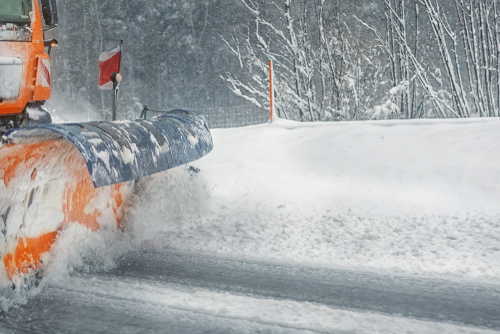
One effective way to adapt to winter weather challenges is by utilizing specialized attachments designed for snow removal and icy conditions. For example, snow blades and pushers can be attached to loaders or skid steers to efficiently clear snow from roads, parking lots, and other surfaces. These attachments are specifically designed to handle the weight and volume of snow, making the clearing process quicker and more effective. Similarly, ice scrapers and ice melt spreaders can be attached to equipment to tackle icy surfaces, preventing accidents and ensuring safe working conditions.
Equip Machines with Winter Tires or Tracks
Another important consideration is equipping heavy equipment with winter tires or tracks. Standard tires may not provide enough traction on slippery surfaces, potentially hindering productivity and safety. Winter tires are designed with specialized rubber compounds and tread patterns that offer improved grip on icy and snowy terrain. Additionally, some machines can be equipped with tracks instead of tires to enhance stability and maneuverability on uneven and slippery surfaces. Investing in these modifications can significantly enhance productivity and safety during winter operations.
Implement Safety Measures
Winter conditions often increase the risk of accidents and injuries on job sites. To adapt to these challenges, operators should prioritize safety measures to protect both themselves and others on site. This includes ensuring proper visibility by clearing snow from windshields, headlights, and cameras. Operators should also wear appropriate personal protective equipment (PPE), such as warm clothing, non-slip boots, and reflective gear, to maximize safety during winter operations. Additionally, it is essential to regularly inspect equipment for any maintenance issues that may be exacerbated by cold temperatures, such as frozen or malfunctioning hydraulic lines.
Consider Efficient Work Scheduling
Adapting work practices to winter weather conditions also involves considering efficient work scheduling. It is crucial to plan tasks according to weather forecasts and prioritize critical operations that need to be completed promptly. For example, if heavy snowfall is predicted, it may be more efficient to focus on snow removal before continuing with other tasks. By adjusting work schedules and focusing on weather-dependent operations, operators can optimize productivity while ensuring safety and efficient resource allocation.
Provide Operator Training
Winter conditions often require operators to adjust their operating techniques to safely and effectively navigate challenging terrain. Providing adequate training for operators on winter-specific challenges and best practices is crucial. This should include education on how to adapt equipment settings, such as adjusting the cutting edges of snow blades or utilizing lower ground speeds for better control. Operator training should also cover techniques for handling steep slopes, icy patches, or slippery surfaces to minimize the risk of accidents and equipment damage. By investing in comprehensive training, operators can enhance their skills and confidence when operating in winter weather conditions.
Perform Regular Maintenance and Inspections
Cold temperatures and harsh winter conditions can accelerate the wear and tear on heavy equipment. Therefore, performing regular maintenance and inspections is critical to keep machines running smoothly and avoid unnecessary breakdowns. Operators should check and lubricate all parts and components, including hydraulics, engine fluids, and electrical systems, on a regular basis. Special attention should be given to frost or ice buildup that can hinder equipment performance or cause safety hazards. By proactively addressing maintenance needs, operators can ensure that equipment operates at its best throughout the winter season.
Summary
Adapting to winter weather challenges in heavy equipment operations requires a combination of strategies and tools. By utilizing specialized attachments, equipping machines with winter tires or tracks, implementing safety measures, optimizing work scheduling, providing proper operator training, and performing regular maintenance and inspections, operators can navigate winter conditions with ease. By embracing these insights and adapting work practices, operators can maximize productivity and ensure safe and efficient operations, even in the most challenging winter weather conditions.
Need Heavy Equipment Repair in Lexington, OR?
Bailey Heavy Equipment Repair, Inc. is a family-owned and -operated heavy-duty equipment repair service based in Lexington, Oregon since 1984. We specialize in providing for all of your equipment repair needs, whether it’s farm equipment, utility equipment, trucks, cylinders, or something else entirely. We offer ANSI Inspections and Dielectric testing, field repair and on-site repair, line boring services, welding, machining, hose assemblies, steel sales, and other machine products. Give us a call today for more information!
As the winter season approaches, it’s crucial to ensure that your vehicles and machines are in their best possible shape to face the harsh weather conditions and prevent any unnecessary breakdowns. Neglecting to inspect and maintain key components such as engines, hydraulic systems, tires, and electrical systems can pose serious risks and lead to costly repairs. Let’s delve into each of these components and explore the potential risks associated with neglecting them.
Engines:
The engine is the heart of any vehicle or machine, and it needs to be functioning optimally to withstand the challenges of winter. Conducting a comprehensive inspection and maintenance of the engine before winter hits is of utmost importance. Some critical aspects to consider include checking the coolant levels, ensuring proper lubrication, and inspecting the belts and hoses for any signs of wear and tear. Neglecting these areas can lead to engine overheating, fluid leaks, and eventually, engine failure, leaving you stranded in the freezing temperatures.
Hydraulic Systems:
Hydraulic systems are commonly found in various machines, such as construction equipment, and they play a vital role in their operation. These systems rely on fluid power to transfer force, making it essential to check their components before winter arrives. Hydraulic systems should be inspected for any leaks, damaged hoses, or worn-out seals. The cold weather can cause fluids to thicken, affecting the smooth operation of the system and potentially leading to breakdowns or malfunctions. Neglecting routine maintenance of hydraulic systems can result in equipment downtime, delays in projects, and costly repairs.
Tires:
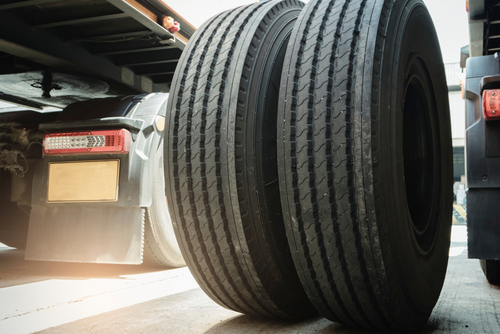
Tire maintenance is crucial all year round, but it becomes even more essential during winter when roads are often icy and slippery. Ensuring proper tire maintenance involves checking the tire pressure regularly, examining the tread depth, and inspecting for any signs of damage. Neglecting these aspects can lead to decreased traction and stability, increasing the risk of accidents. Bald tires can lose their grip on icy surfaces, causing vehicles to slide or spin out of control. On the other hand, over or under-inflated tires can reduce fuel efficiency and wear out more quickly. Inspecting and maintaining tires before winter not only enhances safety but also prolongs their lifespan.
Electrical Systems:
The electrical systems of vehicles and machines are responsible for various functions, including starting the engine, powering lights, and controlling various components. Neglecting to inspect and maintain electrical systems can lead to numerous problems, especially during winter. Ensure that the battery is fully charged, clean the terminals, and inspect the wiring for any frayed or damaged areas. Cold temperatures can reduce the battery’s performance, and a weak or dead battery can leave you stranded in freezing conditions. Faulty electrical connections can also cause malfunctions or failures of various components, affecting the overall performance of the vehicle or machine.
Potential Risks of Neglecting Maintenance:
Neglecting the inspection and maintenance of these critical components before winter can lead to several risks. Firstly, there is an increased risk of breakdowns and downtime, resulting in delays and productivity losses. This is particularly detrimental in sectors relying on heavy machinery and equipment, where even a minor breakdown can halt operations, leading to financial losses.
Secondly, neglecting maintenance can pose serious safety hazards. For example, an engine failure during freezing temperatures can leave you stranded and exposed to extreme cold, risking health and well-being. Furthermore, faulty hydraulic systems can cause accidents or injuries due to sudden malfunctions or loss of control. Similarly, inadequate tire maintenance increases the risk of accidents on icy or slippery roads, endangering lives and causing property damage.
Lastly, neglecting maintenance can lead to costly repairs. Ignoring small issues or signs of wear and tear can escalate problems and cause further damage to components, which could have been easily prevented with routine inspections. Additionally, failure to maintain the mentioned components may void warranties or insurance coverage, further exacerbating the financial burden of repairs or replacements.
Summary
Before winter arrives, it is essential to inspect and maintain key components such as engines, hydraulic systems, tires, and electrical systems. Neglecting these areas can lead to various risks, including breakdowns, safety hazards, and expensive repairs. Investing time and effort into heavy equipment maintenance now can save you from the headaches and costs associated with compromised performance, accidents, and unplanned downtime in the long run.
Need Heavy Equipment Repair in Lexington, OR?
Bailey Heavy Equipment Repair, Inc. is a family-owned and -operated heavy-duty equipment repair service based in Lexington, Oregon since 1984. We specialize in providing for all of your equipment repair needs, whether it’s farm equipment, utility equipment, trucks, cylinders, or something else entirely. We offer ANSI Inspections and Dielectric testing, field repair and on-site repair, line boring services, welding, machining, hose assemblies, steel sales, and other machine products. Give us a call today for more information!
When it comes to ensuring safety and compliance in various industries, ANSI inspections play a vital role. ANSI, which stands for the American National Standards Institute, is a well-known organization that develops and maintains safety standards for a wide range of products, systems, and services. ANSI inspections are conducted to verify that these standards are being followed, helping to ensure the safety of workers, consumers, and the general public. In this blog post, we will delve into the basics of ANSI inspections, discuss their purpose, and highlight the reasons why they are crucial in ensuring safety and compliance.
What are ANSI Inspections?
ANSI inspections are comprehensive evaluations conducted on equipment, facilities, systems, and processes to determine whether they comply with established ANSI standards. These inspections are typically carried out by trained professionals who possess the necessary knowledge, expertise, and certifications to assess compliance with ANSI regulations. The focus of these inspections can vary based on the industry or specific standards that need to be met.
Purpose of ANSI Inspections
The primary purpose of ANSI inspections is to ensure that workplaces, equipment, and systems adhere to the safety standards set by ANSI. By doing so, these inspections aim to minimize the risk of accidents, injuries, and other potentially hazardous incidents. ANSI standards cover a wide range of areas, including workplace safety, electrical systems, machinery, personal protective equipment, construction, and much more. By conducting regular ANSI inspections, organizations can identify potential risks, implement necessary corrective measures, and maintain a safe working environment for their employees.
Importance of ANSI Inspections
1. Enhancing safety: ANSI inspections are a proactive approach to prevent accidents and injuries within workplaces. By enforcing adherence to ANSI standards, these inspections ensure that organizations have assessed and mitigated potential risks, implemented appropriate safety protocols, and provided necessary equipment and training to employees. This focus on safety helps to create a secure working environment for everyone involved.
2. Compliance with legal obligations: In many industries, complying with ANSI standards is a legal requirement. The authorities and regulatory bodies responsible for ensuring workplace safety often incorporate these standards into their regulations. Conducting ANSI inspections helps organizations demonstrate their commitment to meeting these legal obligations and avoiding potential penalties or litigation.
3. Boosting consumer confidence: ANSI inspections are not limited to workplaces; they also extend to various products and services in the market. By adhering to ANSI standards and undergoing regular inspections, manufacturers and service providers can instill confidence in consumers regarding the safety, reliability, and quality of their offerings. This trust ultimately enhances their reputation and allows them to remain competitive in the marketplace.
4. Improvement and innovation: ANSI inspections can act as catalysts for continuous improvement and innovation. By identifying areas of non-compliance or potential risks, organizations can implement corrective measures, upgrade systems, and adopt new practices to enhance safety and efficiency. This proactive approach promotes innovation within industries, leading to the development of new technologies, methods, and products that meet or exceed ANSI standards.
Conclusion
ANSI inspections are essential for upholding safety standards, ensuring compliance, and promoting a secure working environment. By adhering to ANSI regulations, organizations can protect their employees, consumers, and the general public from potential hazards, legal issues, and reputation damage. These inspections serve as a proactive measure to identify and rectify any non-compliance issues, leading to continuous improvement and innovation within industries. Embracing ANSI inspections not only offers peace of mind but also contributes to the overall well-being and success of businesses in an increasingly safety-conscious world.
Got Questions? Let Us Help!
Bailey Heavy Equipment Repair, Inc. is a family-owned and -operated heavy-duty equipment repair service based in Lexington, Oregon since 1984. We specialize in providing for all of your equipment repair needs, whether it’s farm equipment, utility equipment, trucks, cylinders, or something else entirely. We offer ANSI Inspections and Dielectric testing, field repair and on-site repair, line boring services, welding, machining, hose assemblies, steel sales, and other machine products. Give us a call today for more information!


 When it comes to ensuring safety and compliance in various industries, ANSI inspections play a vital role. ANSI, which stands for the American National Standards Institute, is a well-known organization that develops and maintains safety standards for a wide range of products, systems, and services.