Common Maintenance Tips for Extending the Life of Your Harvesting Equipment
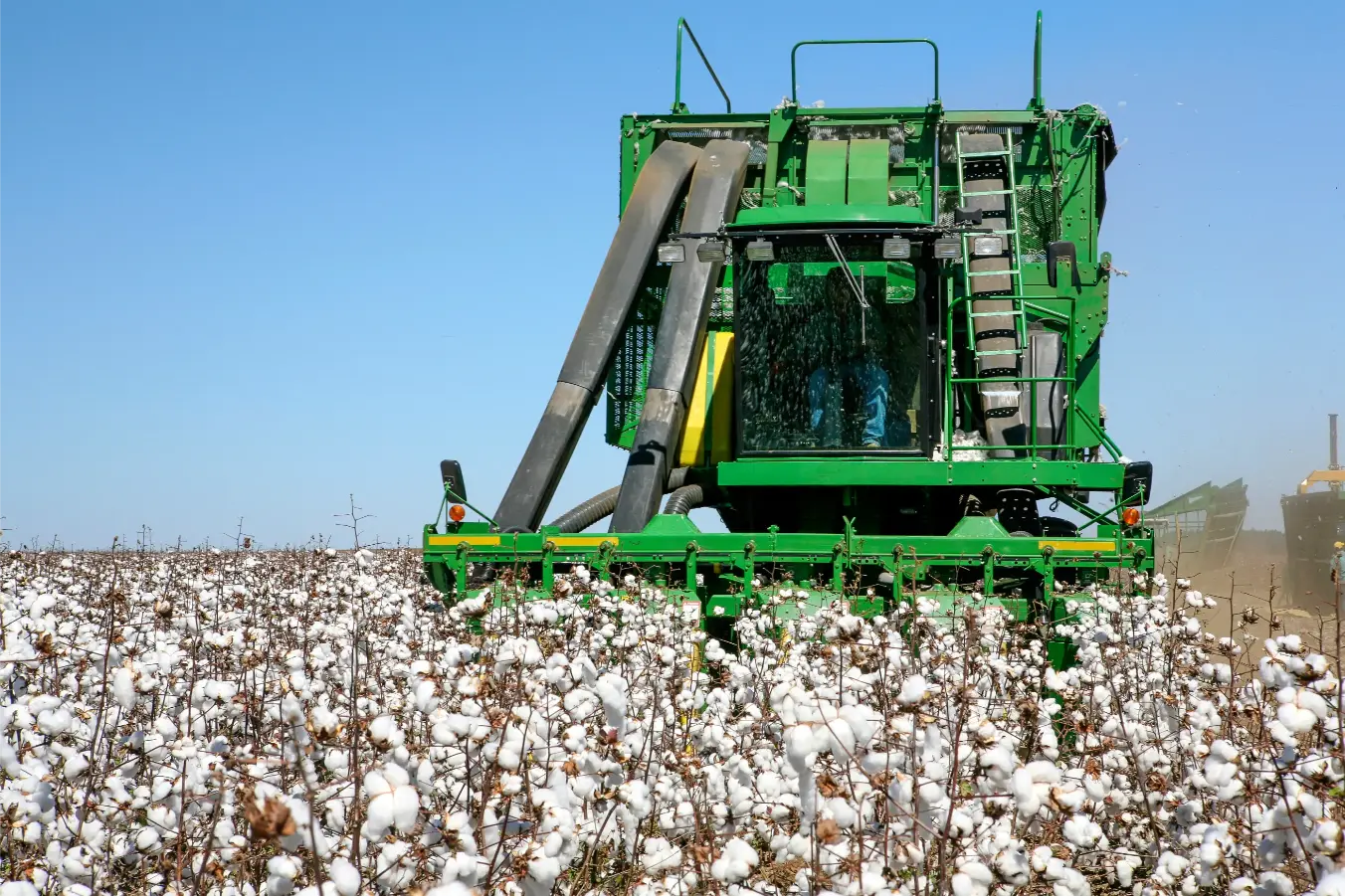
Harvest season around Lexington puts combines and other harvesting equipment through long hours in dry, dusty conditions. Across Morrow County, a minor maintenance issue can quickly become costly downtime when equipment is needed in the field.
Routine cleaning, lubrication, inspections, fluid checks, and timely repairs are some of the most practical ways to extend the working life of harvesting equipment. Paying close attention to bearings, belts, chains, cooling systems, filters, and other high-wear components can also help operators identify problems before they interrupt harvest.
What local equipment owners should know
- Daily inspections during harvest can reveal leaks, loose hardware, damaged belts, worn bearings, and other developing problems.
- Dust and crop residue deserve particular attention around Lexington because dry harvest conditions can lead to significant debris accumulation.
- Cleaning around hot components is an important part of reducing combine fire risk during dry harvest conditions.
- Lubrication should follow the equipment manufacturer’s recommended intervals and specifications.
- Unusual vibration, heat, noise, smoke, or declining performance should be investigated instead of being left until the end of harvest.
Why Does Harvesting Equipment Maintenance Matter in Lexington?
Harvesting equipment maintenance matters in Lexington because local machines operate in an agricultural region where dry summers, wind, dust, crop residue, and demanding harvest schedules can increase wear and make unexpected downtime especially disruptive.
Oregon State University Extension describes north-central and Eastern Oregon agricultural areas as having hot, dry conditions, and research conducted in Morrow County has documented dry, windy growing environments. The Extension Service also identifies wheat, canola, cattle, and other agricultural products as important parts of Morrow County agriculture.
That makes equipment reliability particularly valuable during the relatively narrow periods when crops are ready to come out of the field. Maintenance cannot prevent every breakdown, but it can reduce avoidable wear and give operators an opportunity to address developing problems before they become larger repairs.
Bailey Heavy Equipment Repair Inc serves equipment owners in the Lexington area. When maintenance reveals a problem beyond routine operator service, we can help evaluate repair needs and get equipment back toward dependable operation.
What Do Local Conditions Mean for Harvesting Equipment?
Local conditions mean harvesting equipment near Lexington requires especially close attention to debris, cooling, filtration, lubrication, and components exposed to dust and prolonged operation.
Oregon State University Extension identifies combine fires as a recurring risk dryland farmers face during harvest. Its agricultural resources specifically recommend preventive steps to reduce that risk.
For operators, that makes regular cleaning more than a cosmetic task. Chaff, straw, dust, and other material can accumulate around moving and heat-producing components. Radiators and cooling areas also need attention so accumulated debris does not interfere with normal operation.
Wind and dust can place additional demands on filters, seals, bearings, and cooling systems. Maintenance schedules should still follow the manufacturer’s requirements, but local operating conditions may justify more frequent inspection.
What Warning Signs Should Equipment Owners Watch For?
Warning signs include new noises, excessive vibration, abnormal heat, leaks, smoke, reduced performance, uneven operation, and visible component wear, particularly when a machine behaves differently from its normal operating pattern.
Operators around Lexington should pay attention to:
- Grinding, squealing, knocking, or other unfamiliar sounds.
- Bearings or housings that appear unusually hot.
- Cracked, glazed, loose, or badly worn belts.
- Chains that are loose, damaged, or not tracking correctly.
- Hydraulic, coolant, fuel, or oil leaks.
- Excessive vibration through the machine or header.
- Frequent overheating or unexplained changes in operating temperature.
- Reduced harvesting performance that cannot be explained by changing field conditions.
A change does not automatically identify the failed component. It does provide a reason to inspect the machine before continuing through another long shift.
When Should You Call a Heavy Equipment Repair Professional?
You should call a heavy equipment repair professional when inspection reveals a mechanical problem that requires diagnosis, specialized tools, component repair, or work beyond the safe scope of routine operator maintenance.
Cleaning accessible areas, performing visual checks, checking approved fluid levels, and following manufacturer-specified lubrication procedures may be part of normal equipment care. Repairs involving major hydraulic leaks, damaged bearings, drivetrain problems, electrical faults, severe overheating, or internal mechanical issues generally require more expertise.
During harvest in Morrow County, delaying diagnosis can also allow a smaller defect to affect neighboring components. Addressing unusual symptoms early gives the repair technician more information and may help reduce additional damage.
What Common Conditions Contribute to Harvesting Equipment Wear?
The most common contributors to harvesting equipment wear include debris accumulation, inadequate lubrication, contaminated filters or fluids, worn moving components, heat, vibration, and deferred repairs.
Dust and crop residue: Dry field conditions can leave equipment coated with material that needs regular removal.
Long operating hours: Harvest schedules may require equipment to run for extended periods, putting sustained demand on bearings, belts, chains, cooling systems, and fluids.
Heat: Hot summer conditions combined with engine and hydraulic heat make cooling-system condition particularly important.
Normal component wear: Bearings, belts, hoses, chains, seals, and other components eventually deteriorate through normal use.
Small problems left unresolved: A loose, leaking, or worn component can sometimes contribute to damage elsewhere in the machine.
These concerns are relevant across the agricultural areas surrounding Lexington, Ione, Heppner, and the broader Morrow County region.
How Can Preventive Maintenance Extend Equipment Life?
Preventive maintenance can extend equipment life by keeping components properly lubricated, clean, adjusted, and inspected while giving operators opportunities to correct wear before it develops into a more extensive failure.
Before and during harvest, follow the maintenance schedule in the equipment manufacturer’s manual. Check fluid levels and condition, inspect hoses and belts, clean filters as specified, examine chains and bearings, and remove accumulated crop debris from appropriate areas.
After harvest is another useful maintenance window. Instead of parking equipment immediately after the last field is finished, clean it thoroughly and inspect it for wear. Recording repairs that should be completed before the next season can prevent forgotten problems from reappearing when the machine is needed again.
Never reach into, clean, adjust, or service moving machinery. Follow manufacturer shutdown, lockout, safety, and maintenance procedures before performing service.
What Results Can You Expect From Consistent Maintenance?
Consistent maintenance can help equipment owners reduce preventable wear, catch developing problems sooner, improve day-to-day reliability, and make repair planning more manageable, although no maintenance program can eliminate every mechanical failure.
A well-maintained machine also gives operators a better baseline. When equipment is normally clean, lubricated, and operating correctly, changes in temperature, sound, vibration, or performance can be easier to notice.
For agricultural operations around Lexington, that visibility can be particularly useful during harvest, when knowing about a developing problem early may provide more options for scheduling service.
What Maintenance Mistakes Should Equipment Owners Avoid?
Common maintenance mistakes include postponing inspections, overlooking debris, ignoring minor symptoms, using incorrect fluids or lubricants, and assuming a machine is ready simply because it worked during the previous season.
Mistake: Waiting for a breakdown.
Consequence: A worn component may fail during active harvest.
Better approach: Inspect equipment before harvest and continue routine checks throughout the season.
Mistake: Ignoring small leaks.
Consequence: Fluid loss may worsen or point to a component that needs attention.
Better approach: Identify the source and correct the underlying problem.
Mistake: Letting debris accumulate.
Consequence: Crop residue can make inspections harder and may contribute to heat and fire concerns.
Better approach: Establish a regular cleaning routine appropriate for the machine and field conditions.
Mistake: Guessing at lubrication requirements.
Consequence: The wrong lubricant or interval can undermine maintenance.
Better approach: Follow the manufacturer’s specifications.
What Is a Common Harvest Maintenance Scenario in Morrow County?
A common local scenario is a combine working long days in dry Morrow County fields while dust and residue accumulate and normal wear gradually develops in bearings, belts, chains, or other moving components.
An operator may first notice a different sound, vibration, operating temperature, or performance change. Stopping to investigate that change can reveal a service need before a complete failure occurs.
This is a general local maintenance scenario, not a Bailey Heavy Equipment Repair Inc customer case study. The specific cause of any equipment problem requires inspection and diagnosis.
What Repair Services Can Support Harvest Equipment Maintenance?
Repair services can support preventive maintenance by diagnosing problems discovered during inspection and correcting mechanical issues that cannot be safely or effectively handled through routine operator maintenance.
We can help equipment owners determine what is causing abnormal operation and what repair work may be appropriate. Getting professional attention before a questionable component fails completely can also help operators plan repairs around harvest demands when circumstances allow.
How Should You Compare DIY Maintenance With Professional Repair?
DIY maintenance is best suited to routine tasks specifically covered by the equipment manufacturer’s procedures, while professional repair is appropriate when a machine needs diagnosis, specialized repair work, or attention to a problem outside the operator’s training and equipment.
Daily cleaning and visual inspections can remain part of an operator’s routine. Mechanical failures, recurring overheating, significant leaks, damaged components, and problems that cannot be confidently identified deserve professional evaluation.
The goal is not to call for repair every time a machine gets dusty. It is to recognize where routine maintenance ends and mechanical diagnosis begins.
Where Do We Support Equipment Owners?
We support equipment owners in Lexington and the surrounding agricultural region, including nearby Morrow County communities such as Ione and Heppner. The area’s connection to wheat farming extends throughout the county, while agriculture farther north toward Boardman and Irrigon includes a broader mix of irrigated crops and agribusiness.
What Can Happen When Equipment Problems Are Ignored?
Ignoring equipment problems can turn manageable wear into unplanned downtime, additional component damage, lost field time, or a repair that becomes more involved than it might have been when the first symptoms appeared.
Harvest timing matters. Oregon State University Extension notes that proper harvest timing is important for crops such as canola, while regional wheat operations also work within seasonal harvest windows.
That is why unusual noises, leaks, heat, or vibration deserve attention instead of becoming items on a post-harvest list.
FAQ
How often should harvesting equipment be inspected in Lexington, OR?
Harvesting equipment should be inspected according to the manufacturer’s schedule, with routine visual checks performed throughout active harvest. Lexington’s dry, dusty agricultural conditions make debris accumulation, cooling performance, filters, bearings, belts, chains, hoses, and leaks especially useful areas to monitor during periods of heavy equipment use.
Why is combine cleaning especially important around Lexington?
Combine cleaning is especially important around Lexington because dry crop residue and dust can accumulate during harvest. Oregon State University Extension identifies combine fires as a risk faced by dryland farmers during harvest, so cleaning and inspection should be part of a broader fire-prevention and equipment-maintenance routine.
What parts of a combine should Morrow County operators inspect regularly?
Morrow County operators should regularly inspect the components identified in their manufacturer’s maintenance guidance, including belts, chains, bearings, hoses, filters, cooling components, fluid systems, and other wear points. Operators should also watch for leaks, loose components, unusual heat, vibration, and accumulated crop debris.
Should harvesting equipment be serviced before or after harvest?
Harvesting equipment benefits from attention both before and after harvest. Pre-harvest service helps prepare the machine for sustained operation, while post-harvest inspection can uncover wear that developed during the season. Correcting known problems before storage can also reduce the list of surprises awaiting operators next year.
What does excessive vibration in harvesting equipment mean?
Excessive vibration means something in the machine may require inspection, but vibration alone does not identify a specific failure. Loose, worn, damaged, unbalanced, or misaligned components are among the possibilities. If vibration is new or worsening, stop operating as appropriate and have the cause properly diagnosed.
Can dust around Lexington shorten equipment life?
Dust can contribute to equipment wear when it contaminates components, loads filters, blocks cooling surfaces, or combines with crop residue around machinery. Because Lexington sits within a dry agricultural area of Morrow County, regular cleaning and inspection should be treated as part of routine harvest maintenance rather than an occasional cosmetic task.
When should a Morrow County farmer call a repair professional?
A Morrow County farmer should call a repair professional when equipment has persistent overheating, significant leaks, damaged mechanical components, unusual noise or vibration, electrical problems, or symptoms that cannot be safely diagnosed through routine operator checks. Early evaluation can help determine the scope of repair before operation continues.
Can preventive maintenance guarantee that my combine will not break down?
No, preventive maintenance cannot guarantee that a combine or other harvesting machine will never break down. Components can fail even on maintained equipment. Consistent maintenance does, however, provide opportunities to identify normal wear, leaks, contamination, adjustment issues, and other developing concerns before they become more disruptive.
Keep Your Harvesting Equipment Ready for Work in Lexington
Regular maintenance gives Lexington-area equipment owners a practical way to protect machinery, identify developing wear, and reduce avoidable interruptions during demanding harvest periods. Cleaning, inspections, proper lubrication, and timely repairs all contribute to keeping equipment ready when fieldwork cannot wait.
Protect Your Equipment and Reduce Avoidable Harvest Downtime
We understand that dependable machinery matters when harvest is underway across Lexington and Morrow County.