Top 10 Common Heavy Equipment Repair Issues and How to Fix Them
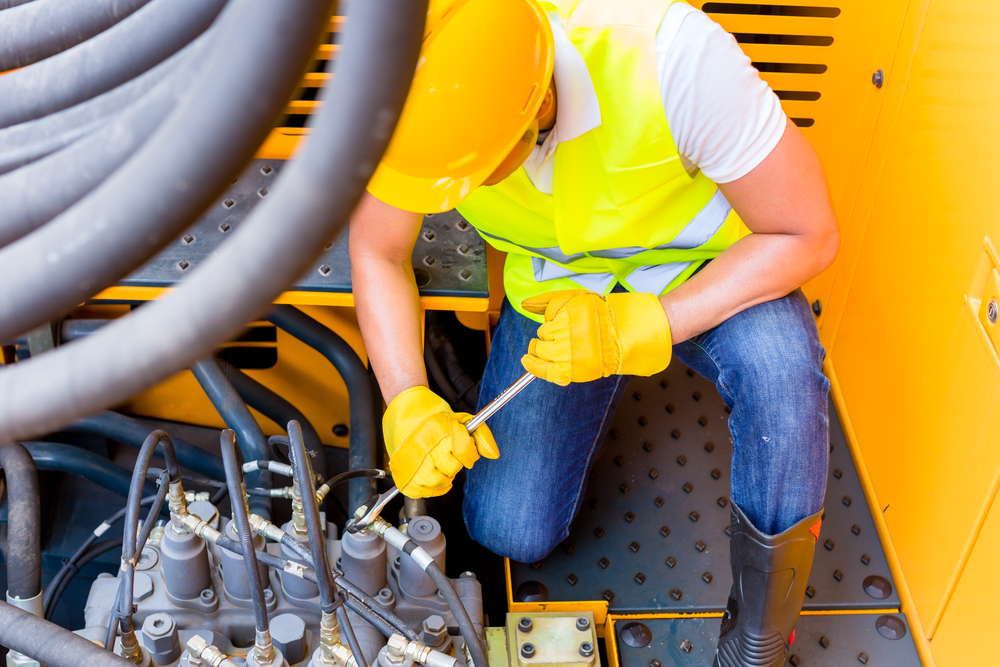
Heavy equipment is the backbone of construction, agriculture, and earthmoving operations throughout Lexington, OR and surrounding communities. Whether you’re managing a farm during harvest or keeping a construction project on schedule, unexpected equipment failures can quickly lead to downtime, missed deadlines, and costly repairs.
Quick Answer
The most common heavy equipment repair issues include hydraulic leaks, engine overheating, electrical failures, worn undercarriages, transmission problems, fuel system contamination, cooling system failures, damaged cylinders, brake issues, and excessive wear on pins and bushings. Identifying these problems early through routine inspections and preventive maintenance helps reduce downtime and extends equipment life.
What Local Equipment Owners Should Know
-
Dust from agricultural fields throughout Morrow County can accelerate wear on filters, radiators, and hydraulic systems.
-
Equipment operating near Lexington, Heppner, and Ione often experiences increased stress during harvest and peak construction seasons.
-
Preventive maintenance costs significantly less than emergency repairs caused by neglected issues.
-
Regular inspections help identify small problems before they become expensive component failures.
-
Seasonal temperature swings in northeastern Oregon place additional stress on cooling systems, batteries, and hydraulic components.
Why This Matters Locally
Heavy equipment operating throughout Lexington and nearby communities works in challenging environments. Dry summer conditions create airborne dust that clogs cooling systems and air filters, while colder winter temperatures can affect hydraulic performance and battery reliability. Agricultural operations, road construction, and excavation projects across Morrow County depend on reliable machinery to stay productive.
Bailey Heavy Equipment Repair Inc understands the demands local equipment owners face. We help minimize downtime by diagnosing problems quickly and performing dependable repairs that keep equipment working throughout the region.
Local Field Observations
Based on our professional field experience, many equipment breakdowns begin as relatively minor issues that go unnoticed during daily operation. Hydraulic seepage, worn hoses, clogged cooling systems, and neglected lubrication points frequently develop into larger repairs if maintenance is delayed. Dust exposure, extended operating hours, and seasonal workloads all contribute to accelerated wear on heavy machinery in northeastern Oregon.
Top 10 Common Heavy Equipment Repair Issues and How to Fix Them
1. Hydraulic Leaks
Hydraulic leaks are among the most common heavy equipment problems because hydraulic systems operate under extremely high pressure.
Common causes include:
-
Damaged hoses
-
Worn seals
-
Loose fittings
-
Cracked hydraulic lines
How to fix it:
Inspect hoses regularly, replace damaged seals, tighten fittings, and repair leaking cylinders before contamination damages pumps or valves.
2. Engine Overheating
Overheating often results from restricted airflow or cooling system problems.
Common causes include:
-
Dirty radiators
-
Low coolant
-
Faulty water pumps
-
Damaged cooling fans
How to fix it:
Clean the radiator, inspect coolant levels, replace worn cooling components, and remove debris from cooling fins after operating in dusty conditions.
3. Electrical System Failures
Modern heavy equipment relies on electrical systems for engine management, sensors, and safety controls.
Common issues include:
-
Weak batteries
-
Corroded terminals
-
Broken wiring
-
Faulty alternators
How to fix it:
Test batteries regularly, clean electrical connections, inspect wiring harnesses, and replace damaged components promptly.
4. Worn Undercarriage Components
Track loaders and excavators experience constant wear on undercarriage parts.
Common components include:
-
Rollers
-
Idlers
-
Track chains
-
Sprockets
How to fix it:
Maintain proper track tension, replace worn components before complete failure, and inspect the undercarriage after working on rocky terrain.
5. Transmission Problems
Heavy loads and extended operation can create transmission issues.
Warning signs include:
-
Slipping gears
-
Delayed movement
-
Unusual noises
-
Fluid leaks
How to fix it:
Inspect transmission fluid regularly, repair leaks immediately, and replace worn internal components before extensive damage occurs.
6. Fuel System Contamination
Dirty fuel causes injector damage, poor engine performance, and difficult starting.
How to fix it:
Replace fuel filters on schedule, drain contaminated fuel, clean tanks when necessary, and purchase fuel from reliable suppliers.
7. Cooling System Failures
A neglected cooling system affects overall engine reliability.
Common problems include:
-
Leaking hoses
-
Failing thermostats
-
Clogged radiators
-
Worn belts
How to fix it:
Perform routine inspections and replace aging components before peak operating seasons.
8. Hydraulic Cylinder Damage
Cylinder rods can become bent, scored, or develop leaking seals.
How to fix it:
Repair or rebuild damaged cylinders before internal contamination damages the hydraulic system.
9. Brake System Issues
Reliable brakes are critical for operator safety.
Common causes include:
-
Worn brake pads
-
Hydraulic leaks
-
Damaged brake lines
-
Air in the system
How to fix it:
Inspect braking components regularly and replace worn parts immediately.
10. Worn Pins and Bushings
Pins and bushings naturally wear from continuous movement and heavy loads.
How to fix it:
Lubricate all grease points consistently and replace worn pins before they damage surrounding components.
Local Impact
Unexpected equipment failures can delay excavation projects, interrupt agricultural operations, and increase operating costs throughout Lexington, Boardman, Hermiston, and surrounding areas. Reliable machinery keeps projects moving, especially during busy planting, harvest, and construction seasons when downtime is especially expensive.
Warning Signs
Watch for these indicators before a minor issue becomes a major repair:
-
Hydraulic fluid on the ground
-
Engine temperature running higher than normal
-
Excessive smoke from the exhaust
-
Difficulty starting the engine
-
Unusual grinding or knocking noises
-
Slow hydraulic performance
-
Visible cracks in hoses or belts
-
Excessive vibration during operation
When to Call a Professional
Basic maintenance such as checking fluid levels, inspecting filters, and cleaning radiators can often be handled during routine equipment inspections. However, hydraulic failures, transmission problems, electrical diagnostics, engine repairs, and structural component damage should be handled by experienced heavy equipment technicians to prevent additional damage.
Common Local Causes
Several local conditions contribute to equipment repairs throughout northeastern Oregon.
-
Heavy dust during dry summer months.
-
Long operating hours during harvest season.
-
Rough terrain across agricultural and construction sites.
-
Temperature changes between seasons.
-
Delayed maintenance due to demanding work schedules.
Prevention and Maintenance
Preventive maintenance remains the most effective way to reduce repair costs.
Helpful maintenance practices include:
-
Perform daily walk-around inspections.
-
Monitor fluid levels before each shift.
-
Grease all recommended lubrication points.
-
Replace filters according to manufacturer recommendations.
-
Clean radiators regularly during dusty conditions.
-
Address small leaks immediately.
-
Schedule professional inspections throughout the year.
Expected Results
Routine maintenance helps improve equipment reliability, reduce emergency breakdowns, extend component life, and lower long-term operating costs. While every machine eventually requires repairs, proactive service helps maximize productivity and minimize downtime.
Common Mistakes
Mistake: Ignoring small hydraulic leaks.
Consequence: Pump failure and contaminated hydraulic systems.
Better Approach: Repair leaks immediately before additional components are damaged.
Mistake: Continuing to operate an overheating machine.
Consequence: Severe engine damage.
Better Approach: Shut the equipment down and diagnose the cooling problem before resuming operation.
Mistake: Skipping scheduled maintenance.
Consequence: Increased repair costs and unexpected failures.
Better Approach: Follow manufacturer maintenance intervals and document all service.
Common Local Scenario
A contractor working near Heppner notices a slight hydraulic leak on an excavator but continues operating through several weeks of demanding work. Eventually, the leaking seal allows contamination into the hydraulic system, leading to pump damage and significantly more expensive repairs than addressing the original leak would have required.
Related Service Solutions
Heavy equipment owners often benefit from:
-
Hydraulic system diagnostics
-
Engine repair
-
Mobile heavy equipment repair
-
Preventive maintenance
-
Undercarriage repair
-
Welding and fabrication
-
Electrical diagnostics
-
Cooling system service
Comparing Your Options
| Option | Advantages | Considerations |
|---|---|---|
| DIY Inspection | Identifies obvious issues early | Limited to basic maintenance |
| Professional Repair | Accurate diagnosis and complete repairs | Best for complex mechanical or hydraulic problems |
| Preventive Maintenance | Reduces breakdowns and extends equipment life | Requires scheduled service |
| Emergency Repair | Restores equipment after failure | Often more expensive than preventive maintenance |
Service Areas
We proudly serve equipment owners in Lexington, OR, along with Heppner, Boardman, Hermiston, Ione, and surrounding communities throughout Morrow County and nearby areas.
Cost of Ignoring the Issue
Delaying repairs often leads to more extensive component damage, increased downtime, higher labor costs, and missed project deadlines. Addressing problems early is typically more affordable than replacing major hydraulic, engine, or drivetrain components.
Frequently Asked Questions
How often should heavy equipment be inspected in Lexington, OR?
Daily inspections are recommended before operation, while comprehensive maintenance should follow the manufacturer’s service intervals and operating hours. Equipment working in dusty conditions around Lexington may benefit from more frequent filter and cooling system inspections.
What is the most common heavy equipment repair?
Hydraulic system repairs are among the most common because hoses, seals, cylinders, and fittings experience constant pressure and wear during normal operation.
Does dust in Morrow County affect heavy equipment?
Yes. Dust can clog air filters, restrict radiator airflow, contaminate hydraulic systems, and accelerate wear on moving components if equipment is not cleaned and maintained regularly.
Can I repair hydraulic leaks myself?
Minor visual inspections are safe, but high-pressure hydraulic systems can be dangerous. Professional diagnosis and repairs are recommended to ensure safety and prevent further damage.
What causes heavy equipment to overheat during summer?
Dirty radiators, restricted airflow, low coolant, damaged cooling fans, and extended operation during hot weather are common causes of overheating.
Is preventive maintenance worth the cost?
Yes. Routine maintenance helps reduce unexpected breakdowns, extends equipment life, and lowers overall repair expenses by identifying problems before they become major failures.
Should worn undercarriage parts be replaced immediately?
Yes. Replacing worn rollers, sprockets, idlers, and track components before complete failure helps prevent additional damage and maintains equipment performance.
Do you service equipment outside Lexington?
Yes. We work with equipment owners throughout Lexington and surrounding communities in Morrow County and nearby areas.
Keep Your Equipment Working When It Matters Most
Reliable heavy equipment keeps projects moving and businesses productive throughout the Lexington area. Prompt repairs and routine maintenance help reduce downtime and extend the life of your machinery.
Need Heavy Equipment Repair in Lexington, OR?
[Call Now Placeholder]