The Spring Slog: Protecting Your Undercarriage in Morrow County’s Muddy Fields
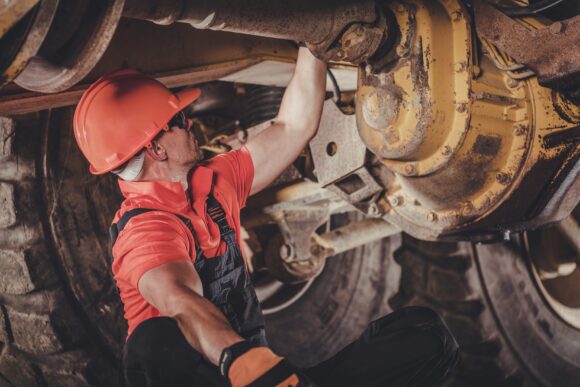
Spring in Morrow County is a season of opportunity and frustration rolled into one. For dryland wheat farmers around Lexington and Heppner, it signals critical fieldwork windows. For excavation contractors working along I-84 corridors or rural access roads, it means projects ramp up fast. But it also means mud. Thick, heavy, Eastern Oregon mud that clings to tracks, packs into rollers, and adds strain to every moving component under your machine.
At Bailey Heavy Equipment Repair, we see the aftermath every year. Machines that made it through winter without issue suddenly show accelerated wear. Undercarriages take the brunt of it. If you are running dozers, track loaders, or excavators in saturated ground, protecting your undercarriage is not optional. It is the difference between staying productive and scheduling costly downtime for heavy equipment repair in Lexington, OR.
Why Spring Mud Is So Hard on Undercarriages
Morrow County soil has a personality. When it is dry, it is dusty and abrasive. When it is wet, it becomes dense and adhesive. That combination creates ideal conditions for undercarriage stress.
As mud builds up inside the track system, it increases weight and resistance. Tracks have to work harder to rotate. Rollers and idlers are forced to push against packed debris. Sprockets grind through mud that often contains fine gravel and grit, accelerating wear.
For dryland wheat operations, this is especially common during early spring passes when fields are workable but still holding moisture. Excavation crews digging foundations or trenching utilities near Boardman or Irrigon deal with similar conditions. Over time, that constant strain leads to worn components, uneven track wear, and premature sprocket and roller replacement.
Routine Morrow County equipment maintenance becomes even more critical during this time of year.
The Importance of Regular Undercarriage Inspection
The undercarriage can account for a significant percentage of total machine wear costs. Yet it is often overlooked until performance noticeably declines. A proactive undercarriage inspection in spring can save thousands in long-term repair expenses.
Start by checking for excessive mud buildup after each day of operation. Inspect track pads, rollers, idlers, and sprockets for uneven wear patterns. Look for cracked or loose hardware. Pay attention to unusual noises or vibration during operation, as these can signal misalignment or excessive tension.
For operators in Lexington and throughout Morrow County, scheduling a professional undercarriage inspection early in the season allows issues to be identified before they escalate. Our team at Bailey Heavy Equipment Repair frequently provides heavy equipment repair in Lexington, OR that could have been minimized with earlier detection.
The key is not waiting until track failure or visible damage forces a shutdown.
Track Tension Adjustment: A Small Fix With Big Impact
One of the most common springtime issues we see is improper track tension. Mud buildup can alter tension temporarily, masking underlying problems. Once the mud dries and falls away, tracks may become too loose or too tight.
Track tension adjustment is not just about comfort. It directly affects wear rates. Over-tightened tracks increase stress on rollers, idlers, and sprockets. Loose tracks risk derailing and cause uneven wear on bushings and pins.
In Eastern Oregon’s fluctuating spring temperatures, tension settings may need more frequent monitoring. Machines that move from muddy fields to firmer ground require adjustments to maintain optimal performance.
Our Eastern Oregon diesel mechanics often perform track tension adjustment as part of routine Morrow County equipment maintenance. This relatively simple service can extend undercarriage life and reduce the need for premature sprocket and roller replacement.
Heavy Machinery Cleaning Is Not Just About Appearance
After a long day in saturated soil, it is tempting to park the machine and move on. But heavy machinery cleaning is one of the most effective ways to protect your undercarriage during spring.
Mud that remains packed inside track frames hardens as it dries. That hardened material restricts component movement and traps moisture against metal surfaces. Over time, this accelerates corrosion and wear.
Regular cleaning reduces excess weight and allows you to spot developing problems more easily. Pressure washing undercarriages may seem like an added chore, but it pays off in extended component life.
For contractors and farmers balancing tight schedules, field service for heavy machinery can help streamline this process. Our mobile technicians often assist with inspections and adjustments directly on-site, minimizing downtime.
Knowing When Replacement Is Necessary
Despite best efforts, some wear is inevitable. Spring conditions may reveal components that were already nearing the end of their lifespan. Recognizing when sprocket and roller replacement is necessary prevents catastrophic failures during peak work windows.
Worn sprockets often show hooked or pointed teeth. Rollers may exhibit uneven wear or leakage. Idlers can develop excessive play. Ignoring these signs risks damage to adjacent components, multiplying repair costs.
For dryland wheat farmers facing narrow planting or spraying windows, unexpected breakdowns can disrupt critical timelines. Excavation contractors working on scheduled projects face similar risks. Proactive Lexington farm equipment repair ensures that minor issues do not snowball into major interruptions.
Our team provides heavy equipment repair in Lexington, OR tailored specifically to the demands of Morrow County operations. We understand that downtime in spring carries a higher cost than at almost any other time of year.
The Value of Local Expertise in Eastern Oregon
Operating heavy machinery in Eastern Oregon requires understanding local conditions. Soil composition, seasonal moisture patterns, and temperature swings all influence equipment wear.
Our Eastern Oregon diesel mechanics are familiar with the realities of working in Morrow County’s fields and job sites. We know how spring mud affects track systems. We know which components tend to fail first under these conditions. And we know how to prioritize repairs to get you back to work quickly.
Field service for heavy machinery is especially valuable in rural areas where transporting large equipment can be time-consuming and expensive. By bringing inspection and repair services directly to your location, we help reduce logistical challenges and keep operations moving.
Building a Spring Maintenance Routine
Protecting your undercarriage during the spring slog does not require overhauling your entire maintenance plan. It requires consistency.
Schedule routine undercarriage inspection intervals during peak muddy periods. Monitor track tension adjustment more frequently than in dry seasons. Prioritize heavy machinery cleaning to prevent hardened debris from accumulating. Address early signs of sprocket and roller replacement before failure occurs.
By integrating these practices into your standard Morrow County equipment maintenance routine, you reduce long-term costs and extend machine life.
Spring in Lexington and across Morrow County will always bring mud. It is part of farming and construction in this region. But with proactive maintenance and experienced support, it does not have to bring unexpected downtime.
At Bailey Heavy Equipment Repair, we are committed to supporting dryland wheat farmers and excavation contractors through every season. From heavy equipment repair in Lexington, OR to field service for heavy machinery throughout Eastern Oregon, our goal is simple. Keep your machines running strong, even when the fields are at their toughest.