In today’s fast-paced consumer culture, the idea of fixing old equipment instead of buying new may seem counterintuitive. After all, the allure of shiny, state-of-the-art machinery is hard to resist. However, there are instances when it makes more sense to upgrade your existing equipment rather than rushing to the store for a brand-new replacement. This blog aims to shed light on when it is practical and cost-effective to opt for repairs and upgrades instead of buying new, along with providing guidelines for assessing the lifespan and potential for upgrades.
1. Assessing the Lifespan of Equipment
Before determining whether to repair or upgrade your equipment, it is crucial to assess its lifespan. Equipment that is only a few years old and has been well-maintained may still have many productive years ahead. On the other hand, if your equipment is already nearing the end of its anticipated lifespan, it may be more prudent to purchase a new one rather than invest in costly repairs. Consider factors such as the original manufacturer’s warranty, hours of usage, and any known issues that might indicate a shorter lifespan.
2. Cost-Effectiveness of Repairs
One of the primary factors that drive the decision between repair and replacement is cost-effectiveness. Compare the cost of repairing your equipment to the expense of purchasing a new one. In some cases, repairs might be significantly cheaper, particularly for certain components or minor issues. If the repairs are within a reasonable percentage of the replacement cost, it may make financial sense to proceed with repairs rather than spending a substantial sum on a brand-new purchase.
3. Compatibility with Upgrades
Another consideration when deciding between repair and upgrading is the compatibility of your equipment with potential upgrades. Upgrades can enhance the efficiency, performance, or versatility of your existing machinery, making it more competitive and cost-effective in the long run. Research the availability and compatibility of upgrade components or software for your equipment. If viable upgrades are available and can extend the usefulness and capabilities of your equipment, it may be wise to invest in repairs and upgrades instead of opting for a complete replacement.
4. Rental or Temporary Solutions
Sometimes, the urgency of acquiring new equipment is not as essential as it might initially seem. In scenarios where a critical piece of machinery breaks down, consider whether alternative temporary solutions, such as renting similar equipment, might be more cost-effective than buying new right away. Rentals can often provide a practical stop-gap solution that allows businesses to continue operations while they assess the financial implications and consider long-term repair or replacement strategies.
5. Environmental Considerations
The environmental impact of replacing equipment is a critical factor that should not be overlooked. Manufacturing new equipment consumes considerable resources and generates greenhouse gas emissions. By opting to repair and upgrade rather than buying new, you contribute to the reduction of waste and promote sustainability. It is important to weigh the environmental costs and benefits of repairing and upgrading compared to the ecological toll of frequent replacements.
Summary
The decision to fix old equipment instead of buying new is not a one-size-fits-all answer. It requires careful consideration of various factors such as the equipment’s lifespan, cost-effectiveness of repairs, compatibility with upgrades, availability of rental solutions, and environmental impact. By following these guidelines, businesses and individuals can make informed decisions that maximize both their financial resources and their commitment to sustainable practices. Remember, sometimes the allure of new equipment may tempt us, but repairing what we have can be a practical and responsible choice.
Need Heavy Equipment Services in Lexington, OR?
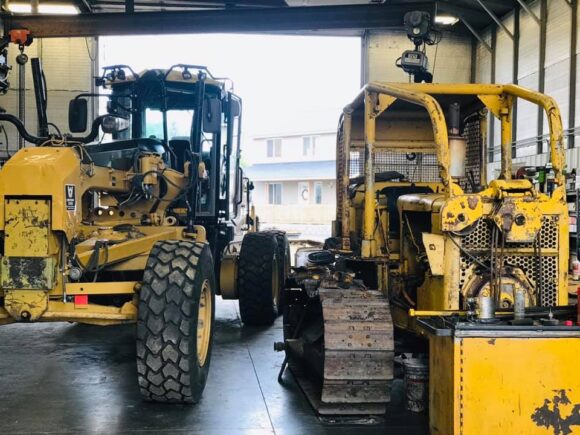
Bailey Heavy Equipment Repair, Inc. is a family-owned and -operated heavy-duty equipment repair service based in Lexington, Oregon since 1984. We specialize in providing for all of your equipment repair needs, whether it’s farm equipment, utility equipment, trucks, cylinders, or something else entirely. We offer ANSI Inspections and Dielectric testing, field repair and on-site repair, line boring services, welding, machining, hose assemblies, steel sales, and other machine products. Give us a call today for more information!
In the field of heavy machinery, operator training plays a vital role in ensuring the safety, productivity, and success of any project. Engaging in proper training and acquiring the necessary skills and knowledge is critical for all operators of heavy equipment. This blog explores the significance of operator training for heavy machinery and how well-trained operators can make a substantial impact on productivity, safety, and the overall success of a project.
1. Ensuring Safety:
One of the primary reasons why operator training is crucial for heavy equipment is to ensure the safety of both the operator and those around them. Operating heavy machinery without proper training can be extremely dangerous, leading to accidents, injuries, and even fatalities. Skilled operators who have undergone thorough training understand the risks involved and are capable of adhering to proper safety protocols. They can identify potential hazards, practice safe operating techniques, and react appropriately in emergency situations.
2. Increasing Productivity:
Well-trained operators have a profound impact on project productivity. They possess the knowledge and expertise to utilize heavy equipment efficiently, leading to increased operational speed and reduced downtime. These operators are familiar with the intricacies of various machinery, allowing them to optimize performance and achieve higher efficiency levels. By utilizing equipment effectively, trained operators can complete tasks in a shorter time frame, leading to enhanced productivity and cost-effectiveness.
3. Minimizing Equipment Damage:
Operator training significantly reduces the likelihood of equipment damage. Untrained operators may not be aware of the optimal operating procedures, leading to unnecessary wear and tear on the equipment. Inadequate maintenance and improper use can result in breakdowns and costly repairs. Trained operators, equipped with the knowledge of equipment maintenance, can identify potential issues, perform routine inspections, and handle machinery with care, minimizing the risk of damage. This not only helps extend the lifespan of heavy equipment but also reduces the expenses associated with repairs and replacements.
4. Enhancing Project Quality:
The quality of a project heavily relies on the skills and expertise of the operators responsible for operating heavy machinery. Properly trained operators possess the ability to carry out tasks accurately, ensuring precision and accuracy in every aspect of the project. They understand how to operate machinery in a way that provides smooth and consistent results, leading to high-quality outputs. Well-trained operators can also identify and rectify any issues or errors in real-time, preventing deviations from project specifications and maintaining the desired level of quality.
5. Improving Efficiency and Cost Savings:
Efficiency and cost savings go hand-in-hand with operator training. Trained operators are equipped with the knowledge to use heavy equipment in the most efficient manner. They understand the capabilities and limitations of machinery, allowing them to plan and execute work in the most optimal way possible. By maximizing efficiency, trained operators can save valuable time and resources, decreasing operational costs and increasing profitability. They can also make informed decisions about equipment utilization and equipment selection, resulting in better cost management.
Summary:
Operator training is of utmost importance in the realm of heavy equipment. By providing operators with the necessary skills and knowledge, their impact on productivity, safety, and project success can be significant. Ensuring safety, increasing productivity, minimizing equipment damage, enhancing project quality, and improving efficiency and cost savings are just a few of the benefits that well-trained operators bring to a project. Investing in operator training is a crucial step towards achieving success in any heavy equipment-based endeavor.
Need Heavy Equipment Services in Lexington, OR?
Bailey Heavy Equipment Repair, Inc. is a family-owned and -operated heavy-duty equipment repair service based in Lexington, Oregon since 1984. We specialize in providing for all of your equipment repair needs, whether it’s farm equipment, utility equipment, trucks, cylinders, or something else entirely. We offer ANSI Inspections and Dielectric testing, field repair and on-site repair, line boring services, welding, machining, hose assemblies, steel sales, and other machine products. Give us a call today for more information!
Winter weather can present unique challenges for heavy equipment operators. From snow removal to dealing with icy surfaces, these conditions can greatly impact productivity and efficiency on job sites. However, by adapting work practices and utilizing specialized attachments and equipment modifications, operators can maximize productivity during the winter season. In this blog post, we will explore some valuable insights on how operators can navigate these challenges and ensure smooth operations in winter conditions.
Utilize Specialized Attachments
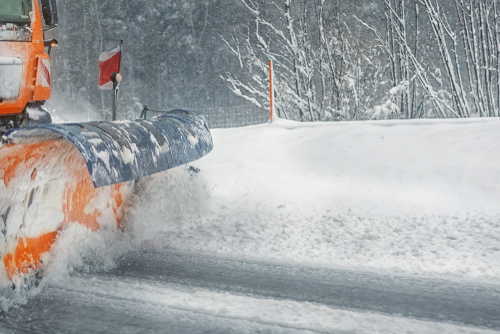
One effective way to adapt to winter weather challenges is by utilizing specialized attachments designed for snow removal and icy conditions. For example, snow blades and pushers can be attached to loaders or skid steers to efficiently clear snow from roads, parking lots, and other surfaces. These attachments are specifically designed to handle the weight and volume of snow, making the clearing process quicker and more effective. Similarly, ice scrapers and ice melt spreaders can be attached to equipment to tackle icy surfaces, preventing accidents and ensuring safe working conditions.
Equip Machines with Winter Tires or Tracks
Another important consideration is equipping heavy equipment with winter tires or tracks. Standard tires may not provide enough traction on slippery surfaces, potentially hindering productivity and safety. Winter tires are designed with specialized rubber compounds and tread patterns that offer improved grip on icy and snowy terrain. Additionally, some machines can be equipped with tracks instead of tires to enhance stability and maneuverability on uneven and slippery surfaces. Investing in these modifications can significantly enhance productivity and safety during winter operations.
Implement Safety Measures
Winter conditions often increase the risk of accidents and injuries on job sites. To adapt to these challenges, operators should prioritize safety measures to protect both themselves and others on site. This includes ensuring proper visibility by clearing snow from windshields, headlights, and cameras. Operators should also wear appropriate personal protective equipment (PPE), such as warm clothing, non-slip boots, and reflective gear, to maximize safety during winter operations. Additionally, it is essential to regularly inspect equipment for any maintenance issues that may be exacerbated by cold temperatures, such as frozen or malfunctioning hydraulic lines.
Consider Efficient Work Scheduling
Adapting work practices to winter weather conditions also involves considering efficient work scheduling. It is crucial to plan tasks according to weather forecasts and prioritize critical operations that need to be completed promptly. For example, if heavy snowfall is predicted, it may be more efficient to focus on snow removal before continuing with other tasks. By adjusting work schedules and focusing on weather-dependent operations, operators can optimize productivity while ensuring safety and efficient resource allocation.
Provide Operator Training
Winter conditions often require operators to adjust their operating techniques to safely and effectively navigate challenging terrain. Providing adequate training for operators on winter-specific challenges and best practices is crucial. This should include education on how to adapt equipment settings, such as adjusting the cutting edges of snow blades or utilizing lower ground speeds for better control. Operator training should also cover techniques for handling steep slopes, icy patches, or slippery surfaces to minimize the risk of accidents and equipment damage. By investing in comprehensive training, operators can enhance their skills and confidence when operating in winter weather conditions.
Perform Regular Maintenance and Inspections
Cold temperatures and harsh winter conditions can accelerate the wear and tear on heavy equipment. Therefore, performing regular maintenance and inspections is critical to keep machines running smoothly and avoid unnecessary breakdowns. Operators should check and lubricate all parts and components, including hydraulics, engine fluids, and electrical systems, on a regular basis. Special attention should be given to frost or ice buildup that can hinder equipment performance or cause safety hazards. By proactively addressing maintenance needs, operators can ensure that equipment operates at its best throughout the winter season.
Summary
Adapting to winter weather challenges in heavy equipment operations requires a combination of strategies and tools. By utilizing specialized attachments, equipping machines with winter tires or tracks, implementing safety measures, optimizing work scheduling, providing proper operator training, and performing regular maintenance and inspections, operators can navigate winter conditions with ease. By embracing these insights and adapting work practices, operators can maximize productivity and ensure safe and efficient operations, even in the most challenging winter weather conditions.
Need Heavy Equipment Repair in Lexington, OR?
Bailey Heavy Equipment Repair, Inc. is a family-owned and -operated heavy-duty equipment repair service based in Lexington, Oregon since 1984. We specialize in providing for all of your equipment repair needs, whether it’s farm equipment, utility equipment, trucks, cylinders, or something else entirely. We offer ANSI Inspections and Dielectric testing, field repair and on-site repair, line boring services, welding, machining, hose assemblies, steel sales, and other machine products. Give us a call today for more information!
As the winter season approaches, it’s crucial to ensure that your vehicles and machines are in their best possible shape to face the harsh weather conditions and prevent any unnecessary breakdowns. Neglecting to inspect and maintain key components such as engines, hydraulic systems, tires, and electrical systems can pose serious risks and lead to costly repairs. Let’s delve into each of these components and explore the potential risks associated with neglecting them.
Engines:
The engine is the heart of any vehicle or machine, and it needs to be functioning optimally to withstand the challenges of winter. Conducting a comprehensive inspection and maintenance of the engine before winter hits is of utmost importance. Some critical aspects to consider include checking the coolant levels, ensuring proper lubrication, and inspecting the belts and hoses for any signs of wear and tear. Neglecting these areas can lead to engine overheating, fluid leaks, and eventually, engine failure, leaving you stranded in the freezing temperatures.
Hydraulic Systems:
Hydraulic systems are commonly found in various machines, such as construction equipment, and they play a vital role in their operation. These systems rely on fluid power to transfer force, making it essential to check their components before winter arrives. Hydraulic systems should be inspected for any leaks, damaged hoses, or worn-out seals. The cold weather can cause fluids to thicken, affecting the smooth operation of the system and potentially leading to breakdowns or malfunctions. Neglecting routine maintenance of hydraulic systems can result in equipment downtime, delays in projects, and costly repairs.
Tires:
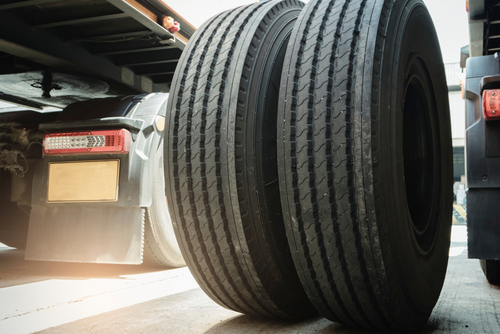
Tire maintenance is crucial all year round, but it becomes even more essential during winter when roads are often icy and slippery. Ensuring proper tire maintenance involves checking the tire pressure regularly, examining the tread depth, and inspecting for any signs of damage. Neglecting these aspects can lead to decreased traction and stability, increasing the risk of accidents. Bald tires can lose their grip on icy surfaces, causing vehicles to slide or spin out of control. On the other hand, over or under-inflated tires can reduce fuel efficiency and wear out more quickly. Inspecting and maintaining tires before winter not only enhances safety but also prolongs their lifespan.
Electrical Systems:
The electrical systems of vehicles and machines are responsible for various functions, including starting the engine, powering lights, and controlling various components. Neglecting to inspect and maintain electrical systems can lead to numerous problems, especially during winter. Ensure that the battery is fully charged, clean the terminals, and inspect the wiring for any frayed or damaged areas. Cold temperatures can reduce the battery’s performance, and a weak or dead battery can leave you stranded in freezing conditions. Faulty electrical connections can also cause malfunctions or failures of various components, affecting the overall performance of the vehicle or machine.
Potential Risks of Neglecting Maintenance:
Neglecting the inspection and maintenance of these critical components before winter can lead to several risks. Firstly, there is an increased risk of breakdowns and downtime, resulting in delays and productivity losses. This is particularly detrimental in sectors relying on heavy machinery and equipment, where even a minor breakdown can halt operations, leading to financial losses.
Secondly, neglecting maintenance can pose serious safety hazards. For example, an engine failure during freezing temperatures can leave you stranded and exposed to extreme cold, risking health and well-being. Furthermore, faulty hydraulic systems can cause accidents or injuries due to sudden malfunctions or loss of control. Similarly, inadequate tire maintenance increases the risk of accidents on icy or slippery roads, endangering lives and causing property damage.
Lastly, neglecting maintenance can lead to costly repairs. Ignoring small issues or signs of wear and tear can escalate problems and cause further damage to components, which could have been easily prevented with routine inspections. Additionally, failure to maintain the mentioned components may void warranties or insurance coverage, further exacerbating the financial burden of repairs or replacements.
Summary
Before winter arrives, it is essential to inspect and maintain key components such as engines, hydraulic systems, tires, and electrical systems. Neglecting these areas can lead to various risks, including breakdowns, safety hazards, and expensive repairs. Investing time and effort into heavy equipment maintenance now can save you from the headaches and costs associated with compromised performance, accidents, and unplanned downtime in the long run.
Need Heavy Equipment Repair in Lexington, OR?
Bailey Heavy Equipment Repair, Inc. is a family-owned and -operated heavy-duty equipment repair service based in Lexington, Oregon since 1984. We specialize in providing for all of your equipment repair needs, whether it’s farm equipment, utility equipment, trucks, cylinders, or something else entirely. We offer ANSI Inspections and Dielectric testing, field repair and on-site repair, line boring services, welding, machining, hose assemblies, steel sales, and other machine products. Give us a call today for more information!
In recent years, the heavy equipment industry has experienced tremendous growth due to increased construction projects and industrialization around the world. However, with this growth comes a set of challenges that the industry must overcome. This blog post will explore some of the biggest challenges facing the heavy equipment industry today and discuss possible solutions for a more sustainable and efficient future.
High Upfront Costs and Capital Investment
One of the biggest challenges in the heavy equipment industry is the high upfront costs associated with purchasing and maintaining heavy machinery. Construction companies and contractors typically need to make significant capital investments to acquire the necessary equipment, such as excavators, bulldozers, and cranes. These costs can be a barrier to entry for new businesses or even hinder expansion for existing ones.
To address this challenge, companies can explore alternative financing options, such as renting or leasing equipment instead of purchasing it outright. Additionally, investing in technology that improves overall equipment efficiency and reduces fuel consumption can result in substantial long-term savings.
Increasing Environmental Concerns and Regulations
Environmental concerns surrounding heavy equipment, especially in terms of their carbon emissions and impact on air quality, have become a significant challenge for the industry. Governments and environmental organizations are increasingly imposing stricter regulations on emissions standards, noise levels, and fuel consumption. Compliance with these regulations can be costly and time-consuming for manufacturers and end-users.
To meet these challenges head-on, heavy equipment manufacturers need to invest in research and development to create more sustainable machinery. This includes exploring alternative fuel sources, incorporating hybrid technologies, and utilizing advanced emission control systems. By doing so, the industry can reduce its environmental footprint and comply with evolving regulations.
Skilled Labor Shortage
Another pressing challenge in the heavy equipment industry is the shortage of skilled labor. As the industry grows, there is a rising demand for trained technicians and operators who can effectively operate and maintain heavy machinery. However, there is a significant gap between the available workforce and the skills required for these specialized roles.
To address this challenge, it is crucial for industry stakeholders to collaborate with educational institutions and vocational schools to develop training programs that equip individuals with the necessary skills. Companies can also offer apprenticeship programs to attract and retain talent, providing on-the-job training and mentorship opportunities.
Rapid Technological Advancements
While technology advancements can bring significant benefits to the industry, they also present challenges. The heavy equipment industry is constantly evolving, with new technologies being introduced regularly. This rapid pace of change can make it difficult for companies to keep up or integrate new technologies seamlessly into their operations.
To overcome this challenge, companies should invest in regular training and development programs for their employees. Staying abreast of technological advancements and actively adopting innovative solutions can help businesses remain competitive and efficient. Collaboration with technology providers can also aid in ensuring smooth integration and implementation of new technologies.
Maintenance and Downtime
Maintaining heavy equipment can be a significant challenge for companies, as breakdowns and unplanned downtime can be costly and disrupt project timelines. Regular maintenance and servicing are essential to ensure equipment longevity and minimize downtime. However, coordinating maintenance schedules and managing a fleet of machinery can be complex and time-consuming.
To tackle this challenge, investing in predictive maintenance technology can be beneficial. By utilizing sensors and data analytics, companies can monitor and predict equipment failures before they occur, allowing for proactive maintenance and reducing unplanned downtime.
Conclusion
The heavy equipment industry faces several challenges that demand proactive solutions to ensure sustainable growth and competitiveness. From high upfront costs and environmental concerns to skilled labor shortages and technological advancements, these challenges require collective efforts from manufacturers, end-users, and industry stakeholders.
By embracing alternative financing options, investing in sustainability and innovation, and addressing labor shortages through training programs, the heavy equipment industry can navigate these challenges successfully. By doing so, the industry will be well-positioned for a more efficient and sustainable future.
Got Questions? Let Us Help!
Bailey Heavy Equipment Repair, Inc. is a family-owned and -operated heavy-duty equipment repair service based in Lexington, Oregon since 1984. We specialize in providing for all of your equipment repair needs, whether it’s farm equipment, utility equipment, trucks, cylinders, or something else entirely. We offer ANSI Inspections and Dielectric testing, field repair and on-site repair, line boring services, welding and machining, hose assemblies, steel sales, and other machine products. Give us a call today for more information!