The picturesque scenery and arid climate of Lexington, Oregon make it a beautiful place to live and work, but for heavy equipment operators and construction professionals, the region’s dusty summer months pose a serious threat to machinery. Dry, dusty environments are a nightmare for engines and mechanical systems, especially in rugged industries such as construction, mining, and agriculture. With the right dust control and air filtration strategies, however, you can dramatically extend the life of your equipment and protect your investments.
Dust control and air filtration protecting heavy equipment engines isn’t just about extending engine life—it’s about maintaining peak performance, reducing downtime, and cutting operational costs. Lexington summers, often hot and dry, create perfect storm conditions for airborne particles to infiltrate and damage engine components. Fortunately, through a combination of proactive maintenance and smart filtration choices, businesses can stay ahead of dust-related engine issues and keep their heavy equipment in prime condition year-round.
Dust and Its Impact on Heavy Equipment Engines
Dust may seem like a harmless annoyance, but it is one of the most pervasive and damaging elements for any mechanical system. In Lexington, OR, summer brings relentless winds and dry spells that send clouds of fine dust into the air, often invisible to the naked eye. This fine particulate matter has a remarkable ability to infiltrate engine compartments, lodge into filters, and abrade internal components.
Heavy equipment engines are particularly vulnerable because they rely on precise tolerances and clean air intake systems to function efficiently. When dust enters an engine’s air intake, it accelerates wear on components like cylinders, pistons, valves, and bearings. Over time, this contamination leads to increased oil consumption, decreased compression, loss of power, and ultimately, engine failure.
The risks are amplified during Lexington summers, when extended hours of operation and dry conditions push engines to their limits. Whether you’re operating excavators, loaders, tractors, or bulldozers, without rigorous air filtration and dust control protocols, you’re effectively reducing the service life of your equipment every time you start the engine.
Why Air Filtration is Crucial in Lexington’s Dusty Climate
Air filtration in heavy equipment serves as the first line of defense against dust intrusion. A high-quality air filter traps airborne contaminants before they enter the engine, maintaining a clean and stable airflow essential for combustion. The key is using filters specifically designed to handle high-dust environments like those found during Lexington summers.
Selecting the best air filters for heavy equipment in dusty conditions, Oregon operators must look for models rated for extreme environments. These often feature multi-stage filtration systems that include a primary and secondary filter. The primary filter captures large particles, while the secondary ensures any remaining microscopic debris is caught before reaching the engine.
Regular inspection and replacement of air filters are just as important as the filters themselves. Even the best filter becomes ineffective when clogged. Operators should adopt a strict maintenance schedule during the peak summer months, ensuring filters are checked daily and replaced as needed to prevent airflow restriction and engine strain.
Beyond traditional filters, pre-cleaners and centrifugal air filtration systems can be added to heavy equipment to enhance dust separation. These systems use inertial forces to spin out dust before it even reaches the filter element, dramatically extending filter life and reducing maintenance demands.
Dust Control Strategies on Job Sites: Minimizing Exposure
In addition to optimizing air filtration, dust control on the job site plays a pivotal role in protecting heavy equipment. Effective dust control reduces the volume of airborne particles, thereby lowering the amount of dust that filters need to handle and minimizing exposure for both equipment and operators.
Water trucks, misters, and chemical suppressants are commonly used to keep dust levels down on active job sites. In Lexington, where water resources may be limited in summer, targeted application of dust suppressants to high-traffic areas can be especially effective. Graveling access roads, reducing vehicle speeds, and rotating site traffic patterns can also help reduce dust generation.
Another key aspect of dust control involves careful planning and preparation. Clearing and grading activities should be scheduled during cooler parts of the day when winds are typically lower. Additionally, barriers such as fencing or vegetation windbreaks can shield sites from prevailing winds, further reducing dust spread.
Employing a site-specific dust control plan not only improves working conditions but also preserves your heavy equipment’s performance. By attacking the problem at its source, you significantly cut down on the dust load your filtration systems need to handle, resulting in less wear and longer equipment life.
Best Practices: How to Prevent Dust Damage to Heavy Equipment Engines in Lexington, OR
Preventive maintenance and proactive monitoring are at the heart of effective dust control and air filtration strategies. To truly understand how to prevent dust damage to heavy equipment engines, Lexington, OR operators must view maintenance as a continuous cycle rather than a reactive response.
Daily pre-operation checks are non-negotiable in dusty environments. These checks should include visual inspections of air filters, seals, engine compartments, and intake ducts. A simple tear in an intake hose or a loose seal can allow dust to bypass filtration systems entirely, rendering even the best filters useless.
Oil analysis is another essential practice. By monitoring the oil for signs of silica and other abrasive contaminants, technicians can detect early signs of dust ingress and address the issue before engine damage becomes irreversible. Keeping detailed maintenance logs helps identify patterns and problem areas, allowing teams to make data-driven decisions.
Cabin air filters and HVAC systems should not be neglected either. Dust infiltration into operator cabins not only affects comfort but can damage sensitive electronics and reduce visibility if left unchecked. Ensuring sealed cabins and properly functioning ventilation systems adds another layer of protection, both for machines and operators.
When selecting equipment, look for models with enhanced sealing and filtration options. Modern machines often come with upgraded dust protection packages that include reinforced engine enclosures, pre-cleaners, and enhanced air intake routing designed to resist dust penetration.
Long-Term Value: Investing in Equipment Protection and Operational Efficiency
While some may view air filters and dust suppression efforts as additional expenses, the long-term savings from reduced downtime, lower repair costs, and extended engine life far outweigh the initial investment. Dust control and air filtration protecting heavy equipment engines is not a luxury—it is an operational necessity in environments like Lexington.
Operators who prioritize dust control strategies and invest in the best air filters for heavy equipment in dusty conditions, Oregon’s challenging climate, reap the rewards in equipment longevity and reliability. More uptime means more productivity, fewer emergency repairs, and increased project efficiency.
In a competitive industry where every dollar counts, protecting your assets should be a top priority. Smart filtration and dust control practices are proven, cost-effective methods to ensure your heavy machinery continues to perform at its best—even through the driest and dustiest Lexington summers.
Conclusion
Ultimately, the health of your heavy equipment reflects the health of your operations. By understanding the dangers of dust, investing in proper air filtration systems, implementing site-wide dust control strategies, and embracing preventive maintenance, you set the foundation for long-term success. Lexington may bring its share of summer challenges, but with the right preparation, your engines will remain strong, clean, and ready to tackle whatever comes next.
When managing a fleet of heavy equipment in places like Oregon, it is essential to prioritize consistent equipment maintenance and inspections to ensure machinery operates at peak performance. Heavy equipment, from bulldozers and excavators to cranes and loaders, forms the backbone of numerous industries, including construction, mining, and agriculture. With their high initial investment and critical role in daily operations, the cost of an unexpected breakdown can be staggering. Regular inspections play a vital role in preventing costly heavy equipment breakdowns by identifying potential issues early on, ultimately saving money and reducing downtime. In this blog post, we will explore the importance of regular inspections, how they contribute to preventing breakdowns, and why a solid maintenance strategy is essential for businesses in Oregon, including places like Lexington, OR.
The Importance of Daily Equipment Inspections
Heavy equipment inspection is an integral part of any successful fleet management strategy, particularly when operating in demanding environments such as Oregon. The nature of heavy machinery means that small problems can quickly escalate into significant failures if not detected and addressed in a timely manner. While preventive maintenance is vital, daily equipment inspections act as the first line of defense against unforeseen issues. These inspections allow operators to identify and address potential problems before they become costly repairs.
In Oregon, where environmental conditions can vary greatly, daily inspections become even more critical. The state’s frequent rain, fluctuating temperatures, and diverse terrain can accelerate wear and tear on equipment, making it essential for operators to check key components such as hydraulic systems, engine conditions, and tire pressure. By focusing on daily inspections, fleet managers can ensure that all equipment is operating safely and efficiently, helping prevent costly breakdowns that may otherwise be avoided.
How Regular Inspections Prevent Breakdowns
Preventing breakdowns is not just about repairing existing issues—it’s about identifying and addressing potential problems before they disrupt operations. Regular heavy equipment inspections are crucial for detecting issues that might not be immediately visible during normal use. Through detailed inspections, technicians can identify worn-out parts, leaking fluids, misaligned components, or faulty electrical systems that could lead to malfunctions if left unchecked.
In Oregon, where unpredictable weather conditions and rough terrain are common, regular inspections become even more critical. Rain, snow, and mud can accelerate the deterioration of equipment, especially in areas like Lexington, OR, where heavy machinery is often used in rugged environments. By performing regular inspections, operators and fleet managers can catch problems early, such as cracks in hydraulic hoses or signs of excessive rust on metal surfaces, which could potentially lead to a breakdown if ignored. Addressing these issues proactively can prevent significant damage and extend the lifespan of the equipment, ultimately reducing the overall cost of ownership.
Establishing a Comprehensive Heavy Equipment Inspection Checklist
A thorough heavy equipment inspection checklist is an invaluable tool for maintaining the longevity of your fleet and preventing unnecessary breakdowns. The checklist should cover every critical aspect of the equipment, including but not limited to engine components, hydraulic systems, tires, and electrical systems. In Oregon, where the environmental factors can place additional stress on machinery, it is essential that inspections are comprehensive and tailored to address specific regional concerns, such as corrosion from exposure to rain or debris buildup from working on rough terrain.
For instance, operators in areas like Lexington, OR, where dust and dirt are prevalent, should focus on checking air filters, fuel filters, and cooling systems regularly. Additionally, parts that are more likely to wear down quickly, such as belts, hoses, and tires, should be scrutinized during each inspection. Establishing a well-documented checklist that is consistently followed helps ensure that no part of the equipment is overlooked and provides a baseline for maintenance schedules and tracking performance.
The Role of Fleet Maintenance in Preventing Costly Breakdowns
A well-structured fleet maintenance program plays a pivotal role in preventing costly heavy equipment breakdowns, especially in industries that rely heavily on machinery in areas like Oregon. Regular inspections are just one piece of the puzzle—effective fleet maintenance involves creating a schedule that outlines routine tasks, such as oil changes, fluid checks, and part replacements, in addition to regular inspections. When fleet maintenance is done consistently and thoroughly, the likelihood of encountering costly and disruptive breakdowns decreases significantly.
In Oregon, fleet maintenance is crucial to protect against external factors that might accelerate equipment wear. For example, equipment used in logging or construction projects in rugged regions like Lexington, OR, might be subject to extreme pressure from both physical stress and environmental elements. A solid fleet maintenance program ensures that necessary repairs are made in advance, and components are replaced as needed before they have a chance to fail. This proactive approach can prevent issues that would otherwise lead to unscheduled downtime and expensive repairs.
Moreover, keeping detailed records of inspections and maintenance work allows fleet managers to track the health of each piece of equipment. This data can help identify trends, such as recurring issues with specific parts or machines, which can inform future purchasing or maintenance decisions.
Long-Term Benefits of Regular Inspections for Oregon Businesses
For businesses in Oregon, the role of regular heavy equipment inspections cannot be overstated. Regular inspections not only help prevent costly breakdowns but also contribute to the long-term success of operations by improving safety, efficiency, and compliance with regulations. In a state where many industries rely on heavy equipment for day-to-day operations, ensuring that all machinery is in optimal condition is key to maintaining productivity and meeting project deadlines.
In addition to preventing breakdowns, regular inspections can also lead to cost savings in terms of fuel efficiency. Well-maintained equipment tends to perform more efficiently, using less fuel and reducing operational costs. Moreover, by extending the lifespan of heavy machinery, businesses can avoid the hefty capital costs associated with purchasing new equipment prematurely.
Furthermore, keeping equipment in top condition helps maintain a positive reputation for businesses. In industries like construction, where equipment downtime can directly impact project timelines, ensuring that heavy equipment is operational and reliable can improve customer satisfaction and the ability to win future contracts.
Conclusion
The role of regular inspections in preventing costly heavy equipment breakdowns is clear. For businesses in Oregon, including those in areas like Lexington, OR, the benefits of regular inspections far outweigh the risks of neglecting equipment maintenance. Not only do these inspections help identify issues before they escalate, but they also contribute to improved efficiency, safety, and cost savings. By establishing a comprehensive inspection checklist, investing in fleet maintenance, and prioritizing daily equipment checks, businesses can protect their investments, minimize costly repairs, and keep their operations running smoothly.
As winter melts away and spring settles in, construction sites across Oregon start gearing up for the busy season ahead. The spring thaw brings with it challenges and opportunities for construction crews, particularly when it comes to preparing heavy equipment for the demanding months of work. The combination of thawing ground, rising temperatures, and the impending rainstorms requires contractors to be proactive in ensuring their machinery is in peak condition. This article will explore the significance of spring thaw heavy equipment preparation, what to expect from Oregon’s unique environment, and the best practices for making sure your equipment is ready to perform when needed most.
The Impact of Spring Thaw on Construction in Oregon
Spring thaw is an annual phenomenon where the frozen ground begins to soften and melt as temperatures rise. For construction projects in Oregon, this period marks a shift from winter conditions to the beginning of the peak construction season. However, the thaw can have both positive and negative effects on construction sites, particularly on heavy equipment.
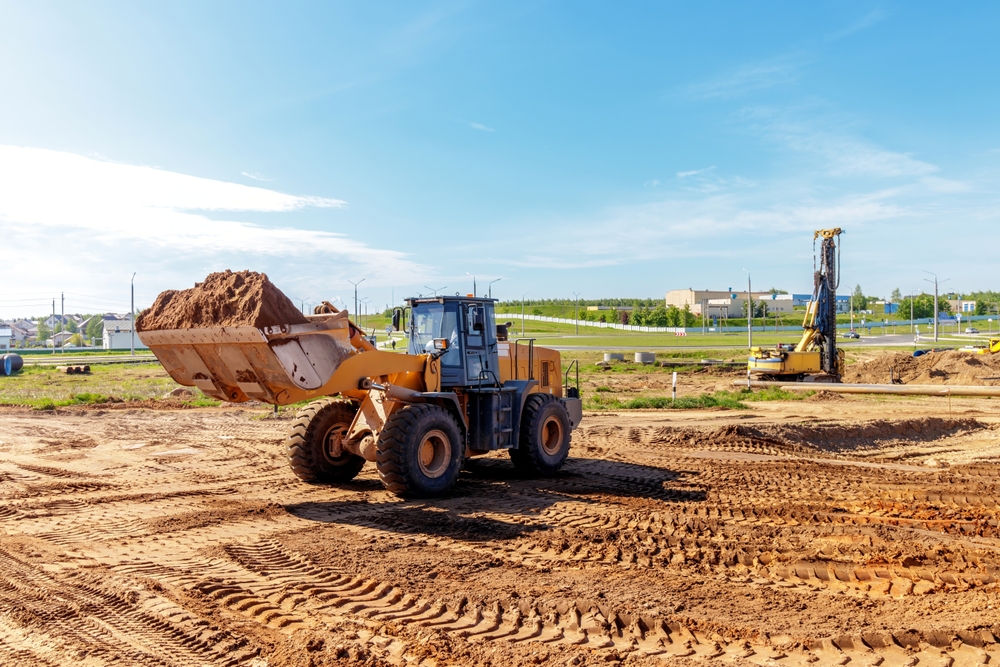
In Oregon, where diverse terrain and weather patterns reign, the spring thaw often causes the soil to become saturated, turning construction sites into mud-laden challenges. This can significantly affect the performance of construction equipment, including excavators, bulldozers, and cranes. Heavy machinery can struggle to operate effectively on soft, unstable ground, and the risk of bogging down increases as the moisture content in the soil rises.
Additionally, heavy rainfalls typical of Oregon’s spring months can exacerbate the challenges posed by the thaw. This leads to construction delays, downtime, and the potential for equipment failure if machines are not adequately prepared for the season’s demands. It’s critical for contractors to take the right precautions early on to ensure that their equipment can handle the terrain and weather conditions without compromising safety or efficiency.
Importance of Heavy Equipment Preparation Before the Construction Season
Proper heavy equipment preparation is vital for minimizing disruptions caused by the spring thaw. As the temperatures shift and moisture content in the soil changes, it is essential for contractors to perform routine maintenance and address any potential mechanical issues in advance. Not only will this help avoid costly breakdowns, but it also ensures that the equipment can operate at its highest capacity during the crucial construction months ahead.
The spring thaw is unpredictable in its duration and intensity, making it difficult to determine exactly when the ground will soften enough to affect construction operations. However, proactive preparation allows contractors to stay ahead of potential delays. By ensuring equipment is functioning at its best before the thaw begins, crews can avoid wasting time on last-minute repairs or addressing issues that could have been prevented with proper preparation.
Before beginning any work, it’s critical to inspect each piece of machinery thoroughly. This includes checking for potential issues such as worn-out tires, hydraulic leaks, and engine problems. Special attention should be given to the undercarriages of bulldozers and excavators, as these components can accumulate mud and debris during wet conditions, leading to breakdowns if not cleaned properly. Additionally, the fuel and fluid levels should be checked, as machinery needs ample lubrication and the right fuel mixture to function optimally in varying weather conditions.
Best Practices for Heavy Equipment Maintenance During the Spring Thaw
As Oregon enters the spring thaw, contractors should consider implementing a range of best practices to ensure their heavy equipment stays operational and ready for use throughout the construction season. Routine inspections and targeted maintenance are the foundation of successful equipment preparedness.
One of the most crucial tasks is to ensure that tires and tracks are in excellent condition. Construction equipment, especially those used on soft or muddy terrain, depends on durable, well-maintained tires or tracks to prevent slipping and sinking. Before the spring thaw, contractors should inspect tire pressure and track tension to avoid any issues once the ground softens. For machinery with tracks, it’s also essential to check for any cracks or damage that could cause further complications during operation.
Regular lubrication is another essential aspect of preparing equipment for the spring thaw. Over time, machines endure significant wear and tear, and lubrication helps reduce friction, preventing premature wear of mechanical parts. Ensuring that all moving parts are properly lubricated helps reduce the risk of machinery breaking down in the middle of critical operations. Additionally, hydraulic systems should be checked to confirm there are no leaks and that the fluid levels are optimal, as hydraulic failure is a common cause of construction delays.
Another important consideration is the fuel and fluid system. Cold temperatures from the winter season may have affected the quality of fuel and oil in the equipment. Contractors should drain any old or contaminated fuel and replace it with fresh, high-quality fuel that is suited to the spring weather. This helps avoid performance issues and ensures the machines can work without interruption during the thaw and rainy seasons.
It’s also wise to keep a close eye on the electrical systems of the equipment. Spring rains, moisture, and humidity can affect electrical components, particularly if there are any exposed wires or connections. Inspecting the electrical system will prevent issues such as short circuits, which could halt machinery mid-project. By checking these systems before beginning operations, contractors can ensure the reliability of their equipment during the unpredictable spring thaw.
Addressing the Challenges of Muddy and Wet Construction Sites
Oregon’s spring thaw typically brings a combination of wet soil and persistent rainfall, which creates a challenging environment for construction workers and machinery. Muddy sites can lead to delays, particularly if heavy machinery becomes bogged down or stuck in the wet ground. However, contractors can take several steps to address these challenges and minimize downtime during the spring thaw.
One of the first measures to consider is site preparation. This involves reinforcing areas where machinery will operate with gravel or other base materials to prevent equipment from sinking into the mud. Contractors should also consider using mats or temporary roadways to provide a solid surface for heavy equipment to traverse. This not only prevents the machinery from becoming stuck but also helps to maintain the integrity of the construction site.
Additionally, proper planning for rain events is essential. Oregon is known for its unpredictable and frequent rainfall, which can cause construction sites to become saturated with water. Preparing for rainstorms by using drainage solutions, such as ditches or pumps, can help divert water away from the site and prevent flooding. This proactive approach will reduce the likelihood of water pooling in critical areas, which could otherwise cause delays and require extensive cleanup.
One of the most important considerations when operating heavy machinery in muddy conditions is the safety of workers. With wet and slippery surfaces, the risk of accidents increases. Contractors should reinforce safety protocols by ensuring that workers are properly trained in how to handle machinery in challenging conditions. Furthermore, it’s essential to monitor soil conditions closely and adjust operations as needed to avoid accidents related to ground instability.
Navigating Oregon’s Construction Season: Staying Ahead of Potential Delays
Oregon’s construction season can be unpredictable, with the spring thaw often signaling the beginning of a busy few months. However, with proper heavy equipment preparation and proactive planning, contractors can minimize the risk of delays caused by weather and ground conditions. By focusing on equipment maintenance, ensuring safety protocols are in place, and preparing the site for muddy or wet conditions, contractors can set their projects up for success.
As the ground thaws and construction ramps up, there’s no room for last-minute repairs or poor planning. Being prepared for the spring thaw not only ensures that heavy equipment will function smoothly but also helps teams stay ahead of the weather-related challenges that often disrupt construction timelines. Whether it’s anticipating the impact of spring rains or reinforcing machinery to handle the muddy terrain, each step taken during the early stages of the thaw will contribute to a more efficient and successful construction season in Oregon.
Conclusion
By implementing these strategies, contractors can confidently face the challenges that the spring thaw brings and navigate Oregon’s construction season with minimal disruption. The key to success lies in preparing ahead of time, maintaining equipment properly, and staying adaptable to changing conditions. With the right approach, Oregon’s construction projects can move forward smoothly, despite the unpredictable nature of spring weather.
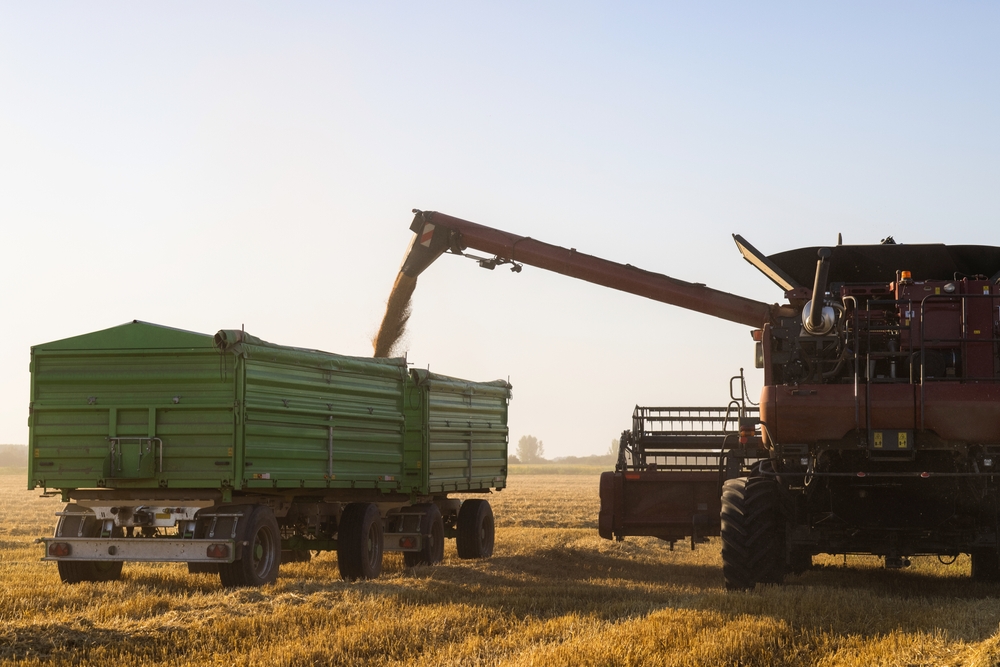
As summer approaches, farmers across Oregon and beyond are gearing up for the busy harvest season. The summer months bring long days of hard work in the fields, and the success of this period often hinges on the reliability of farm equipment. Heavy machinery, such as tractors, combines, and harvesters, are vital to getting crops from the field to the barn or market. However, like any other machinery, these tools require regular maintenance to ensure peak performance during critical moments. Preparing farm equipment for the summer harvest season is essential not just for efficiency, but for the safety of workers and the longevity of the equipment.
The Importance of Seasonal Equipment Maintenance
Before the summer harvest begins, it’s essential to recognize the importance of proper equipment maintenance. When it comes to preparing farm equipment for summer harvest, Oregon farmers—like others in agricultural regions—must ensure that their machines are running smoothly to avoid costly downtime during peak periods. Every piece of equipment is an investment, and neglecting its maintenance can lead to severe problems like engine failure, broken parts, or even accidents in the field.
With the right preventative maintenance, farm equipment can handle the demands of the harvest season. By addressing potential issues in advance, farmers can avoid breakdowns that could otherwise delay or halt harvest activities, causing both financial losses and logistical headaches. Just as farmers spend hours perfecting their crops, so too should they dedicate time to the upkeep of the tools that will bring those crops in. By maintaining farm equipment, they maximize productivity and maintain safe working conditions.
Inspecting and Servicing Engines
One of the first places to start when preparing farm equipment for summer harvest is with the engines. During the off-season or before the busy months, dust, dirt, and debris can accumulate in engine compartments, causing blocks in air and fuel flow or overheating. A proper inspection of the engine’s condition will go a long way toward preventing failure when it’s needed most.
The first step is to check the oil levels and quality. Old oil can lead to engine wear and poor performance, so replacing or topping off the oil as necessary will ensure smooth operation. Likewise, the air and fuel filters need to be checked and replaced if they are clogged or worn out. Clogged filters can reduce the engine’s efficiency and potentially cause engine failure, so it’s critical to check these parts before heading into harvest. Inspecting and cleaning radiator fins is also important to prevent overheating. This may seem like a small task, but neglecting it can lead to significant issues in the field when the machinery is under heavy stress.
Checking belts and hoses for signs of wear and tear is another essential part of engine maintenance. Look for cracks, fraying, or leaks, and replace any parts that show significant signs of damage. Keeping a watchful eye on the engine’s performance now can prevent small issues from turning into catastrophic failures.
Examining and Preparing the Tires
Tires are another often-overlooked component of farm equipment maintenance. They play a critical role in the equipment’s ability to navigate rough fields, support heavy loads, and perform under strenuous conditions. Before embarking on the summer harvest, farmers should thoroughly inspect all tires, including those on tractors, combines, and harvesters.
Start by checking tire pressure. Overinflated or underinflated tires can lead to uneven wear, reduced fuel efficiency, and poor traction on uneven terrain. The correct tire pressure varies depending on the type of equipment, so refer to the manufacturer’s specifications for the appropriate PSI (pounds per square inch). When checking for wear, farmers should pay close attention to any bulging, punctures, or cracks that could lead to blowouts during the harvest. If tires show significant signs of wear, it’s wise to replace them ahead of time.
In addition to inspecting for wear and pressure, it’s crucial to lubricate moving parts like axles, hubs, and bearings. This will help ensure that tires rotate smoothly and reduce the risk of friction-induced breakdowns during the harvest. Ensuring that the tires are in optimal condition will reduce downtime and help machinery function at its best in demanding harvest conditions.
Calibrating and Testing Harvesting Equipment
While engine performance and tire conditions are crucial, it’s also essential to inspect and calibrate harvesting equipment. Whether it’s a combine harvester, a hay baler, or other specialized machines, these pieces of equipment require precise calibration to ensure they work efficiently. Miscalibrated harvesting equipment can lead to poor crop yields, wasted resources, and equipment malfunctions.
Start by inspecting the cutting blades and harvesting mechanisms. For combines, check the reel and auger system for any loose components or worn-out parts. This includes inspecting belts and chains for tension and ensuring the threshing system is working at full capacity. Misalignment in cutting parts can slow down the harvesting process and lead to incomplete or inefficient crop collection.
It’s also important to test the electrical and hydraulic systems of the equipment. These systems control critical functions, such as lifting, lowering, and other operational movements. Checking for leaks, low fluid levels, and worn-out seals can prevent issues that would require time-consuming repairs during the harvest. Keep the hydraulic and fuel systems flushed and topped off, especially before starting heavy operations.
Additionally, inspect all safety equipment, including warning lights, backup alarms, and seat belts. Ensuring that all safety features are functional is not only a legal obligation but a necessary part of keeping workers safe during the intense and often physically demanding harvest season.
Safety Considerations and Final Preparations
Before any farm equipment is put to work in the field, it’s essential to conduct a final round of safety checks. Farm accidents can have severe consequences, so addressing safety issues before the harvest season begins can protect both workers and equipment. A full safety inspection should cover the farm equipment as well as the working environment.
Make sure all equipment is equipped with the necessary protective gear, such as fire extinguishers, first aid kits, and reflective warning signs. Properly trained workers are just as essential to a safe harvest as the machinery they operate. Ensure that all operators are familiar with the equipment’s features, and provide necessary training if needed.
Additionally, ensure that the working environment is as safe as possible. Clear any obstructions or hazards that could damage equipment or cause accidents. Ensure proper lighting is in place, especially if harvesting will continue into the evening or night, as visibility can be limited in large fields. Having a plan in place for emergencies and ensuring clear communication throughout the harvest season will help mitigate risks associated with farm equipment operation.
Conclusion
As you approach the summer harvest season, preparation is key. By focusing on maintenance, safety, and calibration, you can ensure that your equipment is ready to handle the demands of harvesting and transporting crops. Taking the time to inspect and prepare farm equipment not only protects your investment but helps ensure a smoother, more productive season in the fields. So, whether you’re working in Oregon or elsewhere, investing in farm equipment upkeep will keep your machinery in top shape for a successful harvest season ahead.
In fast-paced industries, forklifts are essential to keeping productivity high and operations running efficiently. However, when a forklift malfunctions, it can quickly disrupt workflows and cause costly delays. Specialized forklift care, which includes routine maintenance and timely repairs, is crucial to preventing breakdowns and ensuring a safe and efficient workplace. In this blog, we’ll explore the essentials of forklift repair, hydraulic systems, battery maintenance, and tips on finding reliable “forklift repair and maintenance near me.”
The Importance of Forklift Maintenance
Regular maintenance of forklifts is an investment that pays off in multiple ways. Well-maintained forklifts operate smoothly, reduce the risk of accidents, and have a longer service life. Forklift repair and maintenance isn’t just about fixing a machine when it breaks down; it’s about preventing issues before they arise, leading to significant cost savings.
A well-maintained forklift is also more efficient, which means that it can handle loads better and faster. It reduces strain on operators and makes the overall workflow smoother. Let’s dive into some specific areas where specialized care can make a big difference.
Common Forklift Issues That Require Attention
Forklifts are robust machines designed for heavy-duty tasks, but they can still encounter various issues. Some common problems that frequently require maintenance include:
Hydraulic system issues: Leaks, blockages, or wear in hydraulic lines can affect lifting and lowering functions.
Battery problems: Poorly maintained batteries can lead to power loss and operational inefficiency.
Brake issues: Worn-out brakes can lead to unsafe working conditions and reduced control.
Tire wear and tear: Tires experience significant wear and need regular checks for cracks and bald spots.
Identifying and addressing these issues before they become serious problems is essential for maintaining forklift efficiency and longevity.
Essential Forklift Repair and Maintenance Practices
Specialized forklift repair and maintenance involve a range of practices that ensure the machine’s reliability, safety, and productivity. Here are some key areas to focus on:
1. Forklift Hydraulic Repair
Hydraulics play a central role in a forklift’s operation, enabling the vehicle to lift and lower heavy loads with precision and control. If the hydraulic system fails, your forklift’s core function is compromised, leading to potential safety hazards and operational delays.
Common Hydraulic Issues
Hydraulic issues can arise from leaking seals, cracked hoses, low hydraulic fluid levels, and worn-out valves. These can reduce the machine’s ability to lift loads or cause erratic lifting behavior. Some symptoms of hydraulic issues include unusual noises, slower lifting speeds, and visible fluid leaks.
Regular Hydraulic Maintenance
Regular checks and maintenance of the hydraulic system are essential to keeping your forklift in peak condition. Here are a few tips for forklift hydraulic repair and maintenance:
Inspect hoses and seals: Look for any signs of wear, cracks, or leaks, especially at the seals and connection points.
Check hydraulic fluid levels: Low fluid levels can cause system strain and eventually lead to breakdowns.
Flush and replace hydraulic fluids: Dirt and contaminants in hydraulic fluid can lead to clogging, so replace fluids periodically.
Examine lifting and lowering speed: Any change in speed could indicate issues with the hydraulic system.
Forklift hydraulic repair should be conducted by professionals experienced in forklift mechanics to ensure the repair process is safe and effective.
2. Forklift Battery Maintenance
A forklift battery that is not properly maintained can lose power quickly, resulting in decreased performance and even unexpected shutdowns. Battery maintenance is crucial to ensuring that the forklift has a reliable power source and operates efficiently throughout its working shift.
Extending Battery Life
Battery maintenance involves more than just recharging the battery at the end of each shift. Here are some best practices for forklift battery maintenance:
Monitor electrolyte levels: Checking and adjusting electrolyte levels in the battery prevents overheating and extends battery life.
Follow proper charging practices: Overcharging or undercharging can reduce a battery’s lifespan. Make sure to follow the manufacturer’s guidelines for charging.
Clean battery terminals: Corroded terminals can affect power flow. Cleaning them regularly helps ensure efficient power delivery.
Equalize batteries periodically: Equalizing the battery helps balance the cells, which prolongs battery life.
Forklift battery maintenance is critical to reducing downtime and enhancing productivity. Operators should be trained to recognize warning signs of battery problems, such as sluggish performance or charging issues.
3. Tire Maintenance and Replacement
Tires are another critical component that directly affects forklift stability, handling, and safety. Damaged or worn-out tires can make forklifts challenging to control, increasing the risk of accidents.
Identifying Tire Wear
Forklift tires are subjected to constant stress and often wear out faster than standard vehicle tires. Key indicators that a forklift tire needs replacement include:
Bald spots or chunks: Missing chunks in the tire tread reduce grip and can lead to slippage.
Excessive wear: Worn-down treads make the forklift less stable and can affect load-handling capabilities.
Visible cracks: Cracked tires are a clear sign that the tire is weakened and needs replacement.
Tips for Tire Care
Maintaining tires includes regular inspections and rotating them to ensure even wear. Forklift tires are specialized and differ based on the type of forklift and the operational environment. For instance, solid tires are often used in indoor settings, while pneumatic tires are ideal for outdoor use. Selecting the right tire type and monitoring its wear ensures better handling and longevity.
Finding Quality Forklift Repair and Maintenance Services Near You
Having access to reliable “forklift repair and maintenance near me” is essential to address issues promptly and keep your equipment in top shape. When looking for a service provider, there are several key factors to consider:
Qualifications and Expertise
Choose a provider with certified mechanics who are skilled in forklift repair and familiar with the specific make and model of your equipment. Specialized experience in forklift repair is crucial, especially for complex repairs like hydraulic systems and battery replacements.
Range of Services
A quality forklift repair service should offer a range of solutions, from routine maintenance to emergency repairs. They should be able to address hydraulic repairs, battery servicing, tire replacements, and more. Some providers even offer maintenance plans that allow you to budget for regular services.
Quick Response Time
Forklifts are essential to daily operations, so any downtime can affect productivity. Look for repair providers that can respond quickly and provide on-site service when needed. Many companies offer mobile repair services, allowing technicians to come to you instead of requiring you to transport the forklift.
Benefits of Specialized Forklift Care
Forklift care and maintenance have tangible benefits that extend beyond simply keeping the machine running. Here are some advantages of regular maintenance and repair:
Increased Efficiency and Productivity
A well-maintained forklift performs better, handles loads with ease, and operates smoothly. This efficiency translates directly to increased productivity, as operators can complete tasks faster and more effectively without having to deal with machine malfunctions.
Extended Equipment Lifespan
Investing in routine forklift care helps prevent minor issues from escalating into major problems that require expensive repairs or replacements. Regular maintenance significantly extends the lifespan of your equipment, maximizing your initial investment.
Enhanced Safety
Faulty forklifts can pose a safety risk to operators and nearby workers. Regular maintenance ensures that brakes, hydraulics, and other critical systems function correctly, creating a safer workplace. Equipment that meets safety standards reduces the risk of accidents, protecting both employees and company assets.
Cost Savings in the Long Run
Regular forklift repair and maintenance reduce the likelihood of unexpected breakdowns, which can be costly in terms of both repair fees and lost productivity. Preventative care lowers overall operational costs and minimizes the need for emergency repairs.
Best Practices for Forklift Operators
While specialized maintenance is essential, operators play a crucial role in maintaining forklift health. Training operators on proper use and encouraging them to perform daily checks can prevent minor issues from turning into major repairs. Here are some best practices for forklift operators:
Inspect daily: Conduct a quick inspection of key components like the tires, battery, and hydraulic system before each shift.
Report issues immediately: If an operator notices a problem, it should be reported right away to avoid further damage.
Follow load guidelines: Overloading a forklift can strain its components and lead to premature wear.
Conclusion
Specialized forklift care is essential to ensure that these critical machines operate efficiently, safely, and without interruptions. By focusing on key areas like hydraulic repair, battery maintenance, and tire care, companies can reduce downtime and extend the life of their forklifts. Finding reliable “forklift repair and maintenance near me” can make all the difference in keeping operations smooth and productive.
Prioritizing forklift repair and maintenance is an investment in both productivity and safety, keeping your operations running smoothly and helping you avoid costly repairs. Don’t wait for issues to arise; embrace proactive care and protect your bottom line.