Preventative Maintenance Checklist for Combines: How to Keep Your Equipment Running Smoothly
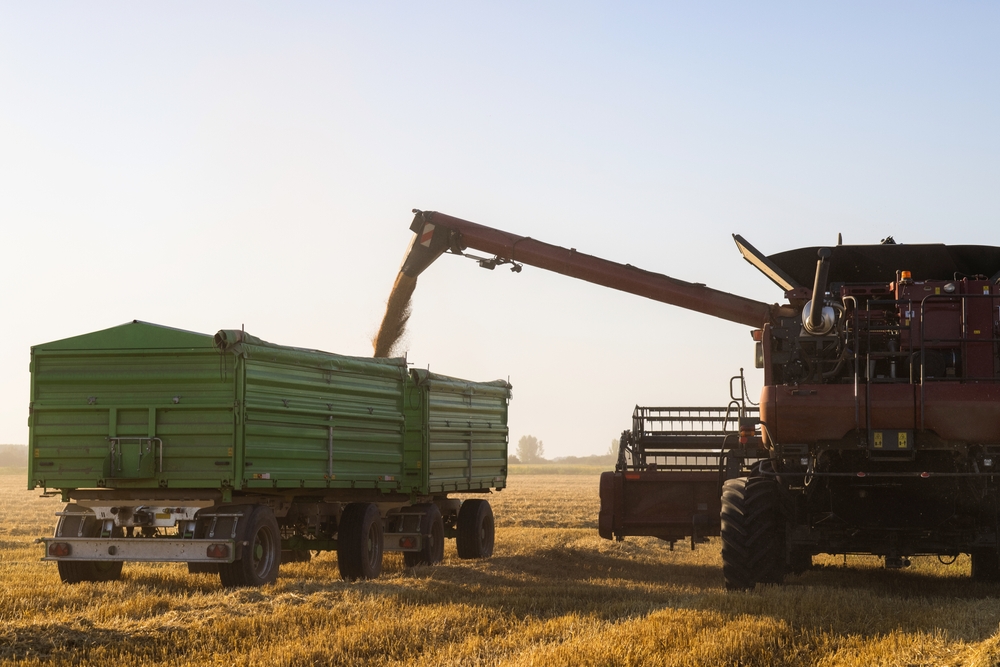
Harvest puts long hours, heavy dust, crop residue, and constant mechanical load on a combine. Around Lexington and the wheat-growing areas of Morrow County, a small maintenance problem can become expensive downtime when the machine is needed most.
A preventative maintenance checklist helps operators catch wear, leaks, buildup, loose components, and fluid issues before they interrupt harvest. The best routine combines daily inspections with scheduled maintenance based on the manufacturer’s recommendations. Pay especially close attention to the cooling system, air intake, belts, chains, bearings, hydraulics, feederhouse, threshing components, grain-handling system, and areas where dry crop material collects.
What local operators should know
-
Inspect and clean the combine regularly during harvest because dust, chaff, and dry crop residue can accumulate quickly.
-
Morrow County’s broad agricultural areas and extensive wheat production make dependable harvest equipment especially important during narrow operating windows.
-
Check fluid levels, hoses, belts, chains, bearings, filters, and cooling components before small problems turn into field breakdowns.
-
Operators working between Lexington, Ione, Heppner, and surrounding farms should keep commonly needed maintenance supplies available when practical.
-
Always follow the maintenance intervals, lubrication points, specifications, and safety procedures in the combine manufacturer’s manual.
Why Preventative Combine Maintenance Matters in Lexington
Preventative combine maintenance matters in Lexington because harvest equipment operates in a dry agricultural region where wheat, dust, chaff, heat, and long workdays can place substantial stress on mechanical and cooling systems. Regular inspections can help identify developing problems before they cause unplanned downtime during a critical harvest window.
The Oregon Secretary of State describes Morrow County as having more than one million acres of rolling plains and broad plateaus, with vast wheat fields across the central portion of the county. Agriculture also extends north toward Boardman and Irrigon, while the Blue Mountains and Umatilla National Forest shape the southern end of the region.
That landscape means combines may spend long days working far from a shop. A leaking hose, slipping belt, plugged cooling package, worn bearing, or damaged chain can quickly become more disruptive when a machine is already in the field.
Bailey Heavy Equipment Repair Inc serves equipment owners in the Lexington area. After that initial inspection at the machine, we can help identify repair needs that go beyond routine operator maintenance.
Local Data and Field Conditions to Consider
Local combine maintenance should account for Morrow County’s dry terrain, agricultural acreage, and significant wheat production. The Oregon Secretary of State identifies wheat fields as a major part of the county’s central agricultural zone, while irrigated farming becomes more prominent farther north toward the Columbia River.
For operators around Lexington and Ione, those conditions can translate into substantial dust and crop residue during harvest. Fine material can restrict airflow through screens and cooling components, collect around hot surfaces, and make leaks or damaged parts harder to see.
That is why cleaning should be treated as part of the inspection process, not simply as a cosmetic task.
Preventative Maintenance Checklist for Combines
A preventative maintenance checklist for combines should cover cleaning, lubrication, fluid levels, filters, belts, chains, bearings, hydraulics, cooling components, electrical systems, threshing components, and grain-handling parts. Operators should perform frequent walk-arounds while following the exact service intervals and procedures specified by the machine manufacturer.
Use this practical checklist before and during harvest:
-
Remove dust, chaff, straw, and crop residue from areas where material has accumulated.
-
Inspect the radiator, screens, coolers, and other cooling components for restricted airflow.
-
Check engine oil and other required fluid levels according to the operator’s manual.
-
Inspect hydraulic hoses, fittings, cylinders, and connections for leaks, rubbing, cracks, or damage.
-
Examine belts for cracking, glazing, fraying, improper tracking, or unusual looseness.
-
Check chains, sprockets, tensioners, and drives for wear and proper adjustment.
-
Inspect bearings for looseness, unusual noise, excessive heat, or other signs of deterioration.
-
Check engine and cab air filters and service them according to manufacturer guidance.
-
Inspect the fuel system and water separator, where equipped.
-
Check the feederhouse, header connections, guards, and drive components.
-
Inspect threshing and separating components for wear or damage.
-
Examine the grain tank, clean-grain system, elevators, augers, and unloading components.
-
Check tires or tracks for visible damage and proper condition.
-
Inspect wiring, connectors, batteries, lights, and sensors for obvious damage or looseness.
-
Lubricate all required grease points at the intervals listed by the manufacturer.
-
Verify that required guards and shields are installed before operation.
-
Confirm that fire extinguishers and other required safety equipment are accessible and ready for use.
Warning Signs Your Combine Needs Attention
Warning signs that a combine needs attention include new noises, excessive heat, leaks, reduced performance, repeated plugging, unusual vibration, slipping drives, and changes in grain handling. These symptoms should be investigated promptly because continued operation can sometimes damage additional components.
Watch for:
-
Hydraulic oil, coolant, fuel, or other fluid appearing beneath or on the machine.
-
Bearings or housings that seem unusually hot during a properly performed inspection.
-
New squealing, grinding, knocking, rattling, or scraping sounds.
-
Belts that slip, smoke, fray, or repeatedly move out of alignment.
-
Chains that jump, bind, run unevenly, or require frequent adjustment.
-
Cooling temperatures that rise beyond the machine’s normal operating range.
-
Unusual vibration from the header, feederhouse, threshing system, or drives.
-
Augers, elevators, or unloading components that operate inconsistently.
Around Lexington, stopping to investigate one of these symptoms can be far less disruptive than dealing with a disabled machine after it reaches a field farther from service facilities.
Common Causes of Combine Problems in Morrow County
Common causes of combine problems in Morrow County include crop-residue buildup, dust-related airflow restriction, worn drive components, lubrication issues, hydraulic leaks, and normal wear from sustained harvest operation. Machines working around Lexington, Heppner, and Ione may encounter several of these conditions during a single harvest day.
1. Dust and chaff buildup: Dry crop material can accumulate around screens, coolers, drives, and other components. Cleaning makes it easier to maintain airflow and spot developing leaks or wear.
2. Worn belts and chains: Long operating hours continually load drive components. Small cracks, damaged links, poor alignment, or incorrect tension deserve attention before failure.
3. Bearing wear: Bearings throughout a combine work under demanding conditions. Noise, looseness, heat, or vibration can signal a developing problem.
4. Hydraulic deterioration: Hoses can age, rub against nearby parts, loosen at fittings, or become damaged. Visible leaks or hose defects warrant inspection.
5. Deferred maintenance: Skipping scheduled service to keep harvesting can allow several minor issues to accumulate at once.
When to Call a Professional for Combine Repair
Professional combine repair is appropriate when an inspection finds leaks, damaged hydraulic components, failing bearings, electrical faults, significant drive-system wear, cooling problems, or mechanical issues that cannot be safely diagnosed and corrected with normal operator maintenance. Shut the machine down when continued operation could cause additional damage or create a safety concern.
Operators can safely handle many routine checks that the manufacturer specifically assigns to the owner, including visual inspections, cleaning, checking fluid levels, and designated lubrication.
Diagnosis becomes more involved when the problem requires disassembly, specialized tools, hydraulic work, electrical troubleshooting, component replacement, or determining why a part repeatedly fails. That is where our equipment repair experience can help Lexington-area operators get to the source of the problem.
How to Prepare a Combine Before Harvest
Preparing a combine before harvest should involve a complete inspection early enough to leave time for repairs, parts replacement, adjustments, and testing. Starting before the first major harvest day gives operators around Lexington and the surrounding Morrow County farming area more flexibility than discovering several problems after fieldwork begins.
Clean the machine thoroughly and inspect major systems from front to rear. Check the header and feederhouse before moving through the threshing, separating, cleaning, grain-handling, cooling, hydraulic, electrical, and drive systems.
Service filters, fluids, lubrication points, and wear components according to the manufacturer’s schedule. After maintenance or repairs, operate and test the equipment as directed by the manufacturer before placing it under a full harvest load.
Common Combine Maintenance Mistakes
Common combine maintenance mistakes include relying only on visual checks, postponing minor repairs, overlooking residue buildup, and using generic service intervals instead of the manufacturer’s requirements. A better approach is to combine frequent inspections with documented scheduled maintenance throughout the harvest season.
Mistake: Ignoring a small leak.
Consequence: A minor leak may worsen or allow fluid loss.
Better approach: Identify the source and determine whether repair is needed before extended operation.
Mistake: Cleaning only when buildup looks severe.
Consequence: Dust and chaff can already be restricting airflow or hiding wear.
Better approach: Make cleaning a regular part of the harvest inspection routine.
Mistake: Running a noisy bearing until the season ends.
Consequence: A deteriorating component may eventually fail and affect surrounding parts.
Better approach: Investigate new heat, noise, looseness, and vibration promptly.
Mistake: Assuming every combine has the same service schedule.
Consequence: Maintenance can be performed too early, too late, or incorrectly.
Better approach: Follow the manual for the specific make and model.
A Common Lexington-Area Harvest Scenario
A common Lexington-area scenario is a combine that appears ready for another day but has accumulated substantial chaff and dust after extended field operation. During cleaning, the operator notices a worn belt, a damp hydraulic fitting, or a bearing that does not look or sound normal.
Finding those problems during a scheduled inspection creates an opportunity to address them before returning to the field. Missing them can mean discovering the same issue only after performance drops or a component fails.
This is why a short inspection performed consistently can be more valuable than waiting for the machine to give an obvious warning.
Comparing Preventative Maintenance With Emergency Repair
Preventative maintenance focuses on finding wear and service needs before failure, while emergency repair begins after a breakdown has already interrupted operation. For farms in Lexington and surrounding Morrow County communities, planned maintenance generally provides more control over repair timing and machine availability.
Operator maintenance cannot prevent every failure. Components still wear out, unexpected damage happens, and some problems develop rapidly.
The advantage of a preventative approach is visibility. Regular inspections give operators a better chance of noticing changing conditions and arranging repairs before the combine is completely out of service.
Related Heavy Equipment Repair Solutions
Related heavy equipment repair services can help when preventative inspections uncover mechanical, hydraulic, electrical, or component problems that exceed routine operator maintenance. The goal is to diagnose the underlying issue, complete the appropriate repair, and help return the equipment to dependable operation.
If your combine or other heavy equipment is showing signs of wear or mechanical trouble, contact us to discuss service options before the problem becomes a larger interruption.
Service Areas Around Lexington
Our location in Lexington places us within Morrow County’s agricultural region, with nearby communities including Ione and Heppner and farming activity extending north toward Boardman and Irrigon. Service availability for a specific location or piece of equipment should be confirmed directly with us.
The Cost of Ignoring Combine Maintenance Problems
Ignoring combine maintenance problems can turn a worn or damaged component into a larger repair and create downtime during harvest. The practical cost is not limited to the failed part because operators may also lose productive field time while diagnosing the problem, arranging service, or waiting to resume work.
Pay particular attention to symptoms that are changing quickly. A new leak, increasing vibration, rising temperature, damaged belt, or unusual bearing noise deserves more attention than a condition that has not been properly diagnosed.
Frequently Asked Questions
How often should I inspect my combine during harvest in Lexington?
A combine should be inspected as frequently as its manufacturer recommends, with routine walk-arounds and cleaning incorporated into daily harvest operations where appropriate. Lexington-area wheat harvest can expose equipment to significant dust and crop residue, making regular observation of cooling components, drives, hydraulics, bearings, and buildup especially useful.
What should I check on my combine before wheat harvest in Morrow County?
Before wheat harvest in Morrow County, check the cooling system, filters, fluids, belts, chains, bearings, hydraulics, feederhouse, threshing components, grain-handling system, electrical connections, tires or tracks, lubrication points, guards, and safety equipment. Use the specific operator’s manual to determine service intervals, adjustment procedures, and specifications.
Why is cleaning a combine so important around Lexington?
Cleaning a combine is important around Lexington because dry wheat harvesting can generate dust, chaff, and other crop residue that collects throughout the machine. Removing buildup helps maintain airflow, improves visibility during inspections, and makes it easier to spot leaks, worn parts, damaged wiring, and other developing problems.
Can I perform combine preventative maintenance myself?
Yes, operators can perform routine maintenance tasks that the equipment manufacturer designates for owner service, including appropriate cleaning, visual inspections, fluid checks, and lubrication. Repairs involving hydraulic systems, electrical diagnosis, component replacement, significant disassembly, or an uncertain mechanical problem may be better handled by an experienced repair professional.
What combine problems should stop me from continuing to harvest?
Problems that create an immediate safety concern or risk serious equipment damage should be addressed before continuing operation. Examples may include significant fluid leaks, overheating, severe vibration, damaged rotating components, abnormal bearing heat, smoke, major belt or chain damage, or other conditions identified as unsafe by the manufacturer.
How can Morrow County farmers reduce combine downtime?
Morrow County farmers can reduce avoidable downtime by completing preseason inspections, following manufacturer maintenance intervals, cleaning machines regularly, monitoring wear components, and responding quickly to changes in sound, temperature, vibration, or performance. Keeping maintenance records can also make it easier to track recurring issues and upcoming service requirements.
Should I replace a worn belt or chain before harvest?
A belt or chain that is outside the manufacturer’s acceptable condition should be serviced or replaced according to the equipment’s specifications rather than being intentionally carried into harvest. Operators around Ione, Heppner, and Lexington benefit from identifying questionable drive components during preseason preparation instead of waiting for failure in the field.
When should I schedule professional combine maintenance?
Professional maintenance should be scheduled when routine inspection reveals a problem beyond safe operator service or when the machine needs diagnosis, adjustment, or repair requiring specialized knowledge or tools. Scheduling work before peak harvest demand can also provide more opportunity to address discovered problems before the combine is needed continuously.
Keep Your Combine Ready for the Next Harvest Day
A consistent maintenance routine helps Lexington-area equipment owners find problems earlier, protect critical components, and approach harvest with fewer mechanical surprises. We can help when your inspection uncovers a repair that requires more than routine maintenance.
Keep Your Equipment Working When the Harvest Window Counts
Get developing mechanical problems checked before they become larger interruptions in the field.