The Ultimate Guide to Maintaining Your Tractor: Tips and Tricks for Peak Performance
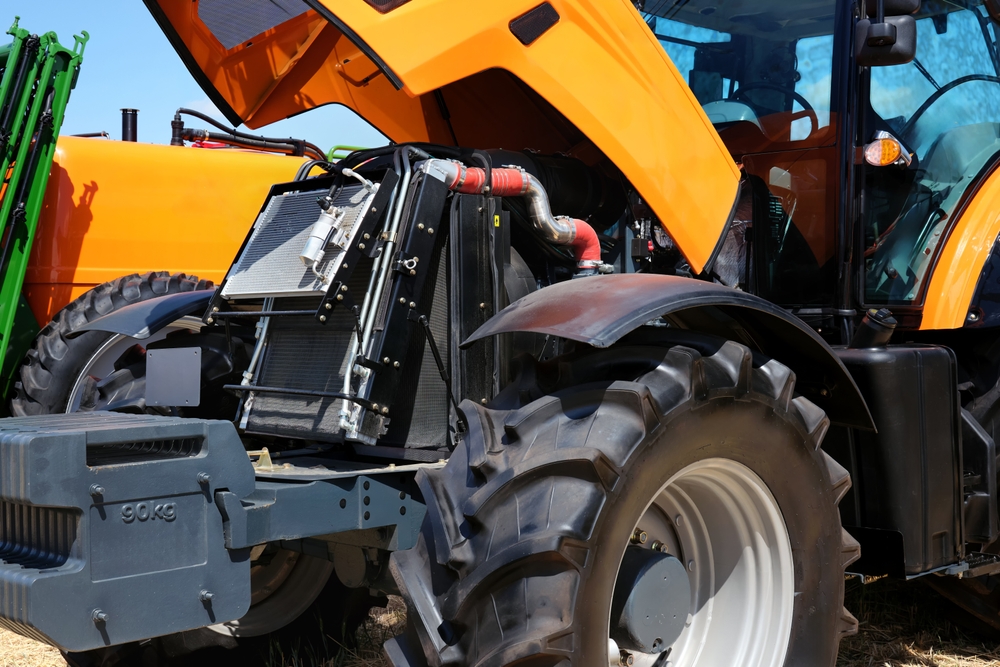
Around Lexington, a tractor is more than another piece of equipment. It can be central to fieldwork, livestock operations, property maintenance, and the tight seasonal schedules that keep Morrow County farms moving. Dry conditions, dust, long operating hours, and changing temperatures can all make routine tractor maintenance especially valuable in this part of Eastern Oregon.
Quick answer: Maintaining your tractor for peak performance means checking fluids, filters, tires, cooling components, belts, hoses, batteries, and lubrication points on a consistent schedule. Operators around Lexington should pay particular attention to dust-related air restriction, cooling system cleanliness, fluid leaks, and wear that develops during long workdays. Following the manufacturer’s maintenance intervals and addressing small problems early can reduce unexpected downtime and help extend equipment life.
What local tractor owners should know
-
Dust and crop residue can collect quickly around air filters, radiators, screens, and other components during fieldwork.
-
Morrow County’s agricultural economy includes wheat, canola, cattle, dairy products, corn, potatoes, and other crops, making dependable equipment important across many types of operations.
-
Daily walk-around inspections can reveal leaking fluids, loose hardware, tire damage, worn hoses, and other problems before the tractor goes back to work.
-
Maintenance should follow the tractor manufacturer’s specifications because fluid types, service intervals, filter requirements, and procedures vary by model.
-
A tractor that suddenly runs hotter, loses power, produces unusual smoke, or develops new noises should be inspected rather than pushed through another long workday.
Why Does Tractor Maintenance Matter in Lexington, OR?
Tractor maintenance matters in Lexington because agricultural equipment operates in a dry, working landscape where dust, seasonal workloads, and long hours can accelerate wear and turn small mechanical issues into costly downtime. Preventive maintenance gives operators an opportunity to catch developing problems before they interfere with planting, field preparation, harvest, feeding, or other time-sensitive work.
Lexington sits in Morrow County, where agriculture is a major part of the economy. The Oregon Secretary of State describes the county as having more than one million acres of rolling plains and broad plateaus, with extensive wheat fields and cattle ranches through its central areas. Oregon State University Extension also identifies wheat, canola, cattle, dairy products, corn, potatoes, and other crops among the county’s agricultural industries.
That environment places real demands on tractors and other heavy equipment. A machine working near Lexington, Ione, or Heppner may spend hours around fine dust and crop residue, then sit through periods of seasonal inactivity.
Bailey Heavy Equipment Repair Inc serves equipment owners in Lexington, OR. We understand that maintenance is not simply about keeping a tractor looking clean. It is about identifying wear, protecting critical systems, and keeping equipment ready when there is work to do.
What Do Local Conditions Mean for Tractor Maintenance?
Local conditions mean tractor owners should make dust control, cooling-system cleanliness, lubrication, and regular inspections major maintenance priorities. Morrow County has a relatively dry climate, and tractors working across agricultural ground can encounter airborne dust and debris that affect filters, cooling components, moving parts, and visibility.
Public information from the Oregon Secretary of State lists agriculture among Morrow County’s major industries and reports annual precipitation of about 12.5 inches for the county. Oregon State University research also characterizes much of the inland Pacific Northwest wheat-growing region as semiarid, with relatively little effective summer rainfall.
For equipment owners, those conditions make cleanliness more than a cosmetic concern. Airflow restrictions around the radiator or air intake can affect performance, while accumulated debris deserves attention around hot components. Inspection frequency may need to increase during especially dusty or demanding periods.
How Does Poor Maintenance Affect Local Tractor Owners?
Poor tractor maintenance can lead to reduced performance, increased wear, unexpected downtime, and repair needs at exactly the wrong point in the agricultural season. Around Lexington, losing a machine during a narrow work window can create problems beyond the tractor itself because other jobs may depend on that equipment being available.
A clogged air filter can restrict airflow. Low or degraded fluids can reduce protection for mechanical components. Damaged hoses or belts can progress toward failure. A cooling system packed with debris may struggle to release heat effectively.
Routine inspections cannot prevent every breakdown, but they give operators a better chance of spotting visible or measurable problems before they become more disruptive.
What Are the Warning Signs Your Tractor Needs Attention?
A tractor needs closer inspection when it develops changes in temperature, power, sound, exhaust, fluid levels, starting behavior, or handling. Operators near Lexington should become familiar with how their machine normally starts, sounds, and performs so that new symptoms stand out quickly.
Watch for:
-
Engine temperature running higher than normal
-
New fluid spots or visible leaks beneath the tractor
-
Loss of power under a familiar workload
-
Unusual knocking, squealing, grinding, or rattling
-
Excessive or unusual exhaust smoke
-
Hard starting or repeated battery problems
-
Uneven tire wear, cracking, or incorrect pressure
-
Warning lights or gauges showing abnormal readings
Do not simply clear a warning or keep operating without understanding what caused it. The tractor’s operator manual should be the first reference for warning indicators and required service procedures.
When Should You Call a Tractor Repair Professional?
You should call a tractor repair professional when an inspection reveals a problem beyond routine owner maintenance, especially when it involves internal engine issues, hydraulics, electrical faults, overheating, drivetrain problems, or persistent leaks. Continuing to operate equipment with an unresolved mechanical problem can allow additional components to become damaged.
Owners can often handle basic tasks permitted by the manufacturer, such as checking fluid levels, inspecting tires, cleaning accessible debris, and visually examining belts and hoses.
Professional diagnosis becomes more appropriate when the source of a symptom is unclear or when repair requires specialized testing, tools, disassembly, or technical knowledge.
For farms between Lexington, Ione, and Heppner, making that decision early can be particularly useful when equipment is approaching a period of heavy use.
What Common Conditions Cause Tractor Problems in Morrow County?
Common tractor problems in Morrow County can develop from dust exposure, demanding operating schedules, heat, normal component wear, and maintenance that has been delayed between busy seasons. The exact cause of a malfunction must be diagnosed on the individual machine, but several conditions deserve regular attention.
1. Dust and debris buildup: Fine material can load filters and collect around radiator screens and cooling components.
2. Long operating periods: Extended work increases the importance of monitoring fluids, temperatures, lubrication points, and service intervals.
3. Aging belts and hoses: Heat cycles, vibration, age, and normal use can eventually produce cracking, hardening, or other deterioration.
4. Fluid leaks: Hydraulic, engine, coolant, transmission, or fuel leaks may start small but should not be ignored.
5. Seasonal storage: Equipment that sits for extended periods can develop battery, fuel, tire, corrosion, or fluid-related concerns depending on how it is stored and maintained.
How Can You Prevent Tractor Breakdowns?
You can reduce the risk of tractor breakdowns by combining daily inspections with manufacturer-specified scheduled maintenance and more frequent checks during dusty or intensive work. In the Lexington area, a simple pre-operation routine can be especially useful during periods when tractors are running day after day.
Before operation, check visible fluid levels and leaks, tire condition, hoses, belts, lights, and gauges as directed by the manufacturer. Inspect air intake and cooling areas for debris. Grease specified fittings at the required intervals and keep a written maintenance record.
Before a busy season, review upcoming service intervals rather than waiting until the tractor reaches them in the middle of fieldwork.
DIY maintenance should stop when the job requires procedures, lifting methods, diagnostics, or repairs you are not equipped to perform safely.
What Results Can You Expect From Regular Tractor Maintenance?
Regular tractor maintenance can help preserve dependable operation, identify wear earlier, maintain proper fluid and filtration conditions, and reduce preventable interruptions. It does not make a tractor immune to component failure, but it gives owners around Lexington a more systematic way to manage equipment condition.
Maintenance also establishes a useful history. Records showing oil changes, filter replacements, inspections, fluid service, and repairs can help owners track recurring problems and prepare for upcoming maintenance.
The goal is straightforward: know the condition of the machine instead of waiting for a breakdown to reveal it.
What Tractor Maintenance Mistakes Should You Avoid?
The biggest tractor maintenance mistakes are postponing service, ignoring small changes, using incorrect fluids or parts, and treating every tractor as though it has the same maintenance requirements. A better approach is to combine the manufacturer’s specifications with inspections based on actual working conditions.
Mistake: Waiting for a warning light before checking the tractor.
Consequence: Developing problems may go unnoticed between services.
Better approach: Perform routine walk-around inspections.
Mistake: Ignoring a small leak because the tractor still operates.
Consequence: Fluid loss or the underlying failure may worsen.
Better approach: Identify the source and repair it appropriately.
Mistake: Assuming a filter is fine because it has not reached a typical calendar interval.
Consequence: Dusty Lexington-area work may affect service needs.
Better approach: Follow manufacturer guidance and inspect according to operating conditions.
Mistake: Installing whatever fluid happens to be available.
Consequence: The product may not meet the tractor manufacturer’s specifications.
Better approach: Verify required specifications before adding or replacing fluids.
What Is a Common Tractor Maintenance Scenario Around Lexington?
A common local scenario is a tractor entering a heavy work period after months of lighter use and developing a problem that could have been noticed during a preseason inspection. This is an illustrative scenario, not a Bailey Heavy Equipment Repair Inc customer case study.
Imagine a tractor that starts and runs but has accumulated debris around the cooling system, an aging belt, and a small fluid seep. None seems urgent while the machine is parked.
Once longer workdays begin, heat and sustained operation put more demand on those systems. The operator may then notice elevated temperature, a worsening leak, or another symptom at a time when the tractor is needed most.
A preseason inspection creates an opportunity to find these issues earlier.
What Tractor Service Solutions Can Help?
Tractor service solutions should address the actual cause of the equipment problem, from routine maintenance needs to diagnosis and mechanical repair. The right service depends on the tractor, its operating hours, symptoms, maintenance history, and manufacturer requirements.
We can help equipment owners determine when a developing problem needs professional attention rather than another temporary workaround. If your tractor is leaking, overheating, losing power, making unfamiliar noises, or showing other mechanical concerns, arranging an inspection can help clarify the next step.
Is DIY Tractor Maintenance or Professional Service Better?
DIY tractor maintenance is appropriate for routine checks an owner can safely perform, while professional service is better for diagnosis, complex repairs, and work requiring specialized tools or technical procedures. Most Lexington equipment owners benefit from using both approaches rather than treating them as competing options.
Daily fluid checks, debris removal, tire inspections, and basic visual checks can help owners monitor their equipment closely. Professional service becomes valuable when symptoms require testing, repairs involve critical systems, or the correct cause is not obvious.
Always follow the tractor manufacturer’s safety and maintenance instructions regardless of who performs the work.
What Areas Around Lexington Have Similar Tractor Maintenance Needs?
Tractor owners throughout central Morrow County face many of the same equipment concerns because agriculture, dryland cropping, livestock operations, and dusty seasonal conditions extend well beyond Lexington. Nearby Ione and Heppner are part of the same broader agricultural region, while Boardman and Irrigon reflect the county’s more irrigated northern agricultural zone.
The Columbia River forms Morrow County’s northern boundary, while the Blue Mountains rise toward its southern end. That variation is one reason equipment maintenance should reflect where and how a tractor is actually being used.
What Can Happen If You Ignore Tractor Maintenance?
Ignoring tractor maintenance can allow minor wear, contamination, leaks, and cooling or filtration problems to develop into more disruptive repairs and downtime. For Lexington-area agricultural operations, the timing of that downtime can matter just as much as the repair itself.
A small problem noticed while equipment is parked may be easier to address than the same problem after it worsens during a demanding workday. Preventive maintenance is ultimately about reducing avoidable uncertainty.
Frequently Asked Questions About Tractor Maintenance in Lexington, OR
How often should I maintain my tractor in Lexington?
Your tractor should be maintained according to the manufacturer’s hour-based and calendar-based service schedule, with additional inspections when operating conditions are dusty or demanding. Lexington’s agricultural environment can expose equipment to significant dust and debris, so filters, radiator screens, fluid levels, and other accessible maintenance points may need frequent attention between scheduled services.
Does Morrow County dust affect tractor maintenance?
Yes, dusty working conditions can make filtration and cooling-system inspections particularly important for Morrow County tractors. Dust and crop residue may accumulate around air intake and cooling components during fieldwork. Check and service these areas according to the manufacturer’s instructions rather than assuming normal service intervals cover every operating condition.
What should I check on my tractor before a long workday near Lexington?
Before a long workday, inspect the tractor’s fluids, visible leaks, tires, belts, hoses, cooling areas, lights, gauges, and other pre-operation points specified in the operator manual. A short inspection before starting work near Lexington can reveal obvious changes that deserve attention before the tractor is placed under sustained load.
Should I clean my tractor’s radiator and screens more often during dusty Morrow County fieldwork?
Cooling-system screens and accessible radiator areas should be inspected regularly during dusty fieldwork and cleaned using the manufacturer’s recommended procedure when debris accumulates. Maintaining proper airflow is particularly relevant during hot, dry working conditions. Never perform cleaning around hot or moving components, and follow the equipment manufacturer’s safety instructions.
When should I stop operating a tractor that is overheating?
Stop and follow the manufacturer’s shutdown and troubleshooting instructions when the tractor reaches an unsafe temperature or displays an overheating warning. Continuing to push an overheating machine can increase the risk of damage. Never open a hot, pressurized cooling system. If the cause is unclear or recurring, professional diagnosis is appropriate.
Is preseason tractor maintenance worthwhile for farms near Ione and Heppner?
Yes, preseason maintenance can help identify wear and service needs before equipment enters a period of heavier use around Ione, Heppner, and Lexington. Check upcoming service intervals, batteries, tires, filters, fluids, belts, hoses, cooling components, and lubrication requirements so known maintenance is not unnecessarily postponed into a busy work window.
What fluids should I use in my tractor?
Use only fluids that meet the specifications listed by your tractor manufacturer for the exact machine and system being serviced. Engine oil, coolant, hydraulic fluid, transmission fluid, and other products are not universally interchangeable. Check the operator or service manual before topping off or replacing any fluid.
Can Bailey Heavy Equipment Repair Inc help with tractor problems around Lexington?
Bailey Heavy Equipment Repair Inc can be contacted to discuss tractor or heavy equipment repair needs in Lexington, OR. If you are dealing with overheating, leaks, unusual noises, performance changes, or another mechanical concern, we can help determine an appropriate next step based on the equipment and symptoms involved.
Keep Your Tractor Ready for Work in Lexington, OR
Regular maintenance gives tractor owners a practical way to manage wear before it becomes unexpected downtime. In a Morrow County agricultural environment shaped by dry conditions, dust, wheat fields, livestock operations, and demanding seasonal schedules, paying attention to your equipment can make a meaningful difference.
Keep Your Equipment Ready When the Work Cannot Wait
We focus on helping local equipment owners address mechanical concerns and keep essential machinery working as intended.