The Spring Slog: Protecting Your Undercarriage in Morrow County’s Muddy Fields
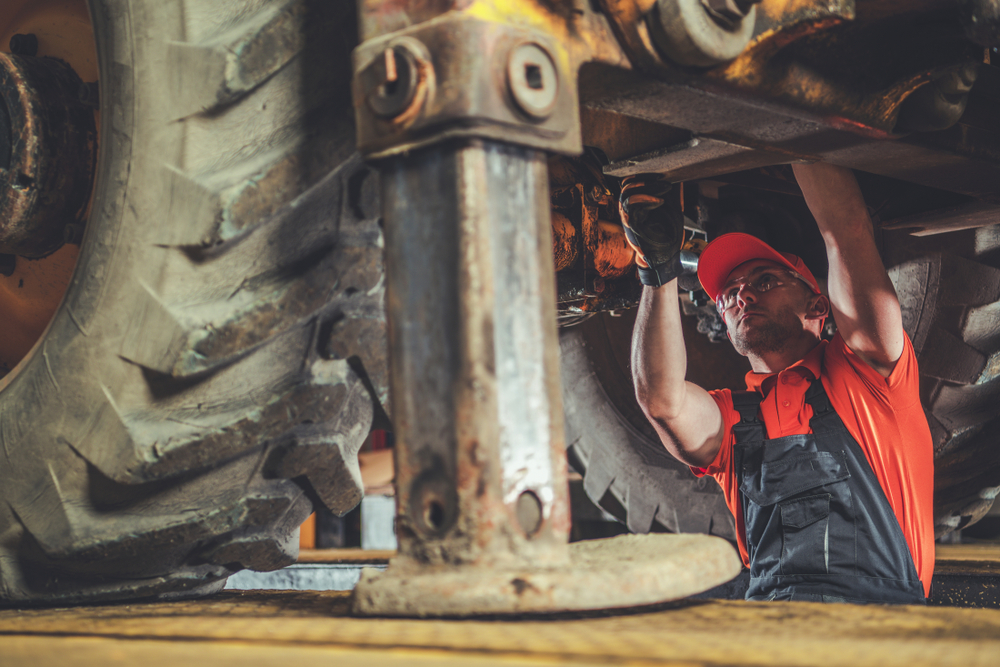
Spring in Morrow County, Oregon, is known for its relentless rain and muddy fields. While the season brings life to Lexington’s rolling farmland, it also spells trouble for the heavy equipment that keeps agriculture and construction moving. Operators know too well how quickly the wet season can wear down their machinery, especially the undercarriage components. From deep ruts to sticky clay that clings to every moving part, spring mud is more than a nuisance; it is a direct threat to machine performance and longevity.
The combination of moisture, grit, and repeated exposure to harsh terrain makes spring an unforgiving time for tracked vehicles and other heavy-duty machines. To minimize downtime and repair costs, a focused approach to undercarriage maintenance is critical. Whether you are running compact track loaders, bulldozers, or excavators, your bottom line depends on proactive care.
Why Spring Mud Is Especially Hard on Undercarriages
Lexington, OR, experiences variable spring weather that saturates fields quickly. When heavy machinery rolls through these conditions, the mud does more than just cake onto surfaces. It infiltrates moving parts, accelerates wear, and creates pressure points that can cause premature failures. In particular, the abrasive combination of clay and silt acts like sandpaper against rollers, idlers, sprockets, and track chains. Over time, this erodes essential components and leads to costly downtime.
Compounding the issue is the sheer weight and torque involved with most heavy machinery. With each pass through the mud, tracks sink and twist, placing added stress on the drivetrain and undercarriage. Without timely inspection and service, this results in avoidable damage and more frequent heavy equipment drivetrain repair.
Key Strategies for Undercarriage Maintenance
Effective undercarriage maintenance in the spring hinges on daily vigilance. Cleaning the tracks at the end of every shift may seem tedious, but it prevents soil from hardening overnight and causing strain during startup. When packed mud is left unaddressed, it puts tension on the system and misaligns critical parts.
Operators should make a habit of walking around their machines at the start and end of each day. Checking for uneven track wear, damaged rollers, or signs of loose hardware can reveal early indicators of trouble. Also, waterlogged fields mean bearings and seals are constantly under threat. Daily checks and consistent bearing lubrication help defend against corrosion and grinding.
Preventive maintenance is more than just protecting equipment; it preserves productivity. Each hour spent addressing undercarriage issues now can save days of lost time during peak operational periods. Ensuring components are lubricated, properly adjusted, and free of buildup will keep your machines pushing through mud, not getting buried by it.
Final Drive Seal Replacement: Catching Leaks Early
Final drives are critical for machine mobility, and their seals take a beating during spring. Once water or grit gets past a compromised seal, internal components are exposed to contamination. This causes fluid degradation, bearing failure, and ultimately immobilization.
In the muddy terrain of Lexington, OR, seals wear down faster due to constant exposure. Early signs of trouble include oil streaks on the track or puddles under parked equipment. Catching these symptoms quickly allows for timely final drive seal replacement before internal damage spreads.
Waiting until a final drive completely fails means extensive repairs or even total replacement. The cost of the parts, labor, and downtime far exceeds the price of replacing a $100 seal in the early stages. Establishing a seasonal inspection schedule ensures that your final drives remain sealed tight and ready to power through the spring slog.
The Importance of Track Tension Adjustment
One of the most overlooked yet vital parts of undercarriage care is track tension adjustment. Muddy conditions can trick operators into tightening tracks too much in an attempt to gain traction. However, over-tensioning leads to accelerated wear on bushings and sprockets, and increases the load on the hydraulic system.
Loose tracks, on the other hand, can derail or cause uneven pressure along the undercarriage. Finding the correct tension is a matter of balance and depends on the machine type, field conditions, and usage patterns. Regular inspection helps determine when adjustments are needed.
Track tension should be checked every few days during the spring season, especially after operating in deep mud or climbing out of ruts. The mud itself can mask tension issues until a breakdown occurs. By keeping a close eye on sag measurements and making timely adjustments, operators can extend the lifespan of their undercarriage and avoid more severe drivetrain repairs.
Don’t Overlook Hydraulic Hose Inspections
While most focus during the spring goes to tracks and rollers, hydraulic systems are equally at risk. Muddy water acts as a solvent that eats away at protective coverings, exposing hoses to wear. Abrasive material caught in joints can also cause slow leaks that go unnoticed until system pressure drops.
Routine hydraulic hose inspections are essential, especially in high-contact areas like swing arms and blade controls. Look for cracking, swelling, or signs of oil seepage. Any compromise in hydraulic integrity can cripple machine functionality, making this step just as vital as mechanical inspections.
In Lexington, where spring schedules are tight and deadlines are firm, unexpected hydraulic failures can cause significant delays. Including hose inspections as part of a standard maintenance checklist ensures that every part of your system is battle-ready for spring’s worst conditions.
Conclusion
Surviving the spring slog in Morrow County is not just about horsepower; it’s about preparation and attention to detail. Mud may be a seasonal challenge, but it does not have to become a seasonal crisis. By committing to a consistent undercarriage maintenance routine, operators can avoid expensive heavy equipment drivetrain repair and keep projects moving.
Focus on bearing lubrication, stay alert to the need for final drive seal replacement, and don’t ignore the role of regular track tension adjustment. Add hydraulic hose inspections into your checklist, and you’ll be covering all critical angles.
Lexington, OR’s muddy fields might test your equipment, but with the right care, they won’t break it. Keep your machines clean, lubricated, and inspected. Your undercarriage will thank you with longer service life and fewer repair bills, ensuring your season gets off to a productive start.