Off-Season Overhauls: Getting Your Tractors and Combines Ready for 2026
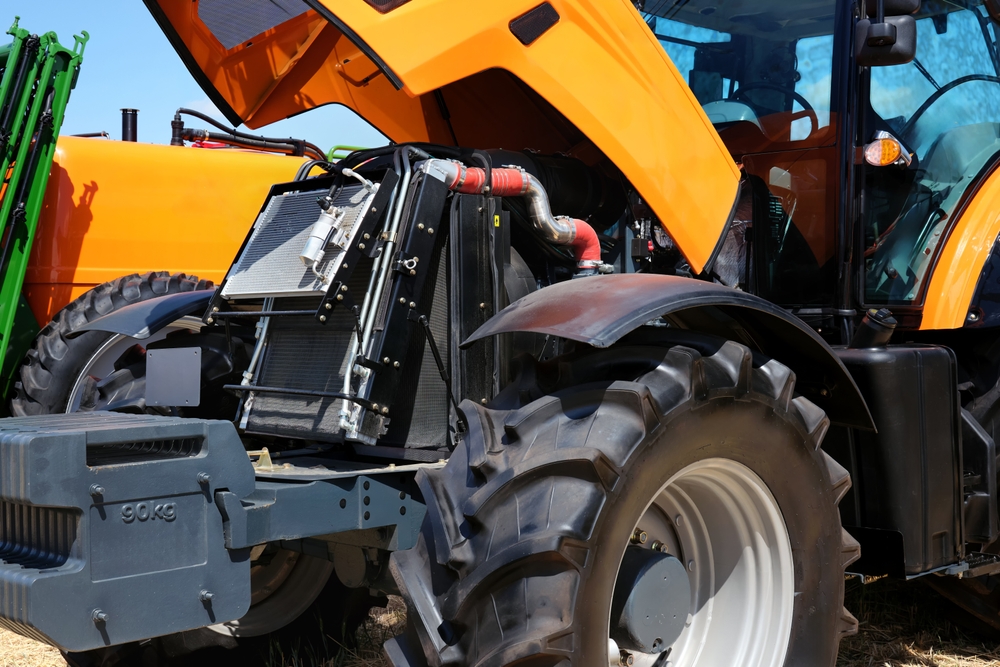
Preparing agricultural equipment during the off-season is one of the most critical yet often overlooked aspects of a successful farming operation. In Lexington, OR and across Morrow County, winter offers a strategic pause that savvy farmers use to perform essential maintenance and ensure that their equipment is field-ready when the season turns. Whether you’re dealing with a fleet of tractors or a single combine, now is the time to tackle those heavy equipment repair tasks that can sideline operations if ignored. From tractor engine overhauls to hydraulic system inspections and complete combine harvester winterization, a proactive approach now will save you time, money, and stress in 2026.
The Importance of Off-Season Maintenance in Morrow County
Agricultural machinery maintenance is a cornerstone of reliable performance and operational efficiency. In a region like Morrow County, where farming is not only a tradition but an economic backbone, keeping tractors and combines in peak condition is essential. The off-season is ideal for a comprehensive inspection and overhaul process because it allows enough downtime to address both visible wear and hidden issues without the pressure of upcoming fieldwork.
Farmers in Lexington, OR understand that skipping or postponing repairs can lead to significant breakdowns during harvest or planting, when timing is everything. The cost of emergency repairs, equipment rentals, or lost crop yields can quickly outweigh the price of preventative work. Using the winter months to carry out thorough inspections, schedule heavy equipment repair, and replace aging parts ensures that your agricultural operations start strong in the new year.
Tractor Engine Overhauls: Breathing New Life into Vital Equipment
The engine is the heart of any tractor, and ensuring it runs efficiently is key to avoiding downtime during peak seasons. A tractor engine overhaul during the off-season can extend the life of your machine and boost performance, even in older models. Overhauling the engine involves more than just replacing a few worn-out parts. It often includes disassembly, inspection of all internal components, cleaning, reconditioning or replacing pistons, bearings, cylinder heads, and rings, as well as recalibrating timing and fuel systems.
In Lexington, OR, where the agricultural landscape demands power and reliability, a tractor engine overhaul is not just a repair task; it’s an investment in productivity. Farmers who tackle engine issues in winter eliminate the risk of overheating, power loss, and inefficient fuel use during the growing season. Moreover, working with experienced professionals in heavy equipment repair ensures that OEM specifications are met and your machinery is restored to optimal condition.
Off-season engine overhauls also offer an opportunity to integrate newer technology, such as emission-compliant parts or fuel-efficient upgrades. With emissions regulations and fuel costs becoming increasingly important, modernizing your tractor’s engine can provide long-term economic and environmental benefits.
Hydraulic System Inspection: Prevent Failures Before They Start
Hydraulic systems play a crucial role in tractors and combines, controlling everything from lifting mechanisms to steering and braking. During the hustle of planting or harvest, a small hydraulic leak can evolve into a catastrophic failure. Off-season inspection of these systems is a vital component of any agricultural machinery maintenance program.
In Morrow County, where climate shifts and heavy workloads place immense pressure on machinery, inspecting hoses, cylinders, pumps, valves, and reservoirs should be a top priority. A hydraulic system inspection should begin with checking fluid levels and assessing fluid quality, looking for signs of contamination or degradation. From there, attention should shift to seals and connectors, which often suffer wear from vibration, pressure surges, or exposure to heat and cold.
Hydraulic components should be cleaned and tested under load to verify operational pressure and identify any slow leaks or declining performance. Replacing worn parts now avoids unexpected shutdowns later. For farmers who work with complex attachments or precision tools that rely on hydraulic power, maintaining this system in the off-season can be the difference between seamless functionality and a season filled with costly delays.
Combine Harvester Winterization: Protecting Your Harvest Investment
Winterization of combine harvesters is an extensive but essential process. These machines represent a significant investment, and without proper care during the off-season, they can deteriorate rapidly. Farmers in Lexington, OR who prioritize winterization are taking the necessary steps to protect their equipment from corrosion, moisture damage, and component fatigue.
Combine harvester winterization begins with a thorough cleaning. Residue from corn, wheat, or other crops can attract rodents and hold moisture that promotes rust. Removing this debris from headers, sieves, augers, and grain tanks is the first line of defense. Once clean, the machine should be inspected for worn belts, chains, and bearings. These parts should be lubricated or replaced as necessary.
Fluids should be drained or treated to prevent freezing, and batteries must be disconnected or stored in a controlled environment. Electronics, sensors, and software should also be checked and updated. In Morrow County, where winter temperatures can fluctuate and cause condensation, properly sealing and storing your combine can dramatically reduce repair needs in the spring.
Special attention should also be given to tire pressure and alignment. Cold weather can alter tire integrity, and a pre-storage adjustment can prevent uneven wear and damage. By treating your combine to a full winterization routine, you extend its lifespan and ensure it is ready to deliver peak performance when it matters most.
Partnering with Local Experts in Lexington, OR
While many farmers are experienced mechanics, some tasks are best left to professionals with specialized tools, diagnostic equipment, and manufacturer training. In Lexington and surrounding areas of Morrow County, local heavy equipment repair services are available to support off-season overhauls. Building a relationship with a trusted technician or service provider can save you time and money, especially when dealing with intricate systems like advanced engines or electronic diagnostics.
Local shops often stock OEM parts and offer scheduled maintenance plans that take the guesswork out of managing your fleet. They may also provide service documentation that helps with resale value or warranty claims. With the farming season demanding all your attention come spring, outsourcing complex repairs or inspections during winter ensures you stay ahead of problems.
Furthermore, local service providers understand the unique environmental conditions in Morrow County. They can recommend maintenance practices tailored to soil conditions, crop choices, and workload intensity, giving you a strategic advantage in preparing your machines for the rigors of the upcoming season.
Conclusion
Off-season overhauls are not just about fixing what’s broken; they’re about preparing your farm’s backbone for another year of productivity. Whether it’s a comprehensive tractor engine overhaul, a detailed hydraulic system inspection, or meticulous combine harvester winterization, every action taken during the quiet months lays the groundwork for a smooth and efficient 2026.
Farmers in Lexington, OR and across Morrow County know that agricultural success is built on planning, precision, and preparation. Don’t let next season’s challenges catch you off guard. Take the time now to service, inspect, and upgrade your equipment. Partner with local experts, invest in preventive maintenance, and give your machines the care they need to power through the coming year. Your fields, your finances, and your future harvests will thank you.