
Tips for Extending the Lifespan of Your Tractor or Truck’s AC Compressor
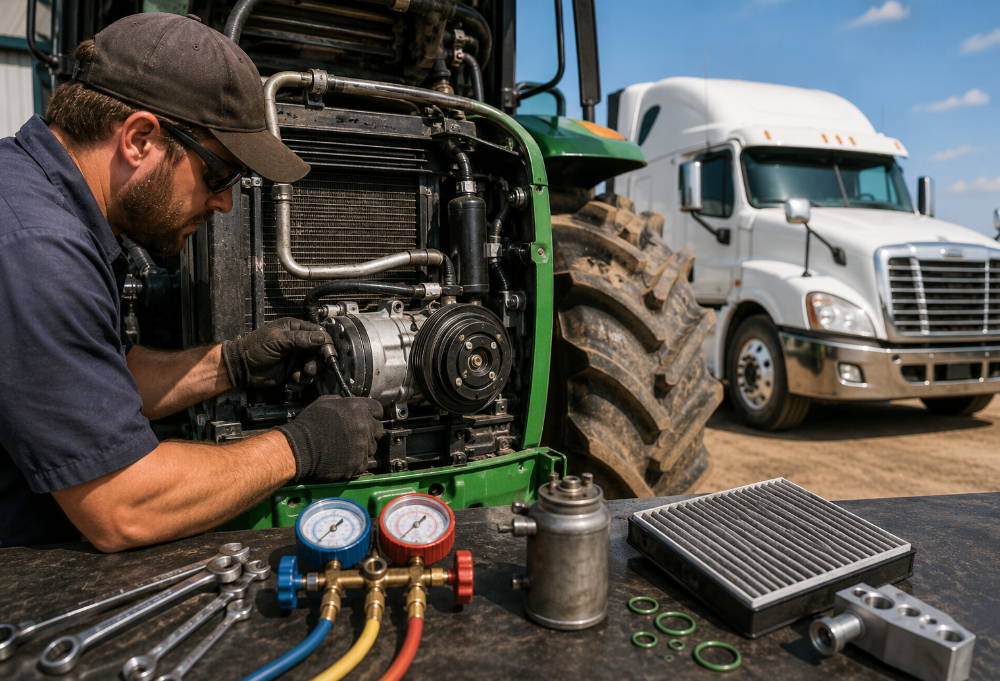
Whether you are hauling freight across the highway or running field operations under the summer sun, a reliable tractor air conditioner or truck AC system is not just a comfort feature; it is a necessity. The AC compressor sits at the heart of that system, and when it fails, the repair bills can be significant. The good news is that with the right habits and a little consistent attention, you can extend the life of your compressor considerably and avoid unexpected downtime.
How the AC Compressor Works
Before diving into maintenance tips, it helps to understand what the AC compressor actually does. The compressor is the pump that pressurizes the refrigerant and circulates it through the system. It takes low-pressure refrigerant gas from the evaporator and compresses it into a high-pressure, high-temperature gas that then moves to the condenser to release heat. From there, the refrigerant cools and returns to a liquid state before cycling back through the system again.
In a tractor air conditioner setup, the compressor is typically belt-driven off the engine and must handle the added stress of rough terrain, vibration, and extreme outdoor temperatures. In trucks, it faces similar demands from long haul routes, idling in traffic, and temperature swings between regions. All of this wear adds up quickly if the system is not maintained properly. Understanding the pressure and lubrication demands on the compressor gives you a better appreciation for why routine care matters so much.
Keep the Refrigerant Level Properly Charged
One of the most common causes of premature compressor failure is operating the system with low refrigerant. The refrigerant in your AC system does two things: it carries heat out of the cab and it carries lubricating oil throughout the system to keep the compressor internals running smoothly. When refrigerant levels drop, the compressor runs hot and dry, which accelerates wear on the internal components.
Refrigerant levels should be checked at the start of each warm season, especially in tractors and heavy trucks that sit through a cold off-season. If your system seems to be cooling less effectively than it used to, or if it cycles on and off rapidly, low refrigerant may be the issue. Never simply add refrigerant on top of a depleted charge without checking for leaks first. Adding more refrigerant to a leaking system is a temporary fix that can mask a larger problem and lead to bigger damage later. Have a certified technician find and repair any leaks before recharging the system to the correct specification.
Run the AC Regularly, Even in Cooler Months
Many tractor and truck operators make the mistake of shutting the air conditioner off completely during fall and winter months. While this seems logical since you do not need cooling, it can actually shorten the life of your compressor. The seals inside the compressor rely on refrigerant oil to stay lubricated and pliable. When the system sits idle for months at a time, seals can dry out, crack, and begin to leak once the warm season returns.
To prevent this, run your tractor air conditioner or truck AC for at least ten to fifteen minutes once a week, even when the weather is cool. You can do this by running the defrost setting, which typically engages the AC compressor to remove moisture from the air and prevent fogging. This brief run cycle keeps oil circulating through the system and helps seals stay conditioned. It is a simple habit that takes almost no effort and can add years of life to your compressor.
Inspect and Maintain the Belt, Clutch, and Condenser
The compressor does not work alone. Several components feed directly into its performance and longevity. The drive belt, the compressor clutch, and the condenser are three areas that deserve regular attention, especially in work vehicles like tractors and commercial trucks.
The drive belt should be checked for cracks, fraying, or glazing at every major service interval. A slipping or failing belt puts extra strain on the compressor and can cause it to run inconsistently, which increases internal wear. Belt tension should also be within the manufacturer’s specification, since an overly tight belt can damage the compressor’s front bearing.
The compressor clutch engages and disengages the compressor from the engine drive. If the clutch gap is out of specification, it can slip during operation, create heat, and eventually fail. A worn clutch can also cause the compressor to receive intermittent power, which causes rough cycling that stresses internal components. Inspect the clutch visually for signs of wear, and check the gap with a feeler gauge according to your service manual.
The condenser is the component responsible for releasing heat from the refrigerant before it cycles back through the system. In tractors especially, the condenser fins are exposed to dust, chaff, crop debris, and insects. A clogged condenser forces the system to operate at higher pressures, which puts excessive load on the compressor. Make cleaning the condenser part of your regular maintenance routine. Use low-pressure air or a gentle stream of water to clear debris from the fins, being careful not to bend them.
Use Quality Parts and Follow Service Intervals
When any component in the AC system needs to be replaced, the quality of parts you choose has a direct impact on how long the compressor lasts. This is particularly true for the receiver-drier or accumulator, the expansion valve, and the O-rings and fittings that seal the system. These components play supporting roles, but when they fail or perform poorly, the consequences often show up at the compressor.
The receiver-drier contains a desiccant material that absorbs moisture from the refrigerant. Moisture in an AC system is extremely damaging because it can mix with refrigerant to form acids that corrode the compressor from the inside. The receiver-drier has a limited service life and should be replaced any time the system is opened for service, or at least every few years depending on your operating environment. In dusty agricultural environments where a tractor air conditioner works overtime, replacing it on the more frequent end of that range is wise.
Using quality refrigerant oil when servicing the system is equally important. Not all compressor oils are compatible with all refrigerant types, so confirm that you are using the correct specification for your system. Mixing incompatible oils can reduce lubrication effectiveness and create chemical reactions that damage the compressor.
Sticking to a consistent service schedule is the backbone of compressor longevity. Many operators only address the AC system when something goes wrong, but proactive service intervals allow small issues to be caught before they become expensive failures. Work with a technician who is experienced with heavy equipment and commercial vehicles to build a service schedule that fits your usage patterns and the climate in your region.
Conclusion
Your AC compressor is one of the hardest-working parts of your tractor or truck, and it deserves consistent care. By keeping the refrigerant properly charged, running the system year-round, maintaining supporting components, and following a regular service schedule with quality parts, you can significantly extend its lifespan. A well-maintained tractor air conditioner keeps you comfortable and productive through the hottest workdays, and it helps you avoid the cost and downtime of unexpected compressor failure. A little attention now goes a long way toward keeping cool season after season.